



Half Face Respirators
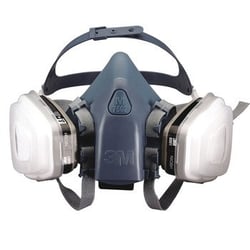

What Is a Half Face Respirator?
Half face respirators are a category of reusable personal protective equipment (PPE) designed to cover the nose and mouth, forming a tight seal against the lower portion of the face. This type of respirator covers the lower portion of the face, including the nose and mouth, and operates by drawing in ambient air through filters or cartridges that remove specific contaminants before the air is inhaled. Unlike simple disposable dust masks, half face respirators use replaceable filter cartridges and durable facepieces engineered for repeated, long-term use in demanding environments.
Why Half Face Respirators Matter for Maintenance Work
Whether you're painting a vehicle, sanding bodywork, working with chemical cleaners, or tackling any maintenance task that kicks up hazardous particles or fumes, respiratory protection is a critical line of defense. Respirators feature prominently in industries such as construction and manufacturing, where exposure to airborne dangers remains a constant concern — and activities like sanding, welding, and painting benefit significantly from the barrier these devices provide against harmful substances.
Unlike surgical or cloth masks that mainly filter airborne droplets, half face respirators offer a protective mechanism that filters specific contaminants before inhalation — and their protection exceeds that of typical masks because of their snug fit and efficient filter media used in cartridges.
Types of Filters and Cartridges
One of the defining advantages of a half face respirator is the ability to swap cartridges based on the specific hazard at hand. Half face respirators are equipped with replaceable filters or cartridges tailored to specific hazards: particulate filters protect against dust, fumes, and mists; gas and vapor cartridges are designed to filter out chemical gases and vapors; and combination cartridges offer protection against both particulates and gases/vapors. The selection of appropriate filters is critical and should align with the specific hazards present in the work environment.
Key Features to Look For
Not all half face respirators are created equal. When shopping for one, consider the following:
- Facepiece Material: The most popular facepiece materials are silicone, neoprene, and rubber. Rubber and neoprene are rigid, durable materials, while silicone is usually preferred for its comfort, flexibility, and ease in cleaning.
- Fit and Seal: Tight-fitting respirators must be fit-tested when use is required, and users must perform seal checks every time a tight-fitting negative pressure respirator is worn.
- Compatibility with Other PPE: Besides choosing equipment appropriate for the types and levels of hazards, it's important to consider compatibility with other required protective equipment such as safety glasses — glasses and half face respirators may compete for space on the bridge of the nose, making it vital to find equipment that fits together without causing leakage or loss of eye protection.
- Reusability and Maintenance: Unlike disposable masks, half face respirators are designed for multiple uses — with proper maintenance, including regular cleaning and timely replacement of filters, these respirators offer a cost-effective solution over time.
- Exhalation Valve: Look for models that include features such as downward exhalation valves and ergonomic fit for extended use.
NIOSH Standards and Compliance
Half face air purifying respirators should comply with relevant safety standards, such as those set by the National Institute for Occupational Safety and Health (NIOSH). Compliance ensures that the respirators have been tested and certified to provide the level of protection claimed by the manufacturer. When selecting a respirator for auto body work, paint booths, or garage maintenance, always verify it carries the appropriate NIOSH rating for your specific application.
Caring for Your Half Face Respirator
Proper upkeep extends the life of your respirator and keeps it performing at full effectiveness. Clean the facepiece after each use with mild detergent and warm water, replace filters or cartridges per the manufacturer's recommendations or when breathing becomes difficult, and store respirators in a clean, dry place away from direct sunlight and contaminants.