



Outboard Motor Locks
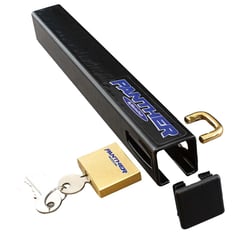

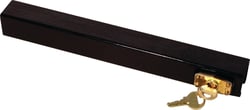

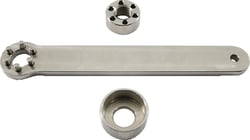


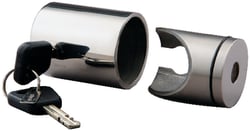
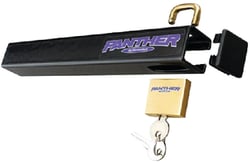
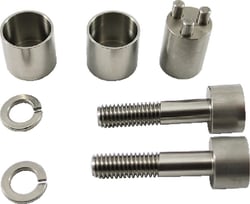
Panther 75-8620 Tamper-Resistant Lower Unit Lock Kit for Yamaha/Honda Twin Engine
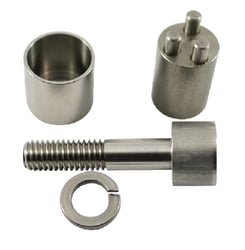
Panther 75-8610 Tamper-Resistant Lower Unit Lock Kit for Yamaha & Honda Single
CMP 758320 Panther Security Twin Engine Outboard Motor Lock for Mercury Verado & OptiMax

Why Every Boat Owner Needs an Outboard Motor Lock
Outboard motors are among the most targeted items in marine theft. Outboard motor locks are a critical layer of protection that every boat owner should consider. These engines are compact, high-value, and — in many cases — surprisingly easy to remove without proper security in place. A determined thief with basic hand tools can detach a clamp-mounted motor in minutes, which is exactly why a purpose-built lock is so important.
An outboard motor lock works by physically blocking access to the mounting hardware — whether that's the wing-nut-style turnbuckle clamps on smaller motors or the transom bolts on larger engines. By encasing or covering these attachment points, a good lock makes it impractical for a thief to remove the motor without specialized tools and significant time — a combination that deters most opportunistic theft.
What to Look for When Shopping Outboard Motor Locks
Not all locks are created equal, and selecting the right one depends on your motor style, where you store your boat, and how much security you need. Here are the key factors to consider:
- Motor Mount Type: Locks are designed for either turnbuckle/wing-screw-style clamps or bolt-on transom mounts. Make sure the lock you choose matches your engine's mounting system.
- Material: Marine environments are harsh. Look for locks constructed from marine-grade stainless steel or powder-coated carbon steel with corrosion-resistant hardware. Brass padlocks are a common and reliable choice for the locking cylinder itself.
- Anti-Drill and Anti-Pick Protection: Higher-end locks incorporate drill-resistant cores and non-duplicable keys, adding significant resistance against forced entry attempts.
- Noise Dampeners: Quality locks often include rubber or vinyl inserts that prevent rattling against the motor while underway — a practical feature that protects your transom hardware as well.
- HP Rating: Many locks specify a maximum horsepower or bolt diameter. Always check compatibility with your engine before purchasing.
Insurance Requirements and Outboard Motor Security
Beyond pure theft deterrence, there is a financial reason to invest in a proper lock. Many marine insurance carriers require a purpose-made outboard motor lock as a condition of coverage. Without one, a theft claim could be partially or entirely denied, leaving the boat owner responsible for a significant replacement cost. A motor lock is genuinely one of the smallest investments you can make relative to the asset it protects.
Top Brands in Outboard Motor Locks
Panther Marine Products is one of the most recognized names in outboard motor security. With decades of experience in marine accessories, Panther launched its dedicated Security Systems line in 2015, expanding to offer turnbuckle locks, transom bolt-style locks, and lower unit lock kits. Their high-security models are constructed from 316 marine-grade stainless steel with anti-theft drill protection and come with non-duplicable security keys — making them a strong choice for boaters who want serious peace of mind.
SeaSense offers a practical, accessible option for owners of dinghies and smaller outboards. Their outboard motor lock works with all wing-type screw-mounted engines, using an EDC-coated steel tube that slides over the mounting screws to render them completely inaccessible. A padlock fits inside the tube itself, making it difficult to attack with bolt cutters — an intelligent design that delivers solid everyday security at an approachable level.