



Outboard Motor Transom Pads/Support Plates



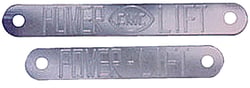
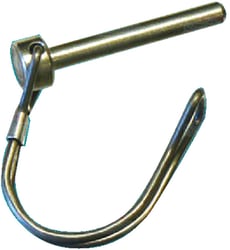
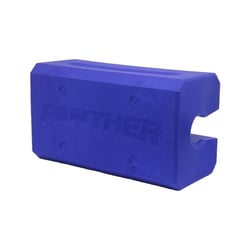

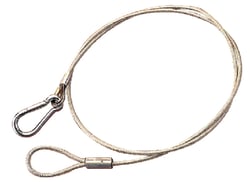

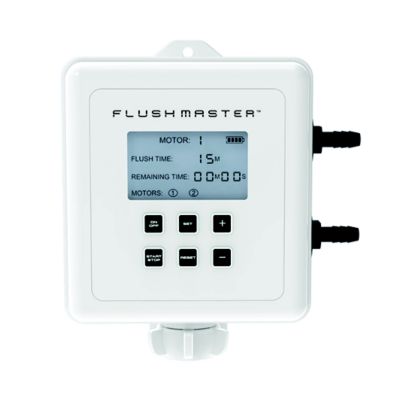 Representative Photo, actual item may vary
SeaMule SM-FM4009 Outboard Flushing System - 4 Outlet with Four 9' Hose Kits

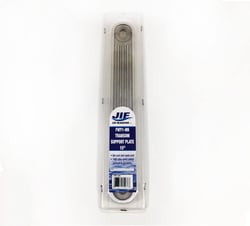

 Representative Photo, actual item may vary

What Are Outboard Motor Transom Pads and Support Plates?
The transom is the vertical structural panel at the stern of your boat — and it bears the full weight, thrust, and vibration of your outboard motor every time you hit the water. Over time, the concentrated stress from engine clamps, mounting bolts, and hard running can cause cracking, delamination, and permanent damage to this critical structure. Outboard motor transom pads and support plates are purpose-built components designed to intercept that punishment before it reaches your boat.
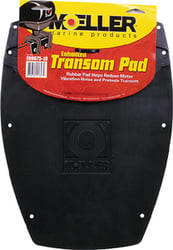
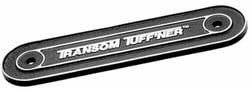
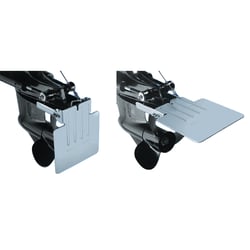
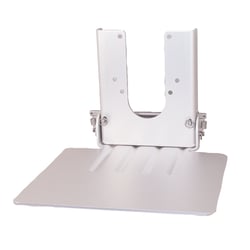
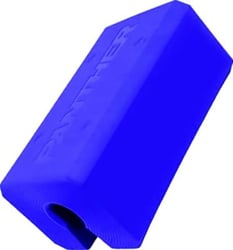
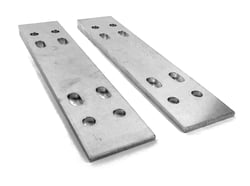
Transom pads and support plates come in two complementary forms. Rubber transom pads are placed between the engine's clamping brackets and the transom surface, cushioning vibration and preventing the clamps from biting into and marring the wood, fiberglass, or aluminum beneath them. Metal support plates — typically cast or machined aluminum — are mounted directly to the transom face and serve a different but equally important role: distributing the outboard's load over a much wider surface area so that no single bolt or pressure point concentrates stress.
These components matter regardless of your boat's age or the size of your motor. Support plates are especially valuable during aggressive use — fast starts, high-speed runs, and sharp turns all generate dynamic loads that can cause mounting hardware to "bite" into the transom material or, in severe cases, pull through entirely. A quality support plate spreads those forces across the full width of the plate, protecting both the transom and the engine mounting hardware for the long haul.
Key Considerations When Shopping
- Motor size and horsepower: Rubber pads are typically rated by horsepower range — always confirm compatibility before purchasing.
- Bolt pattern: Support plates must align with your outboard's standard bolt pattern (most commonly the BIA standard layout). Verify top-bolt and bottom-bolt configurations as needed.
- Material: Cast aluminum is common and lightweight, while machined cold-rolled steel or premium alloys offer enhanced rigidity for performance and high-HP applications.
- Corrosion resistance: Marine environments are harsh. Look for chromate-dipped, powder-coated, or alloy finishes that can hold up to salt spray and UV exposure.
- Rubber vs. plate: Many boaters use both — a rubber pad to dampen vibration and a metal plate to distribute structural load. The two products address different problems and work well in tandem.
Top Brands for Transom Pads and Support Plates
Moeller is a leading brand in this category for good reason. Moeller's rubber transom pads are crafted from oil- and weather-resistant rubber with tough, flexible motor clamp inserts that protect the transom and reduce motor vibration noise — fitting most outboards up to 25 HP.
Springfield Marine brings its signature Transom Tuff'ner™ support plate to the category, a product cast in Almag 35 aluminum for non-corrosive strength. It is engineered to evenly distribute forces generated during fast starts, high-speed runs, and sharp turns, adding real longevity to your transom.
Sea-Dog Line is a long-trusted name in marine hardware, and their transom support plates reflect the same durability-first philosophy that has made the brand a staple among commercial and recreational boaters alike.
Bob's Machine stands out for performance-focused boaters. Their transom backing plates are machined from cold-rolled plate — not cast — and are designed to work alongside jack plate installations to spread engine and plate loads across the maximum possible transom surface area.