



Packing Boxes, Shaft Seals & Accessories
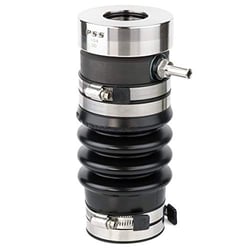

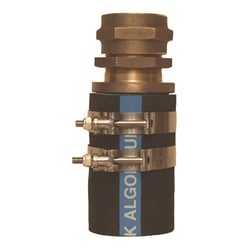

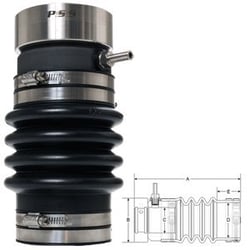

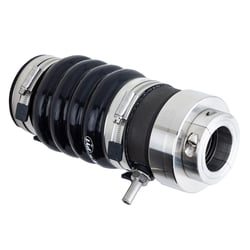
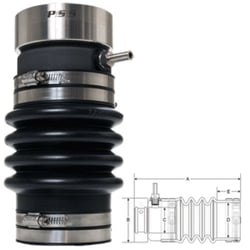
PSS Shaft Seal 02-200-314 Marine Mechanical Shaft Seal 2" Shaft 3-1/4" Tube

What Are Packing Boxes and Shaft Seals?
Every inboard-powered boat faces the same fundamental engineering challenge: the propeller shaft must pass through the hull to reach the propeller outside, yet water must be kept out. Packing boxes and shaft seals are the critical components that solve this problem. As one widely referenced marine guide explains, a stuffing box — also known as a packing gland or packing box — "forms a seal between the prop shaft and the hole in the hull through which the shaft passes while allowing the shaft to turn freely." Without a properly functioning shaft seal, even a small leak can lead to a persistently wet bilge, accelerated corrosion, and in serious cases, a risk to the vessel itself.
Traditional Stuffing Boxes: Proven, Adjustable Reliability
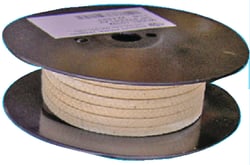
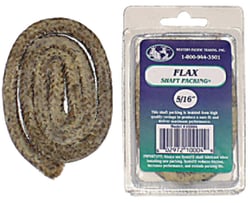
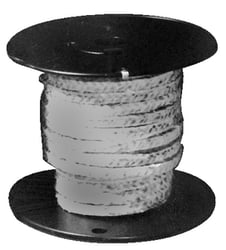
The stuffing box is one of the oldest and most proven sealing technologies in marine engineering. A traditional stuffing box consists of a threaded sleeve and hollow nut through which the propeller shaft passes. The nut is packed with rings of wax-impregnated material — historically flax — that compress around the shaft to form a nearly watertight seal. A small, controlled drip of water is intentional: it lubricates and cools the packing and shaft surface during operation.
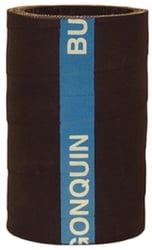
Packing materials have evolved considerably over the years. Options now include standard waxed flax, Teflon-impregnated flax for reduced friction, and fully synthetic moldable packing compounds that offer longer service life and lower maintenance demands. Most powerboats use a rigid stuffing box configuration, while sailboats more commonly rely on a flexible stuffing box design connected to the shaft log via a rubber hose.
One of the key advantages of traditional stuffing boxes is their field-serviceability. With a small amount of replacement packing on board, a competent boat owner can often repack the assembly without hauling the vessel. However, correct adjustment is essential: over-tightening the packing nut can score the shaft surface and compromise the seal permanently, while too loose an adjustment allows excessive water ingress.
Dripless Shaft Seals: The Modern Alternative
For boaters who want a dry bilge and less frequent hands-on maintenance, dripless shaft seals have become a popular upgrade. These systems replace traditional packing with mechanical sealing surfaces — typically a stationary carbon or graphite flange held against a rotating stainless steel rotor, with tension maintained by a flexible rubber bellows assembly. Dripless seals typically produce little to no water flow during normal operation, making them appealing for owners who dislike monitoring drip rates or adjusting packing nuts seasonally.
That said, dripless seals are not entirely maintenance-free. Periodic inspection of the bellows, hose clamps, and sealing faces is essential. Proper installation — including correct bellows compression and shaft alignment — is critical, as installation errors are among the leading causes of dripless seal failures. Self-aligning designs are also available, offering added tolerance for minor shaft misalignment without compromising the seal.
Key Accessories: Tools and Supporting Components
A properly functioning shaft seal system depends on more than just the packing box or seal itself. Supporting accessories play an important role in installation, maintenance, and long-term reliability:
- Packing extractor tools allow old, hardened packing material to be removed cleanly without damaging the shaft surface.
- Stuffing box wrenches are shaped specifically to grip packing nuts securely without rounding the edges — a common problem with general-purpose tools.
- Shaft seal repair kits bundle the replacement components most likely to wear, making them a smart item to keep aboard any dripless-equipped vessel.
- Shaft logs guide the propeller shaft through the hull at the correct angle and serve as the mounting point for the stuffing box or seal assembly.
What to Consider When Shopping
Selecting the right packing box or shaft seal starts with knowing your propeller shaft diameter and the outside diameter of your shaft tube or stern tube — sizing must be exact for a reliable seal. Beyond sizing, consider how accessible the stuffing box location is on your vessel: tight spaces may favor a gland-style stuffing box with studs over a nut-style design that requires two wrenches. Boaters who log high hours or venture offshore may prefer the proven field-repairability of a traditional stuffing box, while those seeking minimal bilge water and lower routine adjustment may find a dripless system better suited to their needs. Whatever system you choose, routine inspection remains the single most effective way to catch wear early and keep your drivetrain reliable season after season.