



Penetrating & Sealing Epoxies
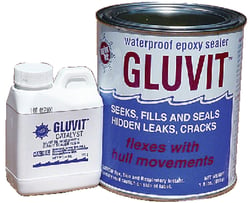

What Are Penetrating & Sealing Epoxies?
Penetrating and sealing epoxies are two-part adhesive systems composed of a resin and a hardener that chemically react when mixed, forming a waterproof, high-strength bond. Unlike standard household adhesives, marine-grade epoxies are specifically engineered to endure the punishing conditions found on the water — constant moisture, temperature swings, saltwater exposure, and UV radiation. Whether you own a fiberglass runabout, an aluminum fishing boat, or a road-traveling RV, these products are among the most versatile and dependable repair compounds available.
Why Penetrating & Sealing Epoxies Matter
Water is relentless. Over time, even small cracks, gaps, or porous surfaces on a boat hull, deck, or RV subfloor can allow moisture to infiltrate, leading to rot, delamination, and structural failure. Penetrating epoxies are uniquely formulated with a low viscosity that allows them to soak deep into wood fibers, stabilizing deteriorated or punky timber from the inside out. As one class of these products, penetrating epoxies act as consolidators — soaking into compromised material and hardening it — while sealing epoxy pastes and putties sit on or fill the surface to bond, rebuild, and waterproof damaged areas.
The range of applications is broad:
- Hull and deck repairs: Fill gouges, cracks, and voids in fiberglass or aluminum hulls and restore structural integrity.
- Wood preservation: Penetrate and harden soft, rotted wood in transoms, stringers, and RV subfloors to prevent further decay.
- Leak sealing: Patch fuel tanks, seal leaky rivets, and stop water intrusion around fittings and fasteners.
- Bonding dissimilar materials: Join wood, fiberglass, metal, ceramics, and plastics in a single durable repair.
- Emergency field repairs: Quick-cure formulas can get you back on the water or road without a trip to a boatyard.
What to Look for When Shopping
When selecting a penetrating or sealing epoxy, consider the substrate you're repairing (wood, fiberglass, aluminum), the working temperature range, and the product's pot life — the window of time you have to apply the mixed compound before it begins to cure. For structural repairs, look for formulas that can be sanded, drilled, and tapped after curing. For wood consolidation, a low-viscosity formula is key, as maximum penetration occurs when the product flows freely into the grain. Always ensure thorough surface preparation, as proper adhesion depends on a clean, contaminant-free substrate.
Top Brands in Penetrating & Sealing Epoxies
Marine Tex is the category leader and a name synonymous with marine epoxy repair. For over 40 years, Marine Tex has been the go-to solution for everything from patching damaged hulls and sealing leaky rivets to rebuilding engine components and restoring teak decks. Their product line covers both high-strength epoxy paste — which cures to a tough compound that can be sanded, drilled, and tapped — and waterproof epoxy sealers like the renowned Gluvit formula, designed to penetrate and seal porous or aging surfaces. Whether you're a first-time DIYer or a seasoned marine mechanic, Marine Tex offers a solution sized for the job, from compact 2 oz. kits to full gallon systems.