



Permanent/Below Deck Tanks

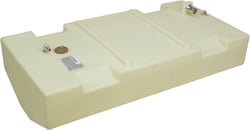


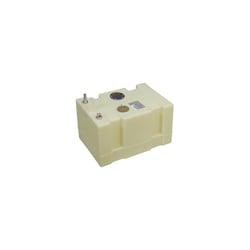

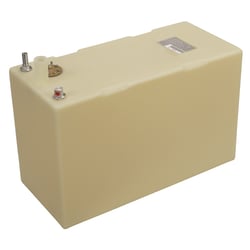
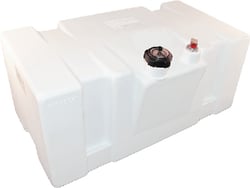
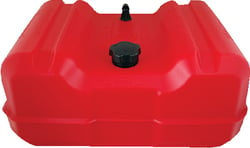
Moeller 031527BR 18 Gallon EPA Compliant Topside Fuel Tank for Boston Whaler Montauk
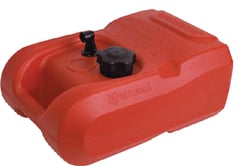

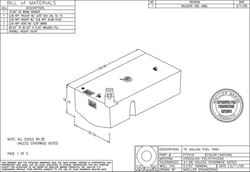
 Representative Photo, actual item may vary
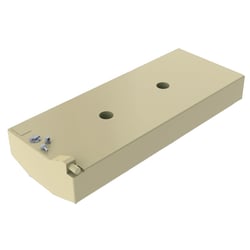
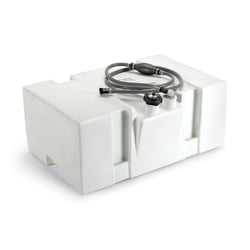
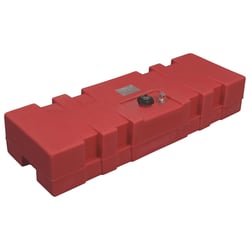
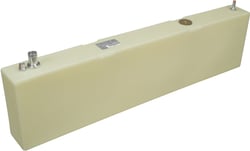
Moeller 031626BR Boston Whaler Center Console Auxiliary Fuel Tank EPA Compliant
 Representative Photo, actual item may vary
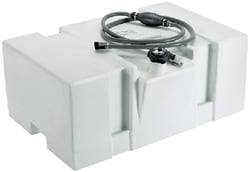
What Are Permanent Below Deck Fuel Tanks?
Permanent below deck fuel tanks are the backbone of a boat's fuel system. Unlike portable tanks that sit on deck and take up usable space, permanent marine fuel tanks are installed inside the hull and integrated directly into your vessel's fuel lines, vent system, and fuel sending unit for consistent, reliable performance. For any serious boater — whether you run a bass boat, a center console, a pontoon, or an offshore cruiser — a well-chosen, properly installed below deck tank is foundational to safety and range on the water.
Why Your Boat's Fuel Tank Matters
A failing fuel tank is more than an inconvenience — it's a safety hazard. Fuel odors inside the hull, visible corrosion, contaminated fuel, and recurring delivery problems are all warning signs that a tank may need replacement. Older vessels were frequently built with steel tanks that corroded from the inside out over time, leading to rust, sediment buildup, and clogged filters that hurt engine performance. Upgrading to a modern permanent tank restores the fuel system's integrity and gives you peace of mind every time you leave the dock.
Tank Materials: Polyethylene vs. Aluminum
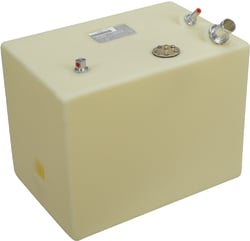
The two dominant materials in today's marine fuel tank market each have distinct strengths. Modern tanks are commonly constructed from cross-linked polyethylene, which resists corrosion, ethanol-related degradation, and cracking from vibration — a critical advantage in a marine environment. The rotationally molded manufacturing process creates a seamless, leak-proof structure that can be shaped to fit complex hull configurations that a rectangular aluminum tank simply cannot accommodate.
Aluminum tanks remain a proven option in many applications and can include internal baffles to reduce fuel slosh at speed. The key to aluminum longevity is proper installation: the tank must be elevated above the bilge floor to allow water to drain away freely, and only compatible, non-corrosive materials should contact the tank's surface to prevent galvanic corrosion.
How to Choose the Right Below Deck Tank
Selecting a replacement or upgrade tank requires careful attention to several factors:
- Capacity: Common sizes range from 12 to 82+ gallons. Match your original capacity or size up to extend your cruising range.
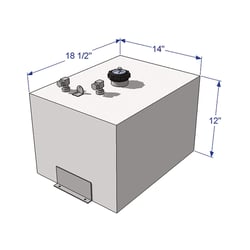
- Dimensions: Measure your available compartment precisely — length, width, and height — and account for extra clearance needed for fittings, which can add several inches to the tank's overall height.
- Fitting Locations: Pay close attention to fill, withdrawal, and vent fitting positions. The orientation of these fittings relative to your hull routing can determine whether a given tank will work in your specific application.
- Fuel Compatibility: Confirm the tank is rated for your fuel type — gasoline or diesel — and that it meets current ethanol-blend standards.
- Regulatory Compliance: Quality permanent marine fuel tanks should conform to ABYC, NMMA, and U.S. Coast Guard regulations to ensure safe below-deck installation.
Plan Your Full Fuel System Upgrade
Replacing a permanent below deck tank is the ideal time to inspect and refresh the entire fuel system. Consider replacing worn fuel lines and hoses, updating your deck fill cap to prevent water intrusion, and verifying that your fuel sending unit is compatible with your new tank for accurate gauge readings. A properly fitted permanent marine fuel tank supports consistent fuel delivery and long-term durability — giving you one less thing to worry about while you're out on the water.