



Quicksilver Propellers
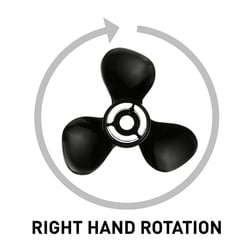

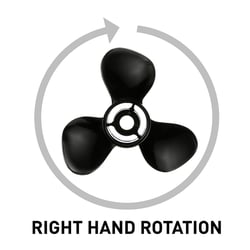
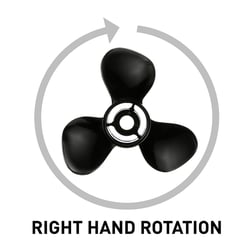
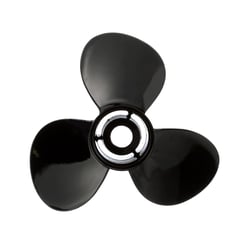
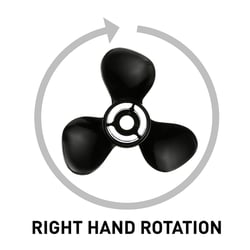
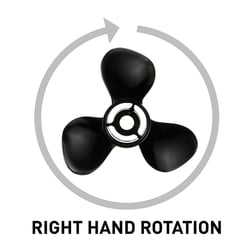
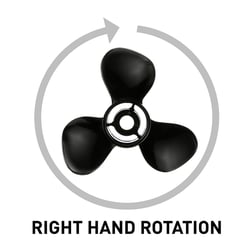
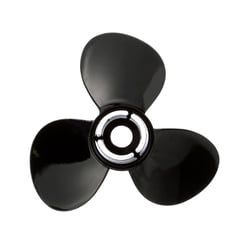
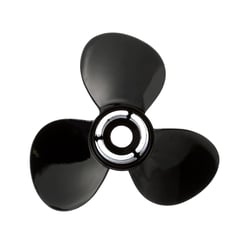
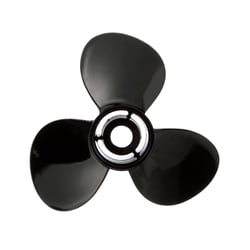
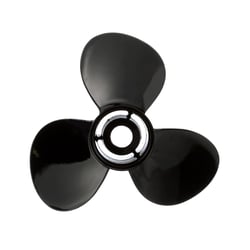
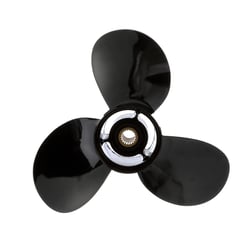
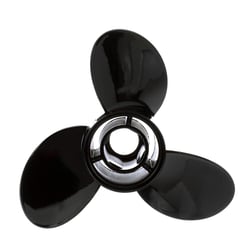
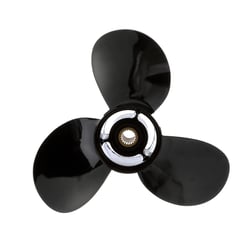
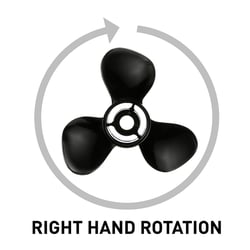
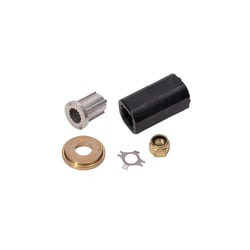
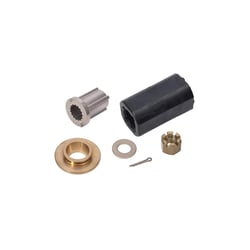
Quicksilver 835257Q1 Flo-Torq II Hub Kit for Mercury Mariner MerCruiser Outboard
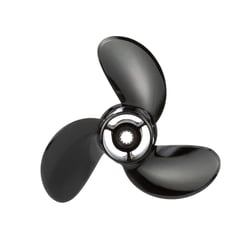
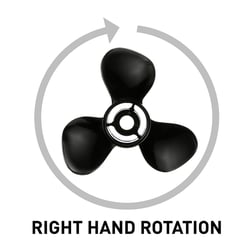
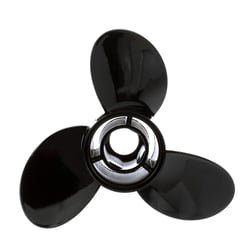
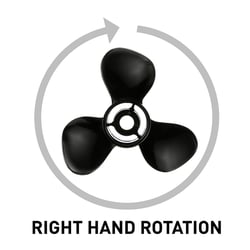
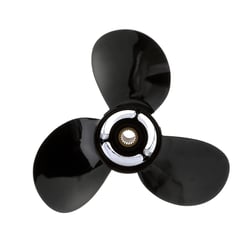
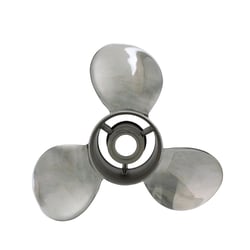
Quicksilver QS5056X Silverado 3-Blade Stainless Steel Propeller 13.8" x 21" RH
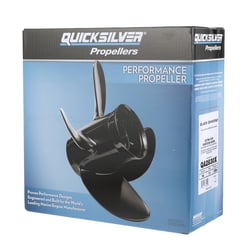
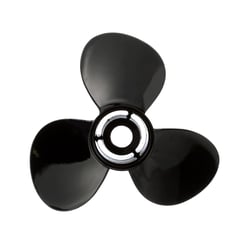
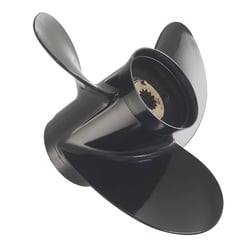
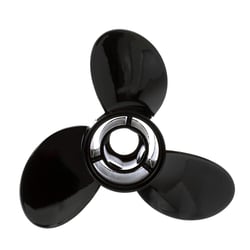
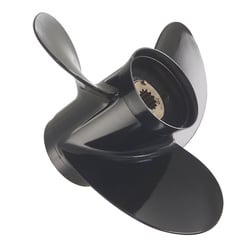
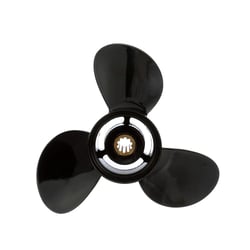
What Are Quicksilver Propellers?
The propeller is the critical link between your engine and the water — and choosing the right one can transform how your boat performs. Quicksilver propellers are engineered to cover a wide range of on-water applications, from recreational cruising and fishing to water sports and high-performance running. Whether your priority is getting out of the hole quickly, maximizing top-end speed, or stretching fuel economy across a long day on the water, there's a Quicksilver prop built for the task.
Quicksilver propellers are available for outboard motors and sterndrives across a broad range of horsepower ratings, making them a versatile solution for everything from small kicker motors to high-horsepower performance setups.
Key Specifications to Understand Before You Buy
Every propeller is defined by two primary measurements: diameter and pitch, always listed in that order. Propeller diameter is the distance across the circle traced by the blade tips as the prop rotates — larger diameter generally means more thrust, which suits heavier or slower-moving boats. Pitch is the theoretical distance the propeller would move forward in one full revolution; a higher pitch typically increases top speed but can reduce acceleration, while a lower pitch improves holeshot and pulling power.
Keeping your engine operating within its manufacturer-recommended wide-open throttle (WOT) RPM range is essential. Running outside that range — either under-revving or over-revving — can cause damage to internal engine components over time. As a general rule, each inch of change in pitch corresponds to roughly 150–200 RPM change at WOT, giving you a reliable starting point when fine-tuning your prop selection.
Aluminum vs. Stainless Steel
Quicksilver propellers are offered in both aluminum and stainless steel constructions, each with distinct advantages. Aluminum props are an accessible, cost-effective option well suited to general recreational use. Because aluminum is softer, these props can also act as a sacrificial component — bending before damage reaches the lower unit in the event of a strike.
Stainless steel propellers, on the other hand, feature thinner blades with less drag, greater rigidity, and improved resistance to flex under load. This translates to more precise power transfer and, in many cases, noticeable gains in speed and fuel efficiency. Boaters who run regularly, carry heavy loads, or frequently operate in challenging conditions often find that stainless steel pays for itself over time.
3-Blade vs. 4-Blade Props
Blade count is another important consideration. Three-blade designs are the standard for most recreational boats and generally excel at top-end speed and fuel efficiency at cruise. Four-blade propellers add grip and lift, making them a strong choice for boats that are difficult to get on plane, carry heavier loads, or are used for water sports where quick acceleration matters more than peak velocity. On loaded rigs or in choppy water, a four-blade can match or even exceed the overall performance of a three-blade design.
Hub Systems and Fitment
Many Quicksilver propellers use an interchangeable hub system, which allows a single prop to be fitted to multiple engine brands and gearcase configurations with the correct hub kit. Some models feature a pressed-in hub, while others require a separately purchased hub kit — always confirm compatibility with your specific engine make, model, and shaft spline count before ordering.
Matching the Right Prop to Your Boat
The best prop for your boat depends on your engine's horsepower, your hull type, your typical load, and how you use the water. A pontoon loaded with passengers and gear calls for a very different prop than a lightweight fishing skiff running light. Start by checking your engine's recommended WOT RPM range, then use your current prop's diameter and pitch as a baseline to dial in the upgrade that fits your goals — whether that's faster acceleration, higher top speed, or better fuel economy on long runs.