



Raymarine Transducers & Accessories
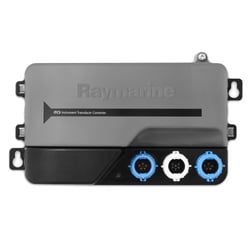

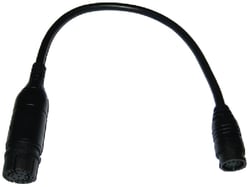
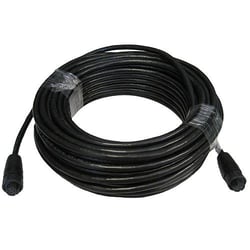
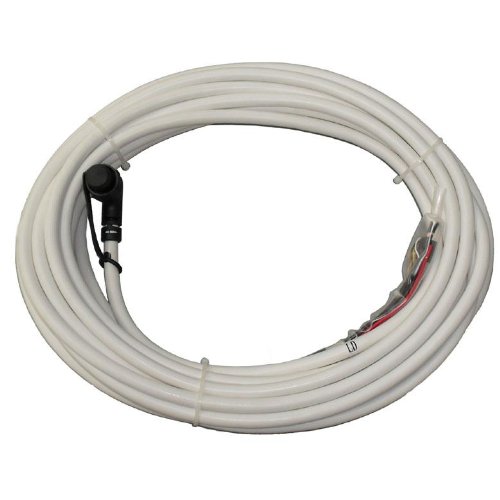 Representative Photo, actual item may vary
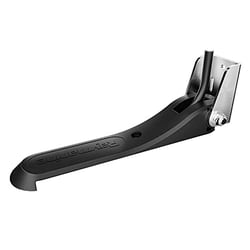
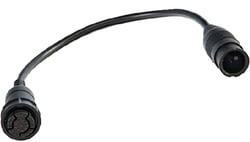
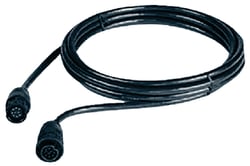
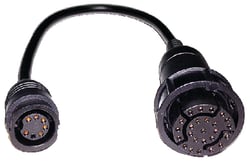
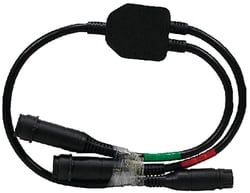
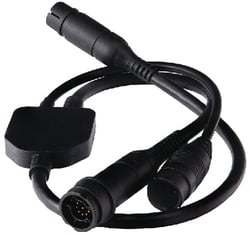
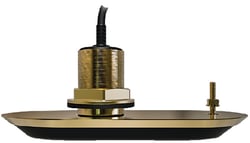
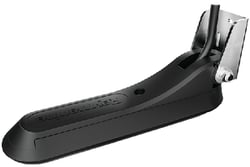
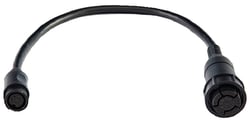
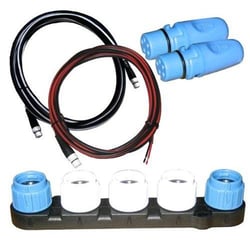
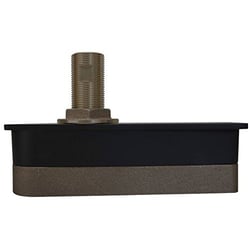
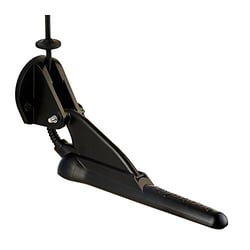
Raymarine A80350 CPT120 Thru-Hull CHIRP DownVision Transducer with Fairing Block
Understanding Marine Transducers & Why They Matter
Transducers are the heart of any sonar system. Raymarine transducers convert electrical pulses into acoustic energy — sound waves that travel into the water below your vessel. When those waves reflect off fish, structure, or the seabed and return as echoes, the sonar module converts them back into electrical signals, rendering a vivid picture of what lies beneath. Beyond fish-finding, transducers can record water depth, temperature, and boat speed, making them indispensable tools for both safety and performance on the water.
A Legacy Built on Sonar Innovation
Raymarine's roots in underwater acoustics run remarkably deep. The brand's heritage traces back to 1923, when the first commercial fathometer was introduced — a milestone that set the stage for over a century of marine electronics leadership. Today, as a division of Teledyne FLIR, Raymarine continues to push the boundaries of what's possible beneath the surface, offering transducer technology that pairs seamlessly with its Axiom chartplotter and sonar ecosystem.
Choosing the Right Transducer Mounting Style
One of the most important decisions when selecting a transducer is how it will be mounted. Raymarine offers options across all three major installation configurations:
- Transom Mount: Installed on the boat's transom, these are the most accessible option and are well-suited for planing hulls under 27 feet, including outboard and inboard-outboard powerboats. They are not ideal for large twin-screw inboards or sustained very high-speed operation.
- Thru-Hull: Mounted through a hole drilled in the hull bottom, thru-hull transducers offer direct water contact and generally deliver the best all-around sonar performance — favored by serious anglers and mariners who demand precision depth readings and crisp imaging.
- In-Hull (Shoot-Through): Epoxied to the inside of a solid fiberglass hull, in-hull transducers offer a non-invasive installation, though with some trade-off in maximum depth performance compared to wet-mounted designs.
Raymarine transducers are available in plastic composite, bronze, and stainless steel to suit practically any hull material, from fiberglass to wood to metal.
Advanced Sonar Technologies in Raymarine Transducers
Modern Raymarine transducers go far beyond simple depth sounding. The RealVision 3D lineup, for example, packs four sonar channels into a single unit — combining DownVision, SideVision, high-frequency CHIRP fish targeting, and RealVision 3D sonar in one transducer body. Many models include a built-in Attitude and Heading Reference System (AHRS) that stabilizes 3D sonar imagery in real time, automatically compensating for vessel motion caused by waves, swells, or hard maneuvering. Select models also integrate a fast-response water temperature sensor for immediate, accurate thermal readings alongside your sonar data.
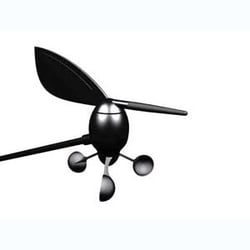
Raymarine's instrument transducers extend the ecosystem further still, feeding depth, speed, temperature, wind speed, wind angle, and rudder angle data directly to compatible i40, i50, i60, and i70 series marine instruments — giving you a complete, integrated picture of your vessel's environment from a single trusted source.
Compatibility and Accessories
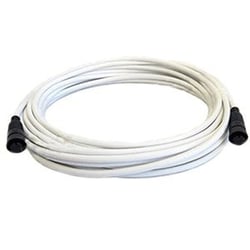
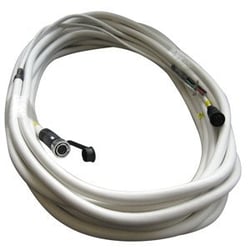
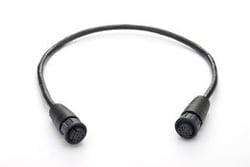
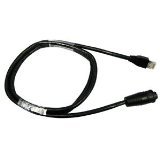
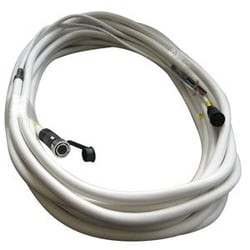
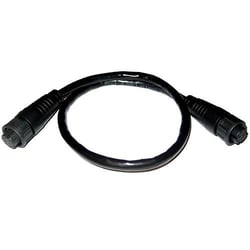
Every transducer in the Raymarine lineup is engineered to work natively with Raymarine's chartplotters, sonar modules, and instrument displays. Accessories — including mounting hardware, fairing blocks, conversion adapters, and protective covers — round out this category and ensure a clean, professional installation regardless of hull type or deadrise angle. Whether you're upgrading an existing Axiom system or building a new electronics suite from the keel up, Raymarine transducers and accessories provide a tightly integrated foundation for your sonar setup.