



Wind Speed Indicators
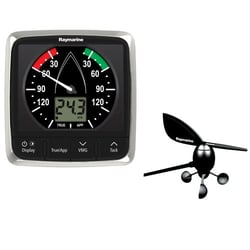

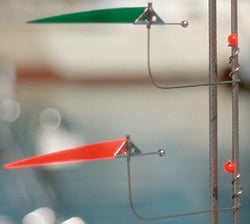

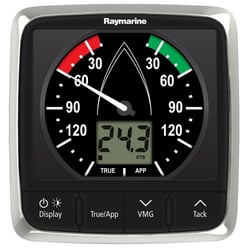
 Representative Photo, actual item may vary

 Representative Photo, actual item may vary
 Representative Photo, actual item may vary
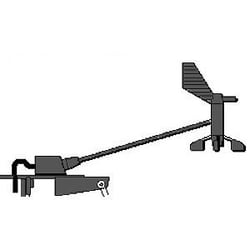
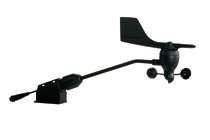

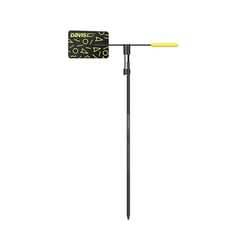
Davis Instruments 3180 Blacksmith Crazy Kids Fiberglass Wind Vane for Optimist Sailing Dinghies
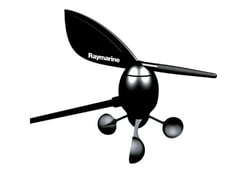
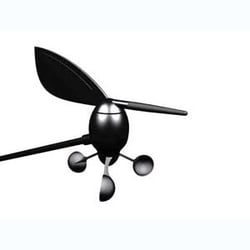
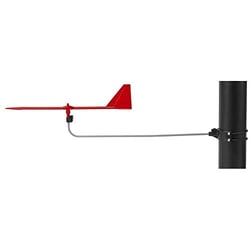
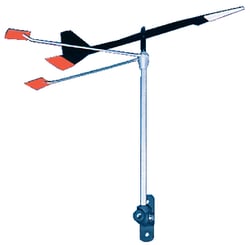
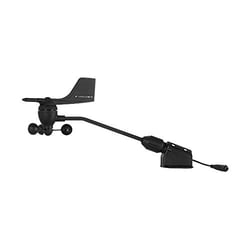
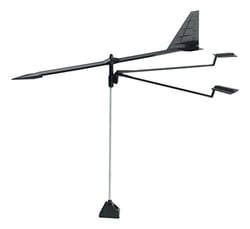
Schaefer Marine H006F00 Hawk Race Apparent Wind Indicator for Single-Handed Dinghies

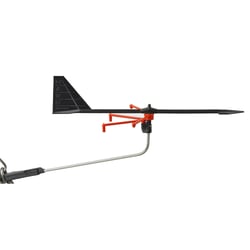
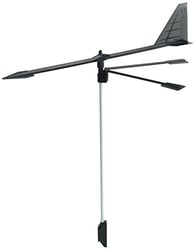
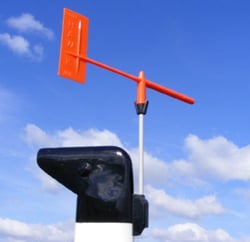
Why Wind Speed Indicators Are Essential for Sailors
Whether you're trimming sails for a weekend cruise or dialing in boat speed for a race start, knowing the wind is everything. Wind speed indicators — from simple masthead vanes to sophisticated digital transducer systems — give sailors the real-time data they need to make confident decisions at the helm. Understanding apparent wind angle, true wind speed, and how gusts shift across a tack can be the difference between a thrilling beat and a frustrating beat-to-windward.
Types of Wind Speed Indicators
Wind sensing technology for sailboats generally falls into a few broad categories, each suited to different sailors and budgets:
- Masthead vanes: Mechanical wind direction indicators mounted at the top of the mast. Simple, reliable, and requiring no power source, they give an at-a-glance read on apparent wind direction that experienced sailors can interpret in an instant.
- Electronic masthead transducers: Cup-and-vane assemblies that send wind speed and direction data to a cockpit display. Most modern systems also calculate true wind speed and angle when combined with boatspeed and heading sensors.
- Wireless wind sensors: Battery- or solar-powered transducers that eliminate the need to run cable through the mast — a significant installation advantage on smaller boats or retrofits. They transmit data over NMEA 2000 or proprietary wireless networks.
- Integrated display systems: Full instrument packages pairing a masthead transducer with a dedicated cockpit display, often showing VMG, Beaufort scale, maximum wind speed, and tack angle alongside raw speed and direction data.
What to Look for When Shopping
The best wind indicator for your boat depends on how and where you sail. Key considerations include:
- Apparent vs. true wind: Basic vanes show apparent wind only. Electronic systems, especially when networked with a compass and knotmeter, can calculate true wind — critical for offshore navigation and performance sailing.
- Bearing quality: The responsiveness of a mechanical vane depends heavily on its bearing. Low-friction jewel bearings are prized for their near-instant response to subtle wind shifts.
- Night visibility: Reflective tape and LED lighting options extend a vane's usefulness into twilight and night passages.
- Marine-grade construction: Look for UV-resistant housings, corrosion-resistant stainless steel or aluminum hardware, and robust polycarbonate or fiberglass bases rated for the marine environment.
- Network integration: Most modern electronic transducers are NMEA 2000 compatible, allowing seamless data sharing with chartplotters, autopilots, and multifunction displays.
Top Brands in Wind Speed Indicators
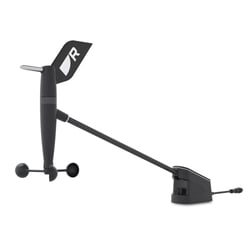
Raymarine is the dominant force in this category, offering solutions from entry-level wired masthead transducers up to their advanced Smart Wind™ technology. Raymarine's wind systems feature an integrated 3D motion sensor that self-calibrates and compensates for mast twist, airflow upwash, and sail interference — delivering highly accurate true wind data for both cruisers and racers.
Davis Instruments has been a trusted name in sailing wind indicators for decades. Their WindTrak vane series uses sapphire jewel suspension bearings for exceptional sensitivity to even the subtlest wind shifts, and their products have been wind tunnel tested to extreme conditions. Davis offers options for dinghies and sport boats all the way up to 50-foot cruisers.
Schaefer Marine rounds out the mechanical vane segment, offering compact wind indicators designed with a "V" jewel bearing surface for a nearly instant response to wind shifts and gusts. Their products are particularly well regarded among dinghy sailors and club racers seeking a rugged, low-maintenance solution.
B&G brings its renowned racing heritage to wind instrumentation. Chosen by offshore racing programs at the highest levels of the sport, B&G wind sensors are engineered for extreme accuracy and durability. Their WS320 wireless sensor is designed for cruising and club racing sailors and eliminates mast cable runs without sacrificing data quality.
Furuno is a respected global name in marine electronics, offering wind sensing products backed by the same commitment to precision and reliability that defines their broader instrument lineup — a natural choice for sailors already integrated into the Furuno ecosystem.