



Relays
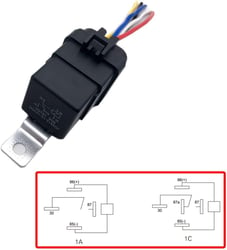

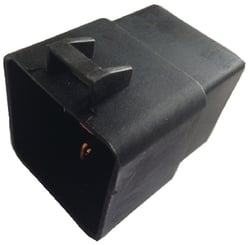

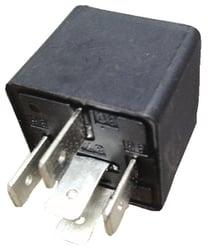
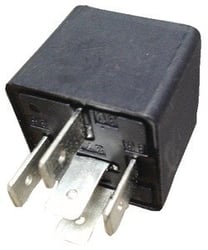
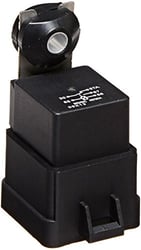


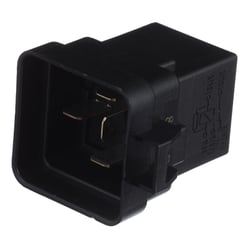

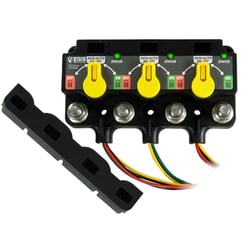
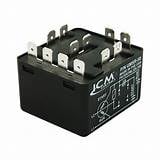
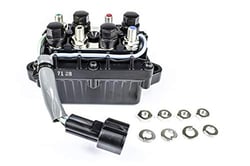
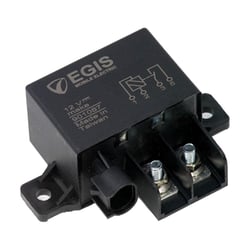
Egis Mobile Electric 8830-2535 XD Series Triple Flex 2 Relay Module with Manual Knobs
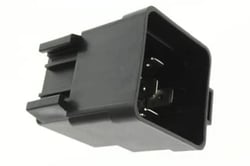
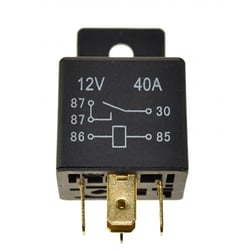

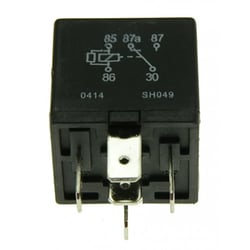
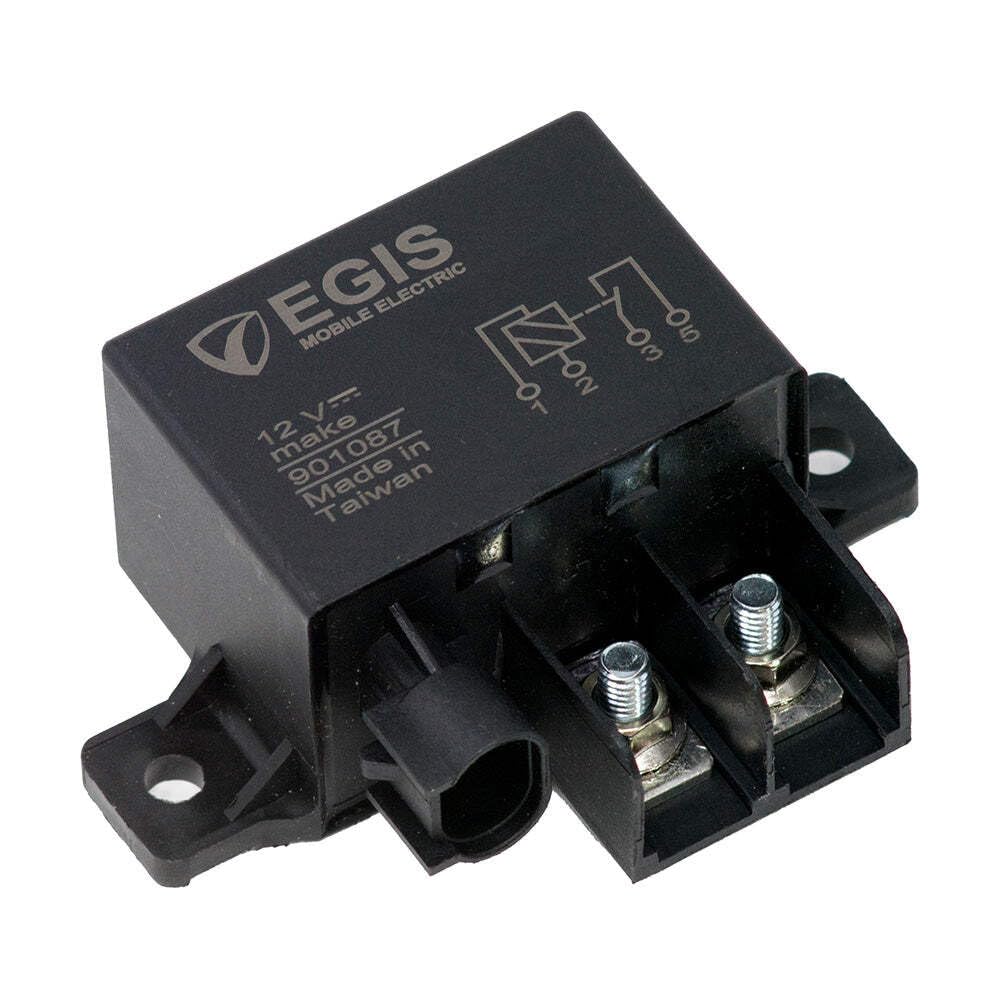 Representative Photo, actual item may vary

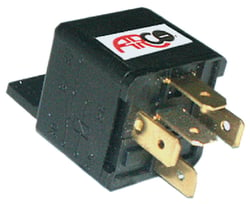

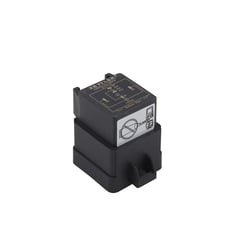
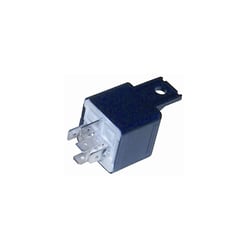
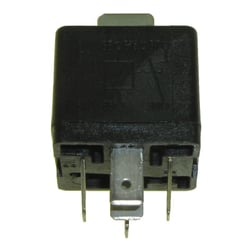
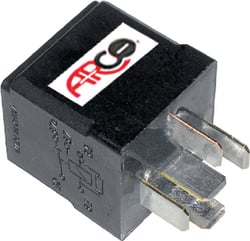
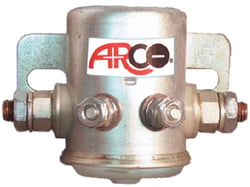
Engineered Marine Products 300-26074 Power Trim Relay for Mercury Mariner Outboard
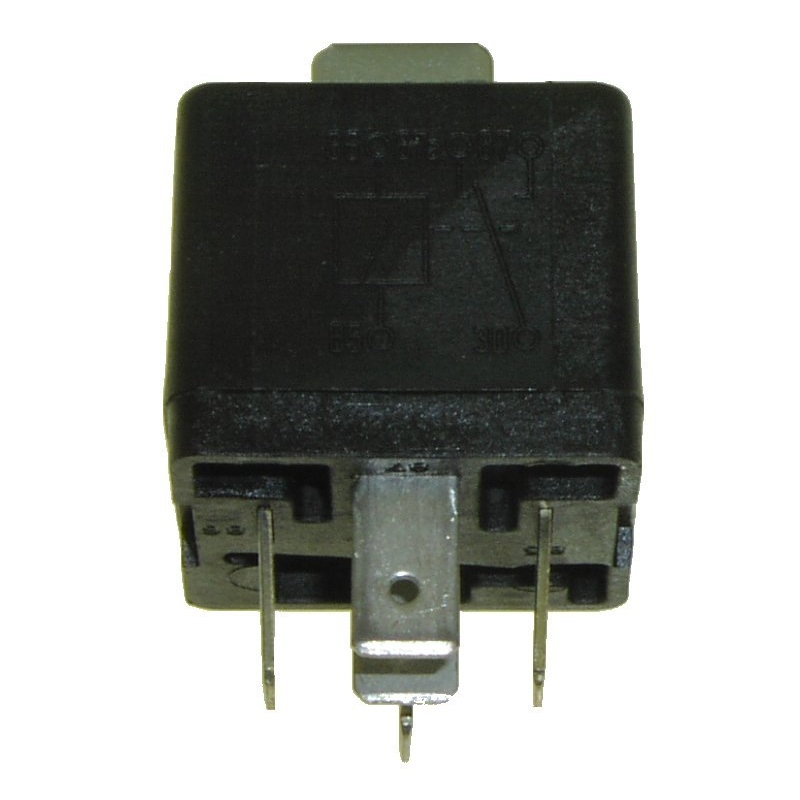 Representative Photo, actual item may vary
 Representative Photo, actual item may vary

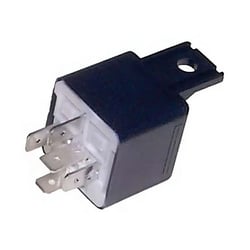
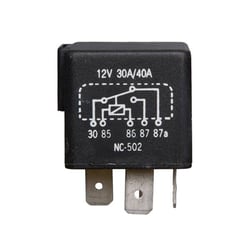
 Representative Photo, actual item may vary
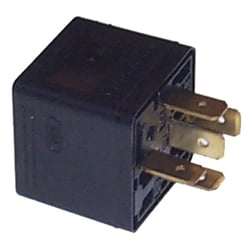
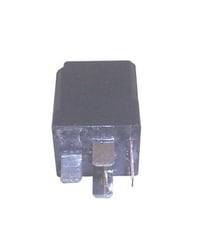
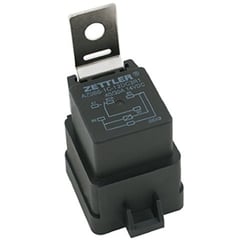
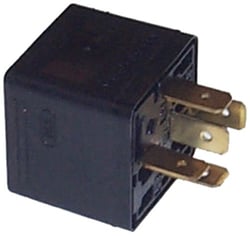
Sierra 118-5700 Power Trim Relay for Volvo Penta Stern Drives Electrical Parts & Accessories
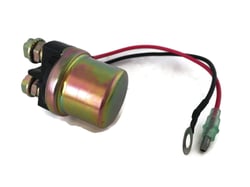
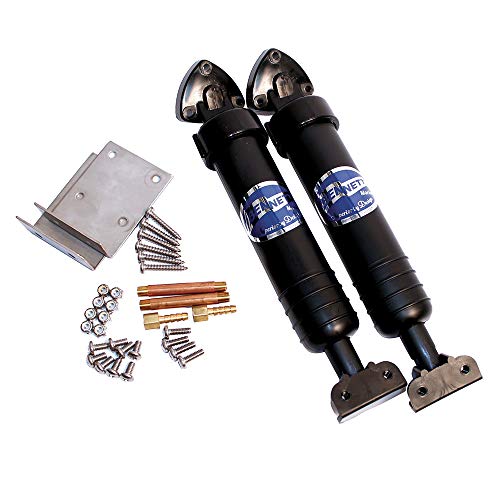 Representative Photo, actual item may vary

Marine & RV Engine Relays: The Unsung Heroes of Your Electrical System
A relay is one of the most fundamental components in any marine or RV electrical system, yet it often goes unnoticed until something goes wrong. At its core, a relay is an electrically operated switch — it uses a small control current to open or close a circuit that carries a much larger load. In the demanding world of boats and recreational vehicles, relays manage power to critical systems like trim and tilt motors, starter circuits, bilge pumps, lighting arrays, and horn systems. Without a properly functioning relay, these systems simply won't respond when you need them most.
Why Relays Matter in Marine and RV Applications
The marine and RV environments are uniquely punishing for electrical components. Constant vibration, exposure to moisture and salt air, wide temperature swings, and the high amperage demands of outboard motors and onboard accessories all take a toll. A relay designed for a standard automotive application may fail prematurely in these conditions. That's why it's essential to choose relays specifically rated and built for marine or RV duty — components engineered to handle the voltage spikes, humidity, and corrosion that come with life on the water or the open road.
When shopping for a replacement relay, pay close attention to three key specs: voltage rating (almost universally 12V DC for marine/RV systems), amperage rating (commonly ranging from 30A to 80A depending on the application), and pin configuration (4-pin vs. 5-pin SPDT designs are the most common). Getting the wrong amperage or pinout can prevent the relay from functioning — or worse, damage the circuit it's meant to protect.
Top Brands in Marine & RV Relays
Cook Mfg. is the go-to source for relays used in CMC jack plate and trim & tilt systems. Their 12V relays — including the widely used 40-amp and 80-amp variants — are purpose-built for the hydraulic and electric tilt systems found on outboard-powered boats, making them the first choice for CMC system owners seeking an OEM-quality replacement.
Arco Starting & Charging is a respected name in marine electrical components, known for building products that meet the rigorous demands of outboard and sterndrive engines. Their relay offerings are trusted by boaters and marine technicians who need dependable electrical parts that hold up in saltwater and freshwater environments alike.
Standard Motor Products brings decades of electrical engineering expertise to the marine and RV relay market. A longtime leader in automotive ignition and electrical components, Standard Motor Products manufactures relays to strict quality standards, making their parts a reliable choice for mixed-fleet owners and professional technicians.
Genuine BMW relays represent OEM-grade precision for BMW-powered marine and specialty RV applications. When exact fitment and factory specifications are non-negotiable, Genuine BMW components deliver the confidence of original equipment quality.
Mars (also known as Mars Controls) is a well-established manufacturer of electrical relays and contactors widely used in HVAC, marine, and RV systems. Their relays are known for consistent performance across a broad range of electrical loads, making them a versatile option for both engine and accessory circuit applications.
Tips for Choosing the Right Relay
- Match the amperage: Always replace a relay with one rated at the same or higher amperage to avoid overheating or premature failure.
- Verify the pin configuration: Count the pins and compare the wiring diagram before ordering — a wrong pinout won't work even if the relay looks identical.
- Look for marine-rated components: Sealed or waterproof relay housings offer far better longevity in wet environments.
- Use OEM part numbers when possible: Especially for brand-specific systems like CMC jack plates, cross-referencing the original part number ensures a proper fit.