



Sanding Sponges & Finishing Pads


What Are Sanding Sponges & Finishing Pads?
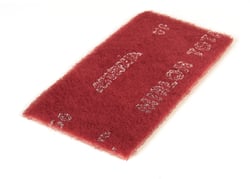
Sanding sponges and finishing pads are among the most versatile hand tools in any auto body technician's arsenal. At their core, sanding sponges and finishing pads are abrasive materials — typically aluminum oxide or silicon carbide grains — bonded to a flexible foam or vinyl backing. Unlike rigid sandpaper blocks, that foam core is what sets them apart: it conforms to the surface being worked, distributing pressure evenly across curves, contours, and hard-to-reach spots that flat backing simply cannot follow.
Why They Matter for Automotive Work
Surface preparation is the foundation of any quality paint job or body repair. Whether you're smoothing body filler, feathering primer edges, scuffing a panel before repainting, or refining a clear coat to a mirror finish, choosing the right abrasive tool at each stage makes a measurable difference in the final result. Sanding sponges fill a critical gap between power sanders and bare sandpaper — they provide the manual control and flexibility needed for detail work on bumpers, headlight openings, door jambs, and complex body lines where orbital machines can't safely go.
Grit selection follows the progression of the repair. Coarser grits (60–100) knock down filler and shape repairs quickly. Mid-range grits (320–400) smooth primer and blend edges. Fine to ultra-fine grits (800–1200) are used for paint finishing and clear coat sanding, where the goal is eliminating minor imperfections without cutting through the paint layer.
One significant advantage of sanding sponges over traditional sandpaper is their wet/dry versatility. Wet sanding lubricates the surface, reduces airborne dust, and helps prevent clogging — particularly valuable when working with primers, fillers, and automotive paints. Many sponges can also be rinsed clean and reused, making them a more economical and eco-friendlier alternative to single-use abrasive sheets.
Key Considerations When Shopping
- Grit range: Match the grit to your stage of work — coarse for shaping, medium for primer, fine-to-ultrafine for finishing.
- Wet or dry use: Look for sponges with a waterproof bonding system if you plan to wet-sand.
- Foam density: Softer foam conforms better to tight contours; firmer foam gives more control on flat or gently curved panels.
- Abrasive mineral: Aluminum oxide offers durability and versatility; silicon carbide self-fractures for a consistently sharp cutting edge on finer finishing work.
- Reusability: Rinse-able sponges extend service life significantly compared to paper-backed alternatives.
Top Brands in Sanding Sponges & Finishing Pads
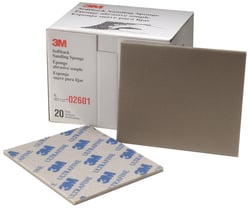
When it comes to professional-grade sanding sponges for automotive applications, 3M is the benchmark. With decades of materials science and abrasives innovation behind them, 3M's lineup spans everything from the Performance Soft Sanding Sponge — designed to sand putty, primer, and clear coat as part of their comprehensive Body Repair System — to the Wetordry™ Sponge Pad engineered specifically for collision repair wet-sanding workflows. Their sponges are available in a range of grits from 60 through 1200, and many feature aluminum oxide abrasive with a waterproof bonding system for reliable wet or dry use.