



Seacocks
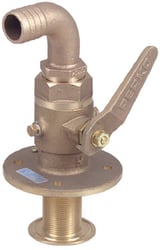
Perko 0834007PLB 1-1/4" Bronze Ball Valve Seacock with 90° Curved Tail Piece

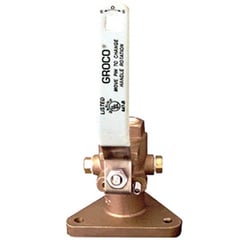

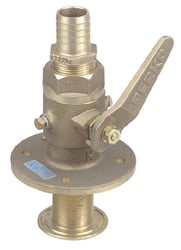
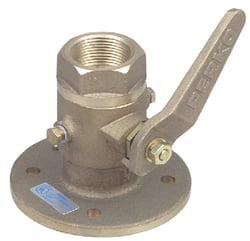
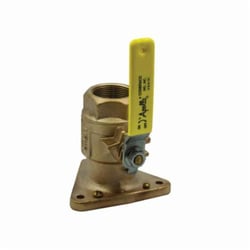

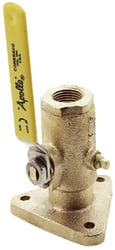

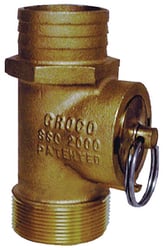
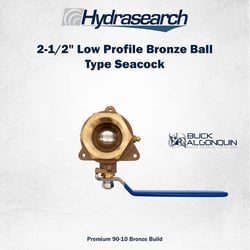

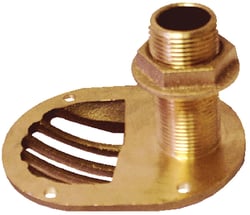
 Representative Photo, actual item may vary
Perko Seacock Repair Kit Seacocks
 Representative Photo, actual item may vary
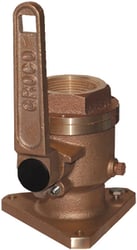
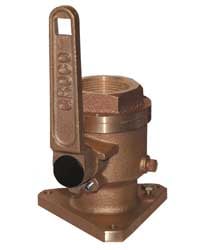
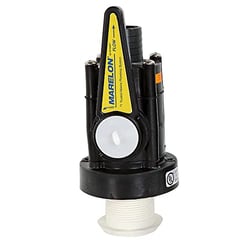

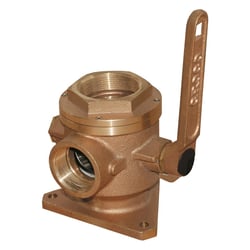
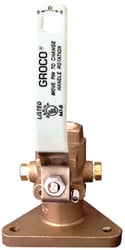
Conbraco/Apollo 78-118-01 Sea-Flange Ball Valve 1 Inch Full Flow Marine Seacock
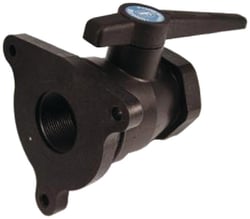
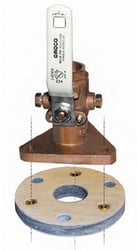
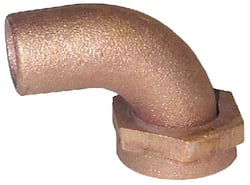
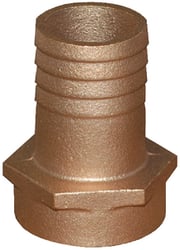
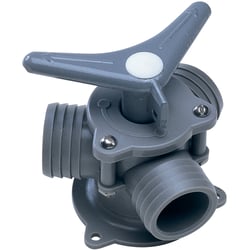
 Representative Photo, actual item may vary
What Is a Marine Seacock?
Seacocks are among the most critical safety components on any boat. A seacock is a valve installed in the hull at points where water is allowed to enter or exit — such as for engine cooling, marine toilets, bilge pumps, and sink drains. In the event of a failed hose, cracked fitting, or loose clamp, a closed seacock is the only component capable of stopping water flow at its source and preventing flooding. Choosing the right seacock and keeping it properly maintained isn't just good seamanship — it can be the difference between a minor repair and a catastrophic sinking.
How Seacocks Work
The modern standard for seacocks is the ball valve design, which uses a perforated ball that rotates 90 degrees to move from fully open to fully closed. This quarter-turn action is fast, intuitive, and critical during emergency response. The handle position makes it immediately clear whether water is flowing: aligned with the pipe means open, perpendicular means shut. Older gate valves, which use a sliding plate mechanism, are strongly discouraged — the ABYC forbids them in NMMA-certified boats because they are prone to seizing and give no visual indication of their open or closed status.
Seacock Materials: Why It Matters Below the Waterline
Material selection is one of the most important decisions when choosing a seacock. The two primary options are marine-grade bronze and high-strength composite polymers. High-grade bronze is valued for its corrosion resistance, particularly its resistance to dezincification — the selective leaching of zinc from a copper alloy that can leave fittings porous and structurally compromised. Standard plumbing brass should never be used below the waterline for this reason.
Composite alternatives, such as glass-reinforced nylon, offer complete immunity to galvanic and electrolytic corrosion since they are non-metallic — a significant advantage as modern boats carry more electronics and are exposed to more stray currents in marina environments. Whatever material you choose, look for fittings that meet ABYC H-27 and, ideally, UL Marine listing standards, which include a requirement that the assembly withstand a 500-pound load without failure.
Seacock Maintenance Essentials
- Exercise monthly: Open and close each seacock at least once a month to prevent the ball and seals from seizing due to marine growth or mineral buildup.
- Lubricate annually: Apply a marine-grade lubricant to keep valve components moving freely.
- Inspect at haulout: Check annually for corrosion, dezincification, and limescale buildup. Pink discoloration on bronze fittings indicates dezincification and requires immediate attention.
- Keep bungs nearby: Tether a tapered softwood plug near every seacock assembly for emergency use.
Top Seacock Brands
Forespar is one of the most trusted names in marine seacocks, known for their proprietary Marelon® composite polymer fittings. Marelon seacocks are lightweight, completely corrosion-free, and meet or exceed ABYC H-27 and ISO 9093-2 standards — making them a popular choice for sailors and powerboaters alike who want a maintenance-friendly, electrolysis-proof alternative to metal valves.
Conbraco/Apollo brings decades of valve manufacturing heritage to the marine market. Their bronze sea flange ball valves are UL-listed for marine use and built with chromium-plated bronze balls and RPTFE seats for smooth, reliable long-term operation — a solid bronze option for traditional below-waterline installations.