



Simrad Autopilot Components

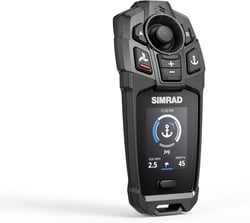
An autopilot is only as good as the components working together behind the helm, and Simrad has spent decades refining that system approach. The brand's autopilot lineup is built around a modular philosophy: choose a drive unit that suits your steering system, add a rudder feedback option, match an autopilot computer to the drive, and then pick a controller. Simrad describes its current range as the product of more than 70 years of experience and development, and that heritage shows in how cleanly the pieces fit together.
The Brains: Simrad Autopilot Computers
The autopilot computer takes heading data from the compass, rudder feedback and other onboard instruments, then steers to your chosen heading or course while powering the drive unit. Simrad's NAC-series computers are a good example. The NAC-3 is rated to operate high-current drive pumps including the RPU160 and RPU300, mechanical drives such as the DD15, hydraulic linear drives in the HLD2000 series, and solenoid valves. That breadth means one computer can serve a wide range of steering setups.
For professional and commercial installations, the AP70 and AP80 family uses dedicated computers such as the AC70, which contains the steering computer and the electronics for the drive unit motor and clutch while also acting as an interface to other system components. Related AC80A, AC80S and AC85 units, plus AD80 and SD80 drive interfaces, cover analog and solenoid-driven rudder or thruster control.
Virtual Rudder Feedback and Physical Sensors
Rudder feedback units report rudder position so the autopilot can steer smoothly and accurately. Simrad's standout feature here is Virtual Rudder Feedback. VRF technology eliminates the need for a separate rudder feedback unit on outboard and sterndrive boats with planing hulls. Where a physical sensor is the better choice, the NAC-3 supports SimNet or NMEA 2000 connected RF25 units, and sensors with variable frequency output such as the RF300.
Controllers and Integration
Simrad lets you decide how you want to steer. You can choose a dedicated controller or run your autopilot from a Simrad multifunction display. Dedicated options include the AP44, with a 4.1-inch full-colour display and rotary-dial course adjustment, and the OP12, a wired remote for use with the IS42 or Simrad multifunction displays. Professional installations can add follow-up, non-follow-up and Quick Stick remotes, which are backward compatible with several earlier Simrad systems.
The Continuum Advantage
Simrad's autopilot behavior is guided by its Continuum steering algorithm, which is designed to distill extensive on-water experience into dependable steering decisions. In practice, a well-matched Simrad system compensates for wind and tide, makes efficient turns and keeps the vessel closer to its planned course, reducing helm workload on long passages or while you focus on fishing.
Shopping Tips for Simrad Autopilot Components
- Start with your steering system: hydraulic, mechanical, solenoid or analog steering determines the drive and, in turn, the computer you need.
- Check vessel size ratings: system packs and components are specified for particular boat lengths and capacities.
- Decide on feedback: VRF suits many planing-hull outboards and sterndrives, while displacement hulls and inboards typically call for a physical unit.
- Confirm network compatibility: look for SimNet or NMEA 2000 support so components share data with your displays.
To learn more about the manufacturer, visit the Simrad brand page. For a wider look at how these systems work across makers, browse the full Autopilot Components category.