



Slip Ring & Traditional Anchors
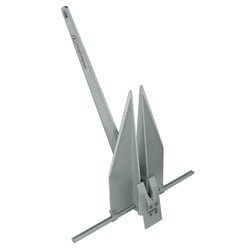

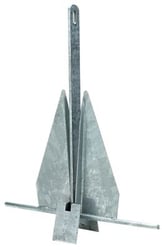

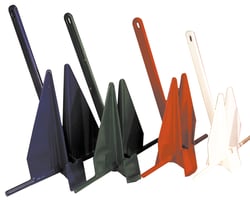

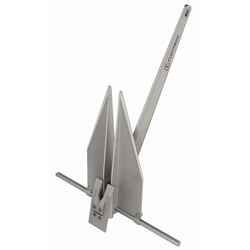
 Representative Photo, actual item may vary
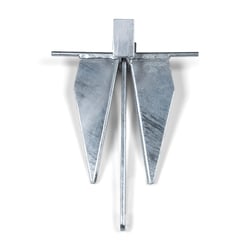
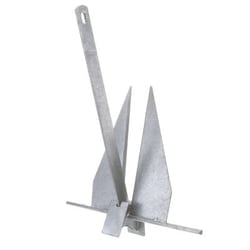
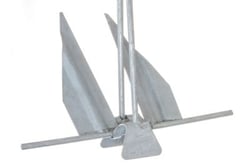
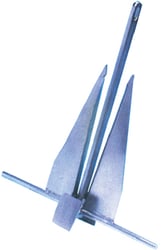

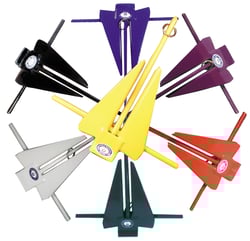
Greenfield Products 669-11-Y Fluke-Type Slip Ring Anchor 11 lb PVC Coated Yellow
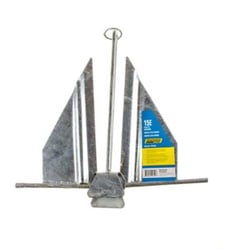
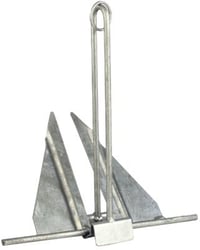
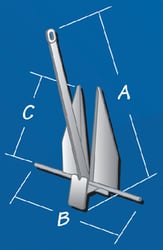

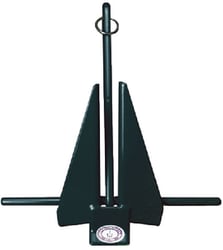
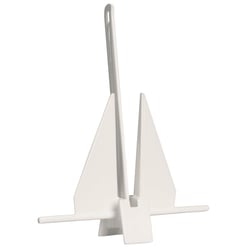
Greenfield Products 669-6-RD 6 lb Fluke-Style Slip Ring Anchor with PVC Coating
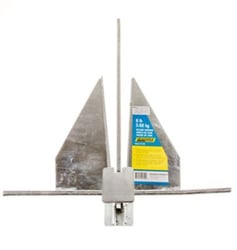
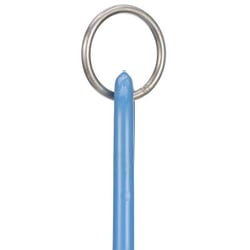
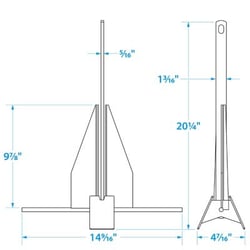


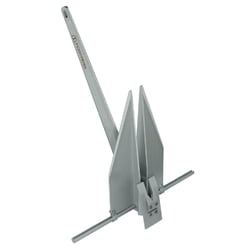
Tie Down Engineering 95006 Hooker Quik-Set 5HQ Fluke Anchor 3.5 lb 120 lb Holding Power
Tie Down Engineering 94021 Danforth Hi-Tensile Fluke Anchor 20 lb 2500 lb Holding Power
Tie Down Engineering 95065 Super Hooker #65 Fluke Anchor 75 lb 2400 lb Holding Power
Tie Down Engineering 95050 Super Hooker #18 Galvanized Boat Anchor 1050 lb Holding Strength
Tie Down Engineering 95040 Super Hooker #8 Galvanized Fluke Anchor 480 lb Holding Power
Tie Down Engineering 95026 Hooker Quik-Set 15HQ Fluke Anchor 8 lb 200 lb Holding Power
Tie Down Engineering 95021 Hooker Quik-Set Anchor 13HQ 6.5 lb 180 lb Holding Power
Slip Ring & Traditional Anchors: Reliable Holding Power on the Water
Whether you're dropping the hook for an afternoon swim, weathering an overnight stay in a cove, or securing your vessel in a busy anchorage, your anchor is the single most important piece of safety equipment on board. Slip ring and traditional anchors represent some of the most time-tested designs in recreational and commercial boating — built around proven geometry and robust materials that earn the confidence of mariners year after year.
What Are Slip Ring Anchors?
A slip ring anchor — sometimes called a ring anchor — features a free-sliding ring on the shank that connects to your rode (chain or rope). Under normal conditions the ring rides at the crown end, allowing the anchor to dig in and set firmly. If the anchor becomes fouled on an underwater obstruction, the rode pulls from the crown rather than the shank, reversing the anchor's orientation and breaking it free. This self-clearing design makes slip ring anchors an especially practical choice for rocky, weedy, or debris-strewn bottoms where conventional anchors can become permanently stuck.
Traditional Anchor Styles and When to Use Them
The broader category of traditional anchors includes a range of classic designs — fluke-style, Danforth-type, navy, and mushroom anchors — each optimized for specific bottom conditions and vessel sizes. Fluke-style anchors excel in sand and mud, digging deep with minimal weight. Heavier navy and kedge-style designs offer excellent hold in mixed or rocky terrain. Choosing the right anchor for your typical anchorage is just as important as sizing it correctly for your boat's length and displacement.
- Sand & Mud Bottoms: Lightweight fluke and Danforth-style anchors provide outstanding holding power relative to their weight.
- Rocky or Mixed Bottoms: Slip ring designs and heavier traditional anchors reduce the risk of permanent fouling.
- Calm, Protected Waters: Mushroom anchors work well for small craft, canoes, and dinghies in sheltered areas.
- Offshore or Exposed Anchorages: Heavier, high-holding-power designs are recommended for larger vessels or challenging conditions.
Key Considerations When Shopping
Anchor selection comes down to four primary factors: vessel size, typical bottom type, rode material (chain vs. rope), and storage space. Always consult manufacturer sizing charts and consider carrying a secondary or kedge anchor for backup. Stainless steel and galvanized finishes offer corrosion resistance in saltwater environments, while coated options can reduce deck and hull scuffing.
Top Brands in Slip Ring & Traditional Anchors
Lewmar is a globally recognized name in marine deck hardware and anchoring systems, known for engineering anchors that balance lightweight construction with exceptional holding power — a trusted choice for performance sailors and cruising boaters alike.
Tie Down Engineering offers one of the broadest selections in this category, with an extensive lineup of traditional anchor styles suited to a wide variety of boat types and bottom conditions, making them a go-to source for boaters seeking reliable, value-driven anchoring solutions.