



Solenoids
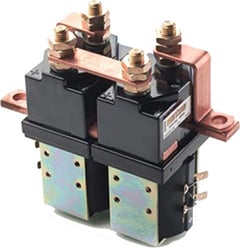

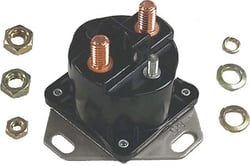

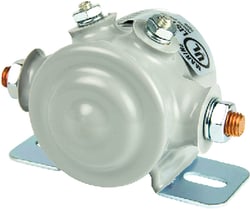

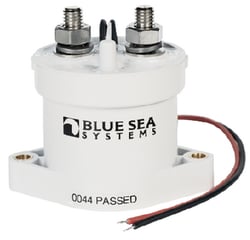

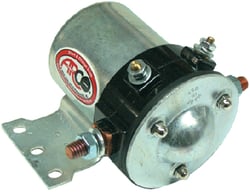

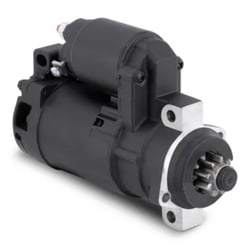
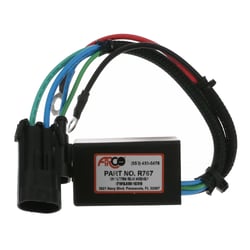
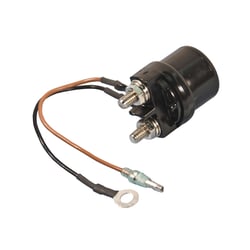
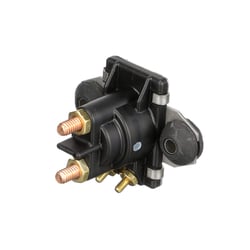

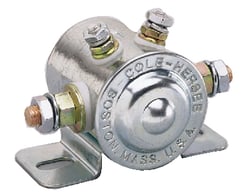


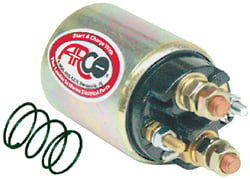
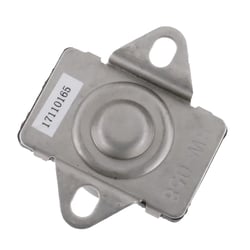
Arco Starting & Charging SW058 Solenoid for Mercruiser and Mercury Marine Solenoids
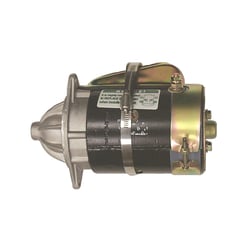
Sierra 18-5903 Marine Starter for Ford 302 & 351 CID MerCruiser OMC Volvo Pleasurecraft
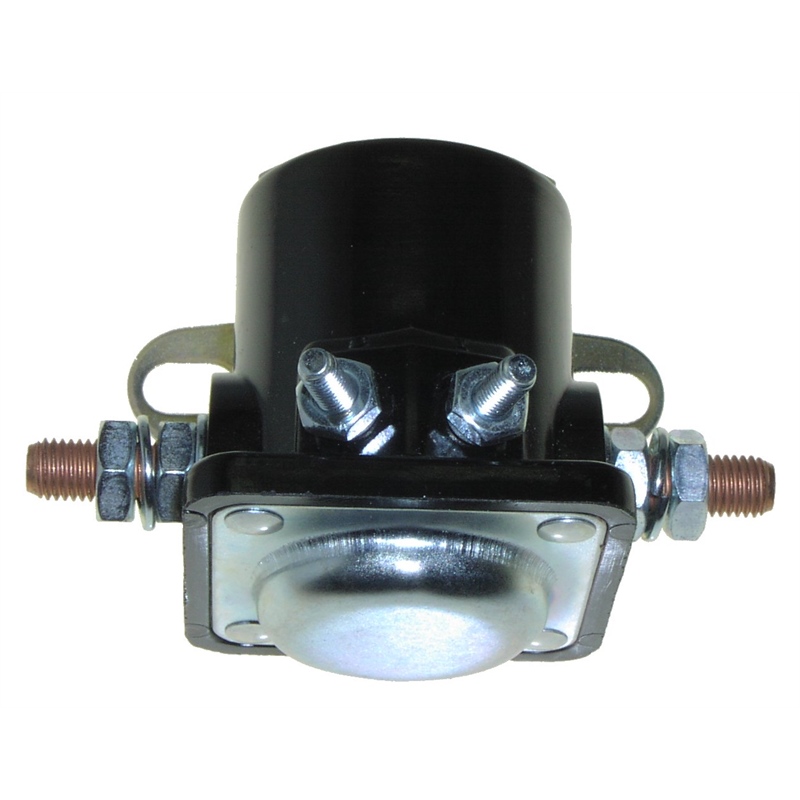 Representative Photo, actual item may vary

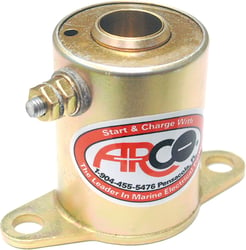
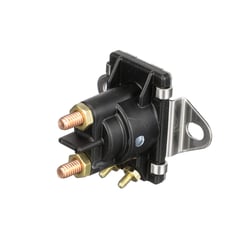
Quicksilver 8M0185622 Starter or Power Trim Solenoid for Mercury Mariner Outboards MerCruiser
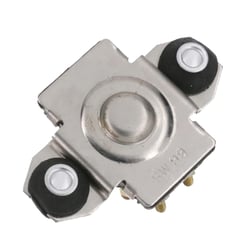
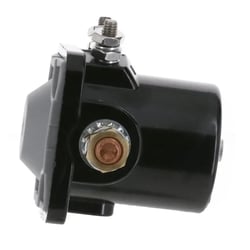
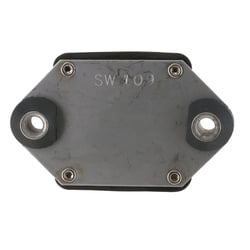
Arco Starting & Charging SW109 Solenoid for Mercury/Mercruiser Isolated Base Solenoids - 12V
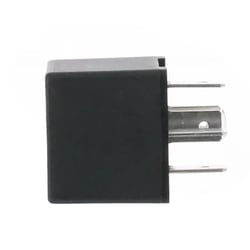
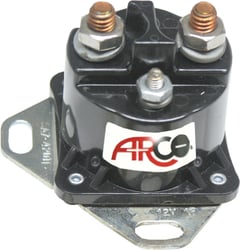
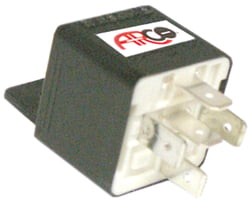
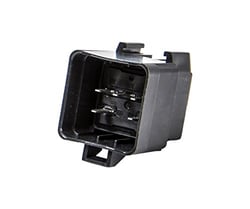
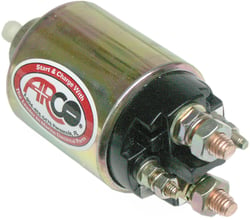
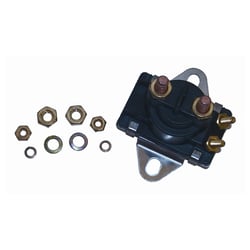
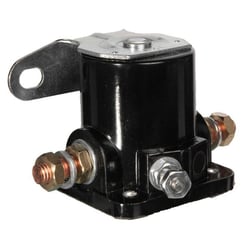

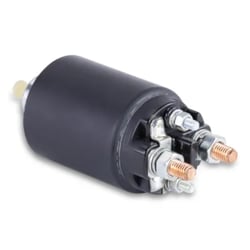
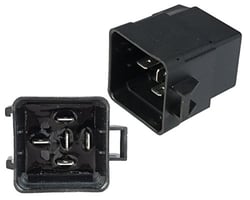
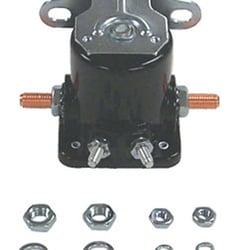
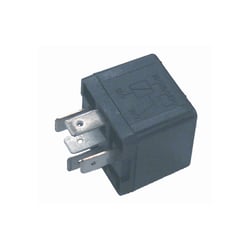
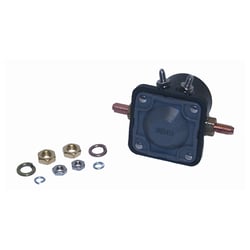
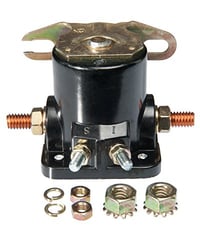
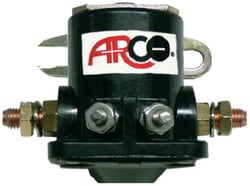
Arco Starting & Charging SW661 Solenoid for Mercruiser and Mercury Marine Solenoids
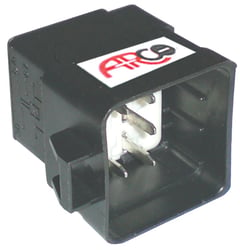
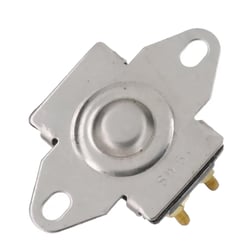
Arco Starting & Charging SW054 Solenoid for Mercruiser and Mercury Marine Solenoids
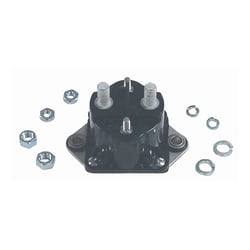
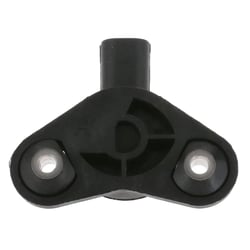
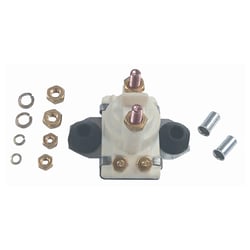
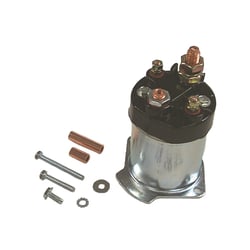
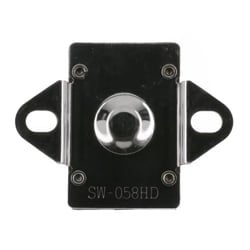
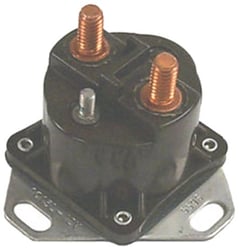
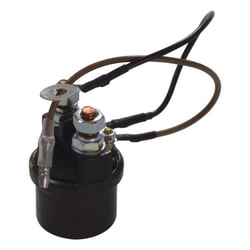
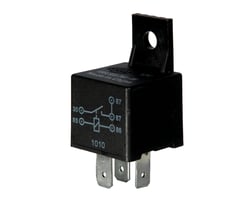
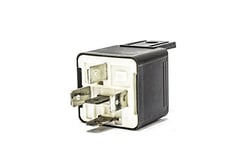
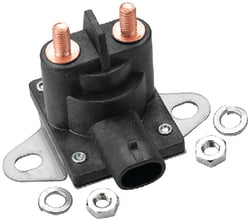
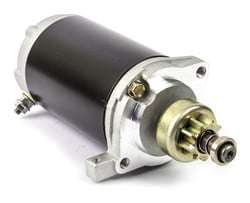
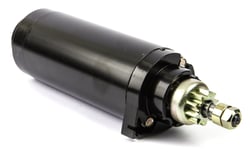
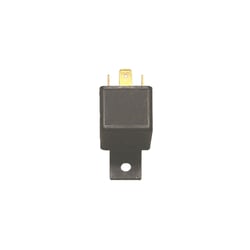
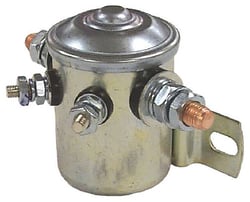
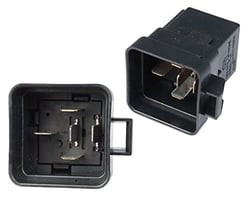
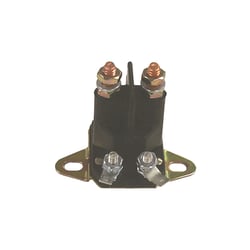
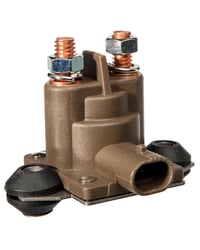
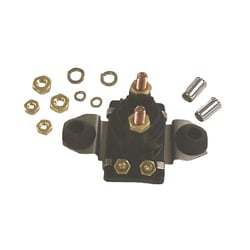
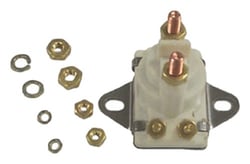
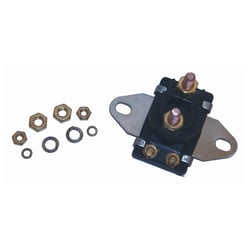
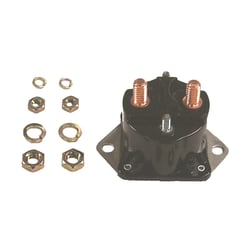
Sierra 18-5815 Starter Solenoid for Mercury MerCruiser Marine Engines Solenoids
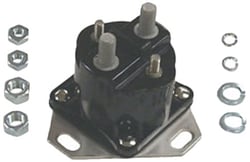
What Are Marine & RV Engine Solenoids?
If your boat or RV engine refuses to crank, or cuts out unexpectedly on the water, a failed solenoid is often the culprit. Solenoids are electromagnetic switches that bridge low-current control signals — like turning an ignition key — to the high-amperage circuits that actually power your starter motor, fuel system, or trim components. Marine and RV engine solenoids are small but absolutely mission-critical: without a healthy solenoid, even a perfectly good engine won't start.
How Marine Solenoids Work
At their core, solenoids work by passing electric current through a coil of wire, which generates a magnetic field that moves a plunger or piston. In a starter solenoid, that plunger closes a set of high-current contacts, sending battery power to the starter motor while simultaneously engaging the pinion gear with the engine's flywheel ring gear. Once the engine fires and the key is released, the solenoid opens those contacts and everything returns to rest.
Marine engines frequently rely on more than one solenoid. A starter solenoid handles the heavy lifting of engine cranking, while a slave (or remote) solenoid is often mounted away from the starter to keep long wire runs manageable aboard larger vessels. Diesel-powered boats and RVs also rely on a fuel shutoff solenoid, which holds the fuel valve open when the ignition is on and de-energizes to cut fuel supply and stop the engine safely when the key is turned off.
Why the Marine Environment Demands Quality Solenoids
Unlike their automotive counterparts, marine solenoids are exposed to constant moisture, salt air, vibration, and bilge humidity — conditions that accelerate corrosion of internal contacts and coil windings. A solenoid that fails on a highway is an inconvenience; one that fails on open water is a serious safety concern. Choosing a solenoid that meets or exceeds OEM specifications and is purpose-built for the marine environment is essential for reliable operation.
When shopping for a replacement, always verify voltage (12V vs. 24V), terminal configuration, mounting style, and whether the unit is designed for gas or diesel applications. Compatibility with your existing alternator, battery bank, and control modules is equally important.
Top Brands in Marine & RV Solenoids
Arco Starting & Charging is the leading name in this category, and for good reason. Arco has built a reputation as a specialist in marine starting and charging components, offering solenoids engineered specifically to withstand the harsh demands of the marine environment. Their parts are widely trusted as direct OEM-quality replacements for a broad range of outboard and inboard engines.
Quicksilver is the genuine factory parts brand backed by Mercury Marine, one of the world's foremost marine engine manufacturers. Quicksilver solenoids are designed to exact factory specifications, making them an ideal choice for Mercury and MerCruiser engine owners who want the confidence of a true OEM fit.
Vetus is a respected Dutch marine equipment manufacturer known for high-quality engine and electrical components. Vetus solenoids bring European engineering standards to marine applications, and they are a popular choice for trawlers, motorboats, and other diesel-powered vessels where reliability over long passages is paramount.