



Stern/Transom Lights
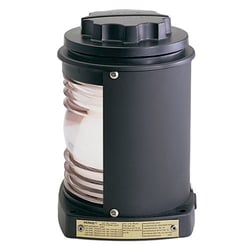

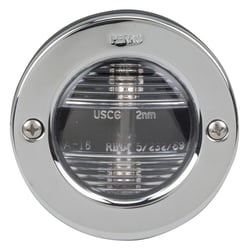
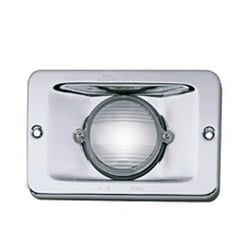
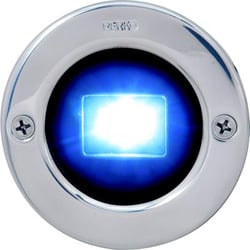
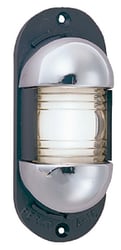
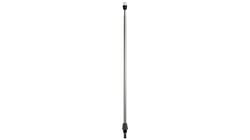
Perko 0939DP1STS Flush Mount Rectangular Stern Navigation Light Stainless Steel
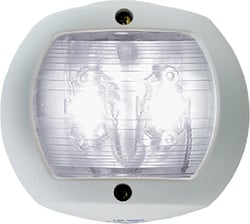
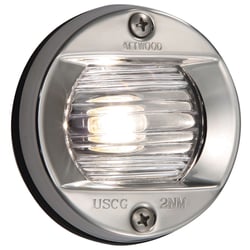


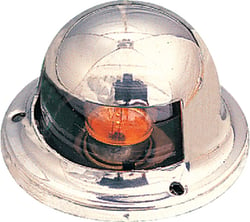

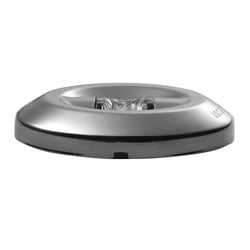

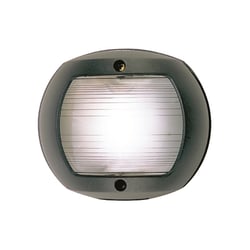
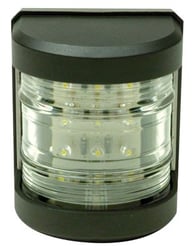
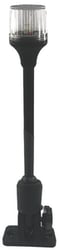
Perko 0170 BSN DP1 White Stern Navigation Light Black Polymer 12V USCG 2NM


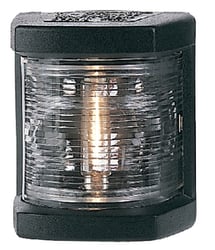

 Representative Photo, actual item may vary
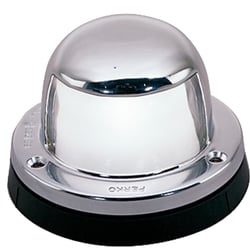
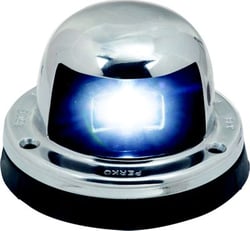
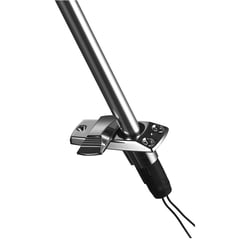
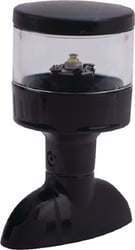
Perko 0170MSNDP3 LED White Stern Navigation Light Chrome Plated Housing 12V



What Are Stern and Transom Lights?
Stern and transom lights are white navigation lights mounted at the rear of a vessel to signal its position and direction of travel to other boaters. Stern/transom lights project a 135-degree arc of white light centered on dead astern, allowing any approaching vessel to immediately identify that they are coming up behind a moving boat. This specific arc of coverage — 67.5 degrees off each side of the centerline — is precisely defined by U.S. Coast Guard (USCG) regulations and international maritime rules, and is not interchangeable with other navigation lights.
Why Stern Lights Matter for Safety and Compliance
Navigation lights are not optional equipment. Vessels are required to display the appropriate lights from sunset to sunrise and during all periods of reduced visibility, including fog and rain. Failing to use navigation lights correctly isn't just dangerous — it can result in fines and legal liability in the event of a collision. The white stern light plays a distinct role in this system: it tells other boaters that they are looking at the back of your vessel, giving them critical information about your heading and right-of-way status.
For powerboats under 12 meters, the stern light must produce a 135-degree arc of white illumination and be visible at a minimum of 2 nautical miles. Larger vessels face even stricter requirements. When shopping for a replacement or upgrade, it is essential to choose a light that is USCG-approved and meets the standards outlined in the International Regulations for Preventing Collisions at Sea (COLREGs) and Inland Navigation Rules (33 CFR Subchapter E).
Incandescent vs. LED Stern Lights
Modern boaters increasingly favor LED stern lights over traditional incandescent models. LED marine lights consume significantly less power, which preserves battery life on extended trips, and they offer greater durability against corrosion, moisture, and shock — all critical factors in a harsh saltwater environment. Look for fixtures with high IP ratings (IP67 or IP68) to ensure reliable waterproofing. Mounting styles range from flush-mount and surface-mount to pole-mount configurations, so you can find a solution that fits your transom geometry and keeps the light properly positioned at the aft-most point of the vessel.
Top Brands in Stern and Transom Lights
Choosing a reputable brand is one of the most important decisions when outfitting your boat with navigation lighting. Here are the leading manufacturers available in this category:
- Perko — One of the most recognized names in marine hardware and navigation lighting, Perko has a long-standing reputation for manufacturing durable, USCG-compliant fixtures in both traditional and LED configurations. Their stern lights are a popular choice among recreational and commercial boaters alike.
- Attwood Marine — Attwood is a well-established marine accessories brand known for producing reliable, affordable navigation lighting solutions. Their stern lights are engineered for easy installation and consistent compliance with Coast Guard standards.
- Seachoice — Seachoice offers a broad range of marine accessories, including a practical selection of stern and transom lights designed to deliver solid performance at an accessible price point, making them a go-to for boaters looking to outfit their vessel without overspending.
- Sea-Dog Line — Sea-Dog Line is a trusted supplier of marine hardware with a focused product line built for durability in demanding conditions. Their stern light offerings are valued for their rugged construction and straightforward installation.
What to Look for When Buying a Stern Light
Before purchasing, confirm that the light is rated for your vessel class and meets all applicable USCG visibility requirements. Consider the mounting style that best suits your transom, whether flush, surface, or pole-mounted. If you are upgrading from incandescent to LED, verify that the replacement fixture carries the proper USCG approval marking — not all LED marine lights on the market are fully certified. Proper installation is equally important: a light that is obstructed or misaligned can fail to meet the required 135-degree arc, rendering it non-compliant regardless of its certification rating.