



Thru-Hull Fittings
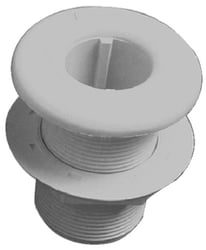




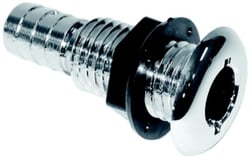


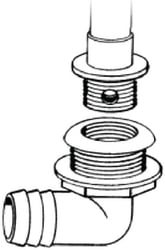
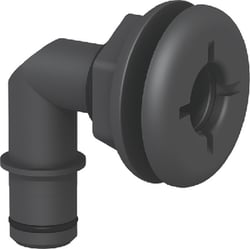
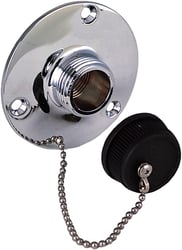
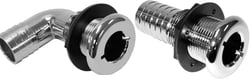
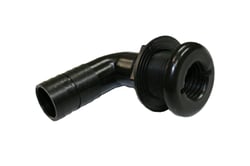
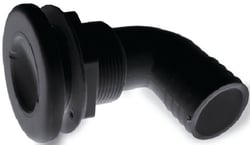
Flow-Rite MA-027-QLB 3/4" Qwik-Lok Thru-Hull Fitting 90 Degree Elbow Flanged Black

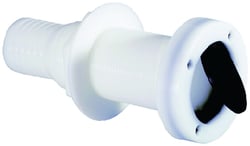
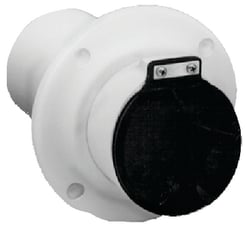
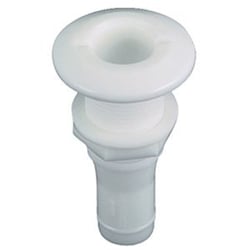
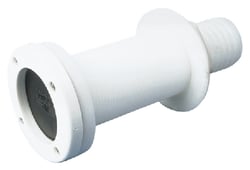
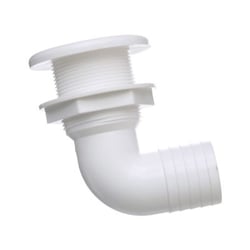
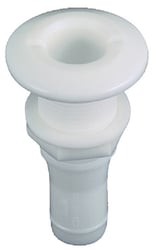
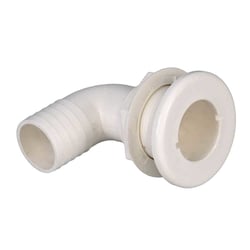
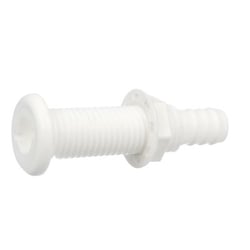
Attwood Marine 3881-1 Thru-Hull Scupper Assembly with Flapper Valve 1-1/2 Inch White

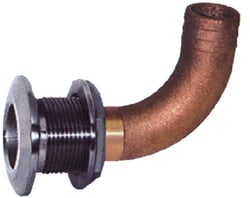
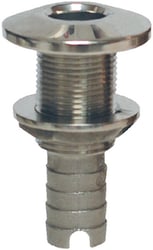
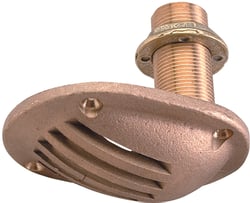
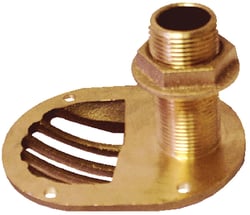
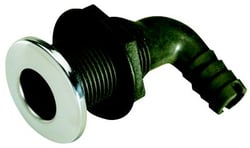
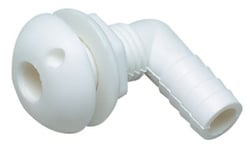
Groco HTHC-1000-S 1" Stainless Steel 90 Degree Hose Thru-Hull Fitting with Bronze Nut


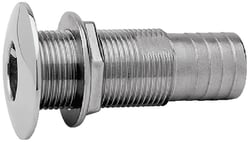
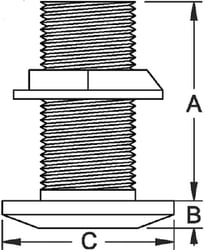
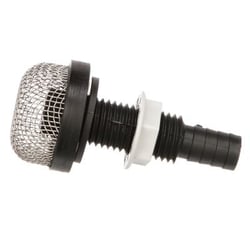

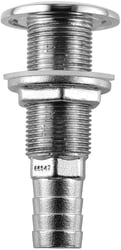
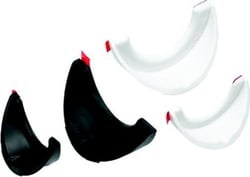
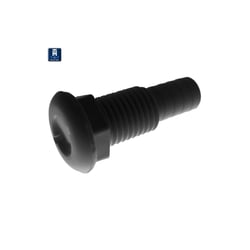
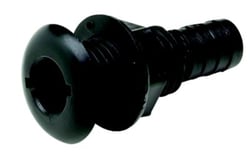

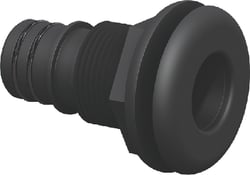
Flow-Rite MA041QLB Qwik-Lok Thru-Hull Fitting 1-1/8 Inch Straight Flanged Black
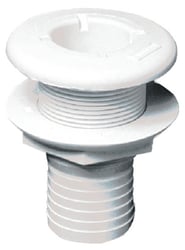
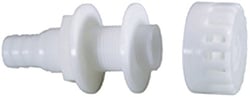
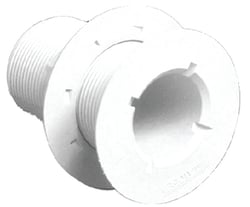
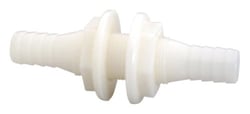
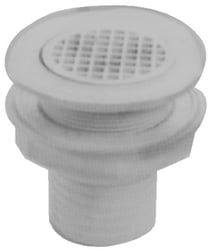
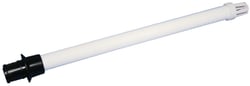
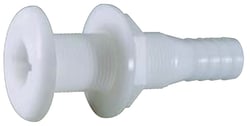
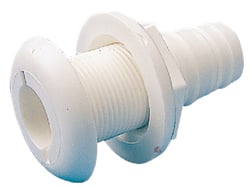
Attwood Marine 3878-3 Polypropylene Double Ended Thru-Hull Connection for 3/4" Hose
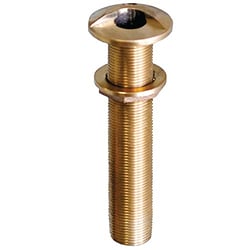
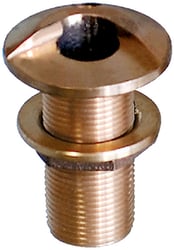
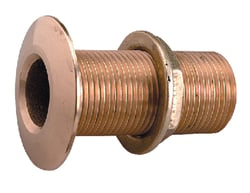
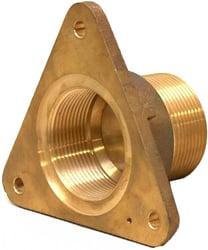
Groco HSTHXL-750-W 3/4" Bronze Extra Long High Speed Thru-Hull Fitting with Nut

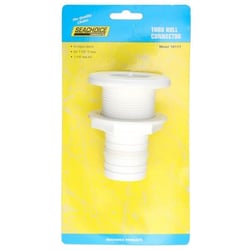
What Are Thru-Hull Fittings?
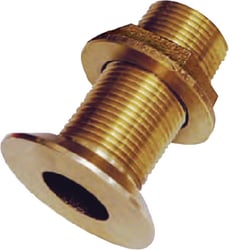
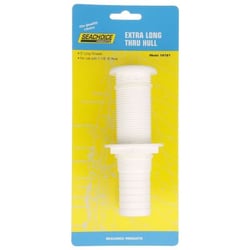
Thru-hull fittings are among the most safety-critical components on any vessel. Thru-hull fittings are plumbing components installed through the hull of a boat to create a controlled path for water to enter or exit the vessel's onboard systems. Each fitting creates a breach in the hull's integrity, but manages the flow of water for systems like engine cooling, drainage, and plumbing — making proper selection and installation absolutely paramount.
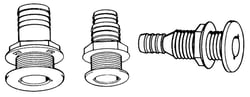
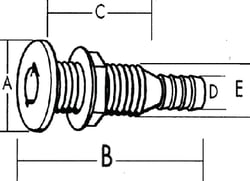
A complete thru-hull assembly is made up of two distinct parts: the skin fitting and the seacock. The skin fitting is the piece that passes through the hull, typically featuring a mushroom-shaped or flush head on the exterior and a threaded pipe on the interior. The seacock is the valve attached directly to the skin fitting on the inside of the boat — it's the mechanism that controls water flow and can shut it off in an emergency. Because a failure in this assembly can lead to rapid flooding, every component must be properly rated for marine use.
Common Applications
Thru-hull fittings are used across a wide range of onboard systems. Common applications include:
- Engine cooling water intake
- Bilge pump discharge
- Cockpit and deck drains
- Livewell and baitwell intake
- Air conditioning seawater circuits
- Transducer and depth sounder installations
- Holding tank and head plumbing discharge
Choosing the Right Material
Material selection is one of the most important decisions when shopping for thru-hull fittings. The marine environment — especially saltwater — is highly corrosive, so the wrong material can lead to premature failure with serious consequences.
- Bronze: A traditional and highly reliable choice for metal fittings due to its durability and proven resistance to saltwater corrosion. Bronze is widely considered the benchmark for below-waterline installations.
- DZR Brass: Dezincification-resistant brass includes small amounts of tin and arsenic to prevent the leaching of zinc that weakens standard brass over time, making it far more suitable for marine use than common brass alloys.
- Composite / Polymer (e.g., Marelon®): Modern glass-reinforced polymer composites are completely immune to galvanic and crevice corrosion, making them an excellent option in both fresh and saltwater. These fittings are also significantly lighter than metal alternatives.
- Stainless Steel 316: Offers good corrosion resistance above the waterline but can be susceptible to crevice corrosion where it contacts other materials in submerged applications.
Key Shopping Considerations
Beyond material, there are several other factors to evaluate when selecting thru-hull fittings. Thread type matters — National Pipe Straight (NPS/NPSM) threads are the standard for marine thru-hulls, and mismatching thread types can result in a false seal that fails over time. Port size is equally critical: using a fitting that is too small can restrict water intake for engines or air conditioning units leading to overheating, while an oversized fitting may introduce additional leak points. Always verify ABYC H-27 and ISO 9093-2 compliance for any below-waterline fitting.
Routine maintenance is non-negotiable. Inspect fittings annually for corrosion, weeping, or wear, and exercise seacock handles at least every three months to prevent them from seizing in the open position. Budget for replacement every 10–15 years depending on material and operating environment.
Top Brands in Thru-Hull Fittings
When it comes to trusted names in marine thru-hull fittings, Forespar stands at the top of the category. Forespar has been a leader in modern composite marine plumbing since 1967, supplying their proprietary Marelon® glass-reinforced polymer thru-hulls and seacocks to the world's top boat builders. Their Marelon fittings are precision-molded for complete freedom from corrosion and electrolysis, meet or exceed ABYC H-27 and ISO 9093-2 standards, and are UL approved — making them a go-to choice for both original equipment and retrofit installations on sailboats and powerboats alike.