



Transom Exhaust Fittings
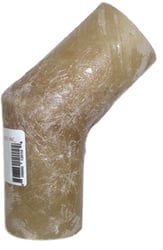


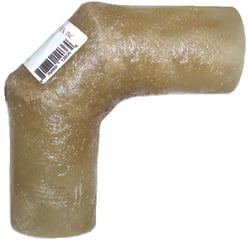
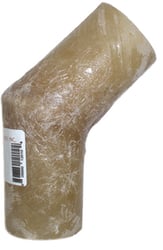
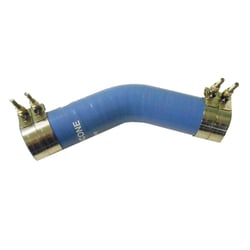
Trident Marine 242V2120-S/S 2.5 Inch 45 Degree Blue Silicone Wet Exhaust Elbow with T-Bolt Clamps

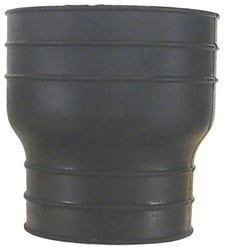
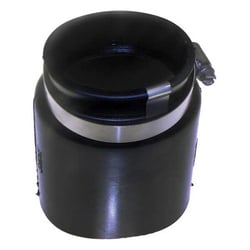
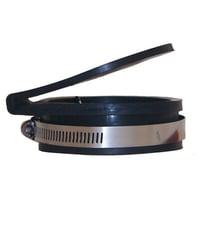
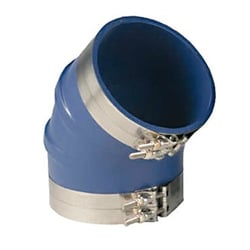
Trident Marine 240V6000-S/S 6" ID 45-Degree Blue Silicone Wet Exhaust Elbow with Stainless Clamps
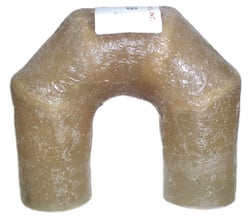
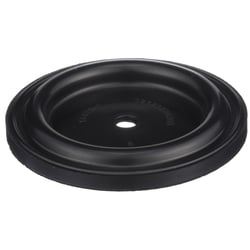
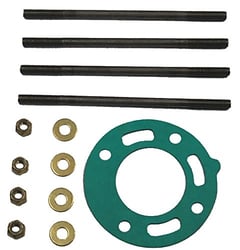

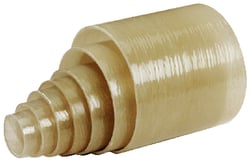
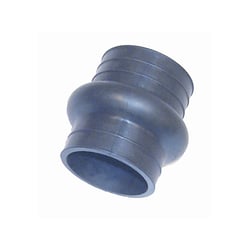
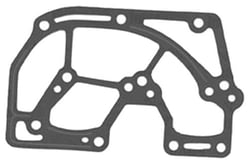

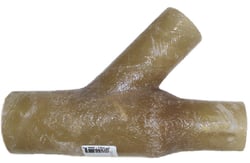
Quicksilver 8M0115149 Collector Exhaust Y-Pipe Assembly for MerCruiser Engines

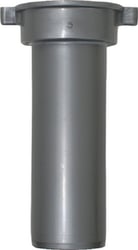

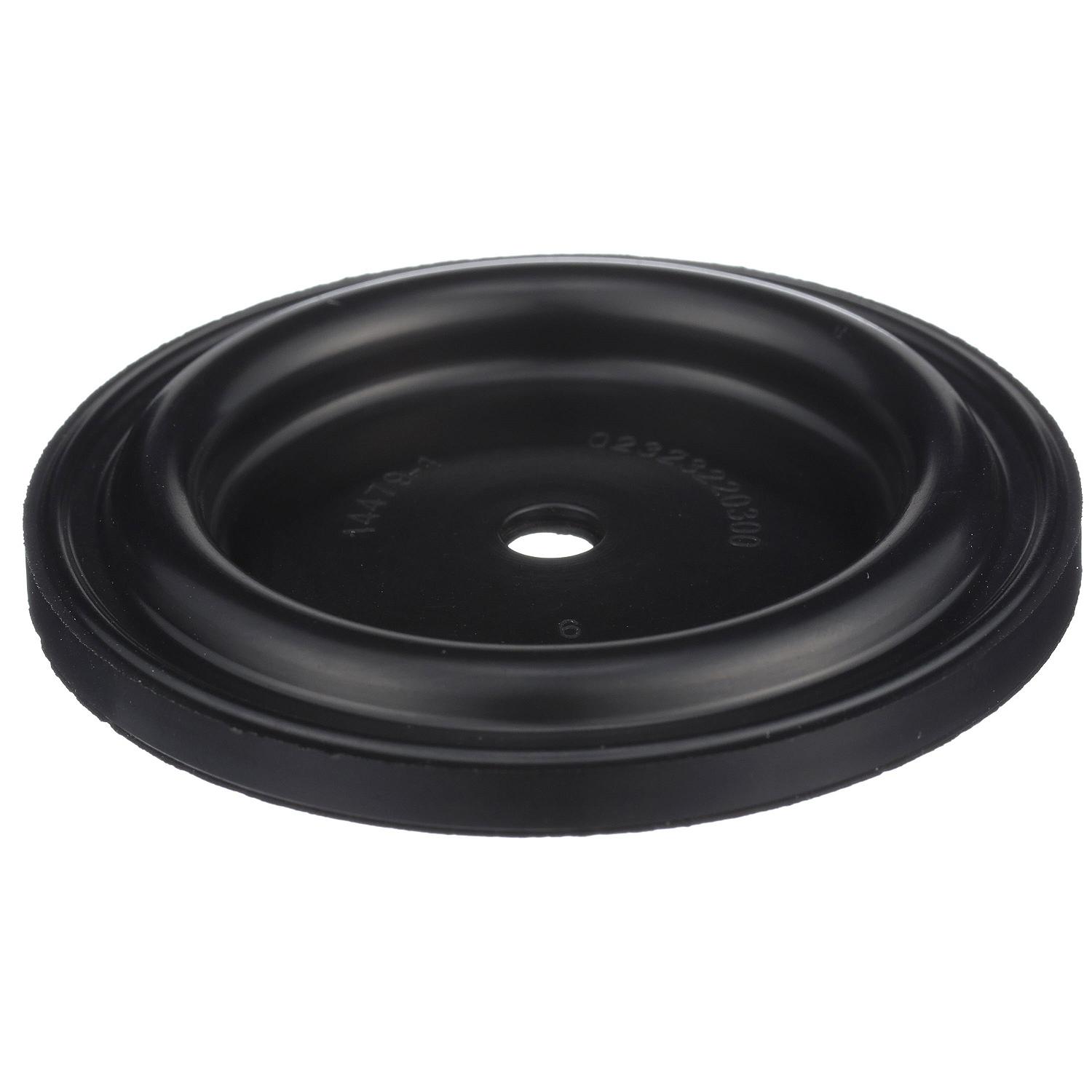 Representative Photo, actual item may vary
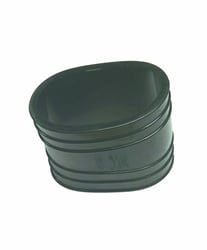
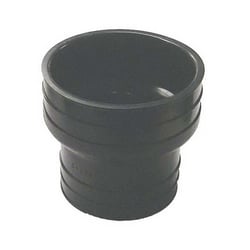
What Are Transom Exhaust Fittings?
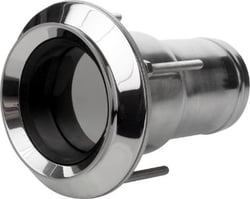
Transom exhaust fittings — also called thru-hull exhaust fittings — are the critical interface between your boat's internal exhaust system and the open water behind the vessel. Mounted directly through the transom (the rear wall of the hull), these fittings channel combustion gases and cooling water out of the boat safely and efficiently. They may seem like simple hardware, but they play a vital role in both engine performance and onboard safety.
The primary purpose of a marine exhaust system is to safely move combustion by-products out through a tight space as efficiently as possible without creating too much backpressure. Transom exhaust fittings are the last link in that chain, and a failed or improperly fitted unit can have serious consequences.
Why Transom Exhaust Fittings Matter
Water ingress through the exhaust outlet is one of the most serious hazards in recreational boating. If water surges back through a damaged or missing flapper — the rubber check valve built into many fittings — it can travel up the exhaust line and into the engine itself, causing catastrophic hydro-lock damage in a matter of seconds. Transom exhaust fittings with properly functioning flapper valves form a critical barrier against this type of failure, especially when a vessel is at rest in choppy water or slowing down rapidly.
Beyond safety, well-designed fittings optimize exhaust flow while minimizing backpressure, directly supporting engine efficiency. Material choice matters too — fittings must withstand constant exposure to saltwater, UV radiation, exhaust heat, and mechanical vibration. Common materials include cast bronze, polished stainless steel, and advanced compression-molded fiberglass composites, each offering a different balance of weight, corrosion resistance, and longevity.
What to Look for When Shopping
- Diameter: Match the fitting's inner diameter precisely to your exhaust hose to avoid restrictions or leaks.
- Material: Fiberglass composite fittings resist corrosion and are lightweight; bronze and stainless steel offer proven durability in harsh saltwater environments.
- Flapper valve: Look for a weighted rubber flap that seals reliably at rest and opens freely under exhaust flow.
- Certification: Lloyd's Register Type Approval and ABYC compliance are indicators of a rigorously tested product.
- Color and finish: Many fittings are available in black or white to blend cleanly with the transom gel coat.
Top Brands in Transom Exhaust Fittings
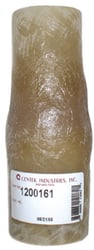
Centek is the dominant name in this category, and for good reason. Since 1962, Centek Marine has engineered exhaust systems for commercial and recreational vessels worldwide. Their thru-hull fittings are constructed from compression-molded fiberglass and will not corrode like conventional bronze or stainless steel fittings, and are available with a weighted rubber flap to help prevent backflow. All Centek thru-hull fittings carry Lloyd's Register Type Approval, reflecting the brand's commitment to meeting the most demanding marine standards.
Sea-Dog Line brings decades of marine hardware expertise to the transom exhaust fitting market. Sea-Dog designs hardware specifically for harsh marine environments and backs its products with access to ABYC-certified technical support, making them a reliable choice for safety-minded boat owners and builders.
Quicksilver is a trusted name among Mercury Marine owners. Quicksilver has been the premier supplier of Mercury Marine original equipment replacement parts for over 65 years, and their transom exhaust components are engineered and tested to OEM specifications for a precision fit.
Trident Marine is a well-regarded manufacturer in the wet exhaust space, known for a broad range of marine exhaust hoses and fittings designed to handle the demands of inboard and sterndrive applications.
Sierra rounds out the category with a wide selection of marine engine replacement parts. Sierra is a go-to source for boaters seeking aftermarket-compatible exhaust components that span a broad range of engine makes and models.