



Wind Speed Indicators
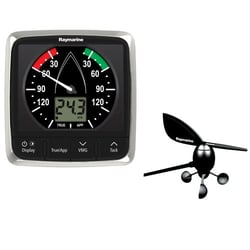

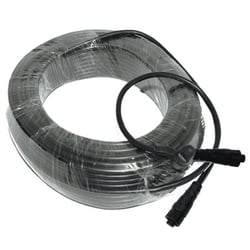


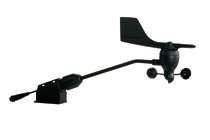

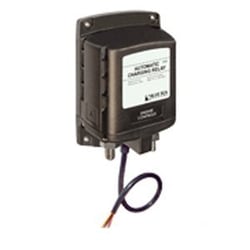
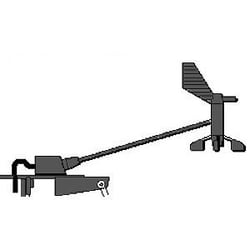
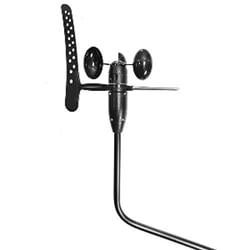

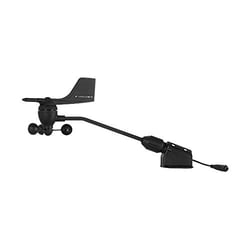
 Representative Photo, actual item may vary
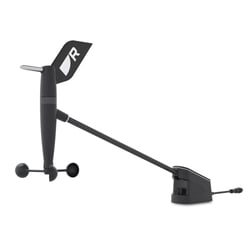
B&G Suspension 000-14382-001 WS310 Wired Wind Sensor Pack with 20M Cable
 Representative Photo, actual item may vary

 Representative Photo, actual item may vary
 Representative Photo, actual item may vary
 Representative Photo, actual item may vary
 Representative Photo, actual item may vary
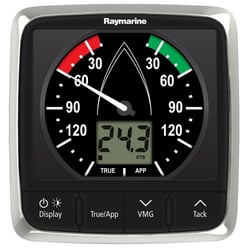
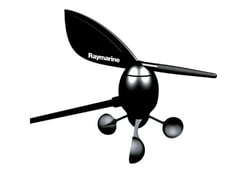
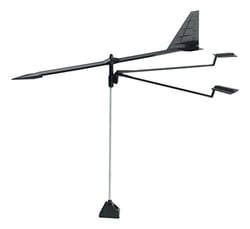

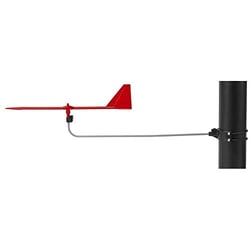
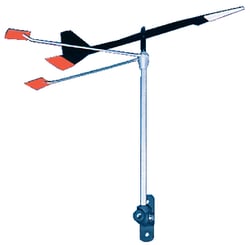
Schaefer Marine H006F00 Hawk Race Apparent Wind Indicator for Single-Handed Dinghies
 Representative Photo, actual item may vary

What Are Wind Speed Indicators?
A wind speed indicator — commonly called a marine anemometer — is one of the most fundamental instruments a sailor can have aboard. Understanding both wind speed and direction is at the heart of every sailing decision, from choosing the right sail to planning a safe course. Whether you're racing around the buoys or cruising offshore, knowing exactly what the wind is doing in real time gives you the edge you need to sail safely and efficiently.
Wind speed indicators work by measuring the force and velocity of the wind acting on your vessel. Most wind speed indicators consist of a sensor assembly — typically mounted at the masthead — that captures apparent wind data and feeds it to a cockpit display. Most sailboats rely on a masthead transducer assembly that combines an electronic wind vane to sense apparent wind angle with rotating cups or ultrasonic elements to measure wind speed. Some advanced systems can even calculate true wind speed when combined with boat speed data from a knotmeter.
Why Wind Speed Indicators Matter on the Water
The importance of monitoring wind speed cannot be overstated. Wind speed instruments help sailors make critical, real-time decisions: when to reef, when to shake out a reef, which sails to carry on the next leg, and when to head for shelter. Too much wind can lead to instability, while too little impedes progress — a quality wind speed indicator helps you find and maintain the sweet spot for performance and safety. In more serious conditions, accurate wind speed data allows crews to take proactive measures well before a storm overtakes them.
Beyond safety, wind speed data directly impacts sail trim and boat speed. By knowing current wind speed alongside apparent wind angle, sailors can select the optimal sail combination and trim each sail for maximum efficiency — a significant advantage in both cruising and competitive racing.
What to Look for When Shopping Wind Speed Indicators
- Display Type: Choose between analog pointer displays for intuitive readability or precise digital readouts in knots and degrees.
- Wired vs. Wireless: Wireless wind instruments simplify installation by eliminating mast wiring, while wired systems offer reliability on offshore passages.
- Network Compatibility: Most modern instruments are NMEA 2000 compatible, allowing seamless data sharing with chartplotters, autopilots, and multifunction displays.
- Durability: Look for marine-grade construction — UV-protected housings, sealed bearings, and corrosion-resistant materials are essential for saltwater environments.
- Sensor Sensitivity: Instruments that respond accurately in light air are especially valuable for racing sailors and those cruising in variable conditions.
Top Brands in Wind Speed Indicators
Davis Instruments is a trusted name in marine instrumentation with a long-standing reputation for producing reliable, accurate, and accessible sailing instruments. Known for combining solid engineering with practical sailor-focused design, Davis Instruments offers wind measurement products that are well-regarded by both weekend sailors and serious bluewater cruisers alike.