



Windlasses
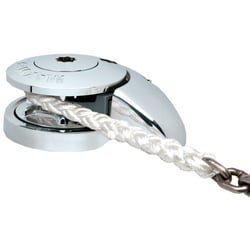

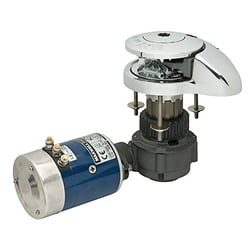
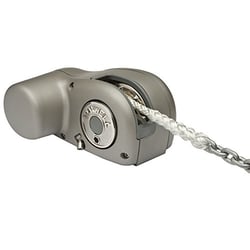
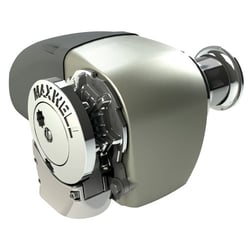
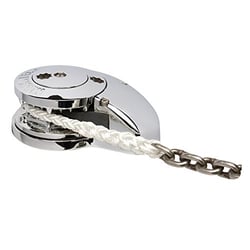
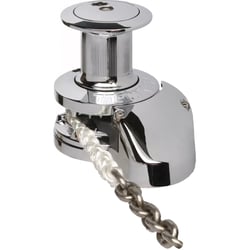
Maxwell RC101012V Automatic Rope Chain Windlass 3/8" HT Chain to 5/8" Rope
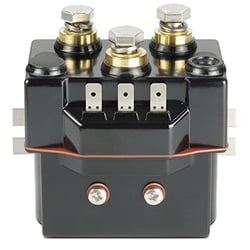
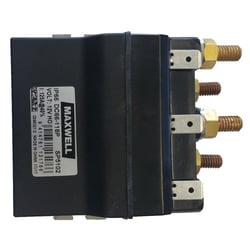
Quick FTT631512000B00 T6315-12 Non-Reversing Windlass Solenoid Contactor 12V

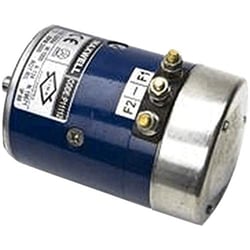
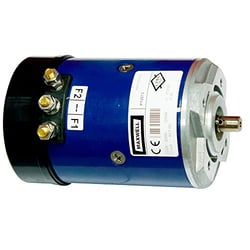
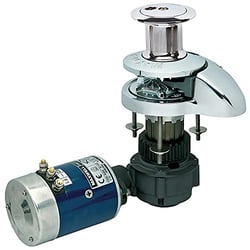
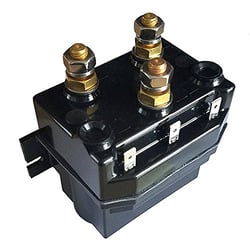
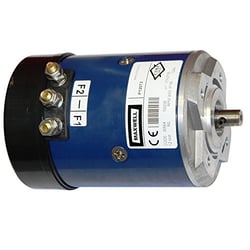
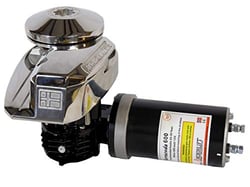
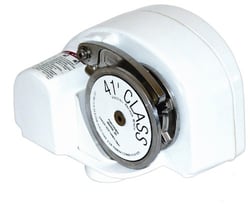

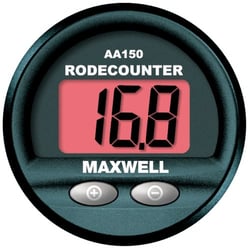
 Representative Photo, actual item may vary

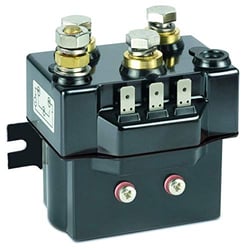
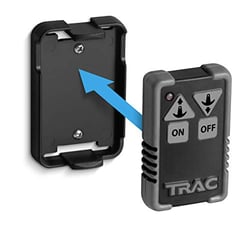
Quick FTT641512000B00 T6415-12 Reversing Solenoid 12V for Windlass Motors

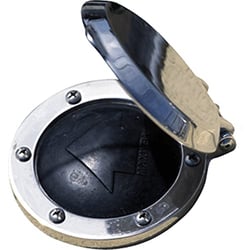
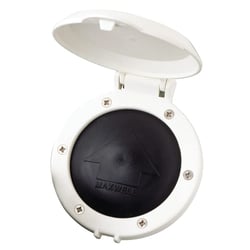
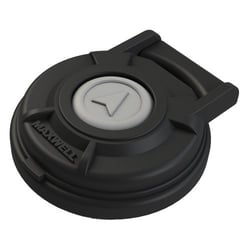
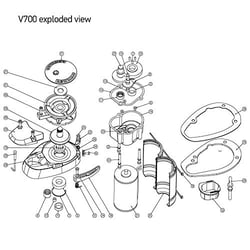
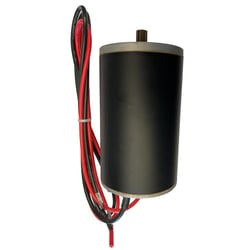
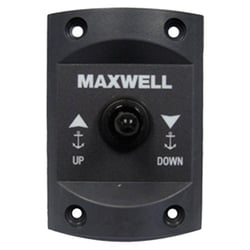
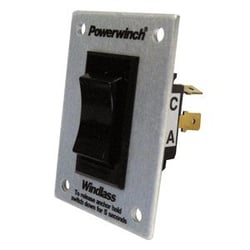
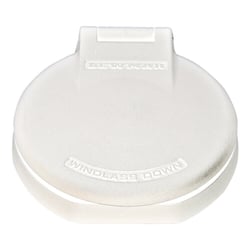
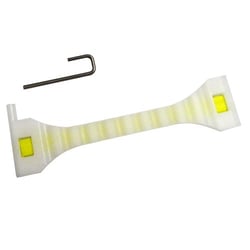
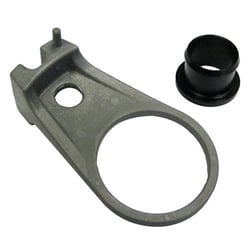
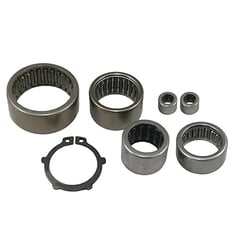
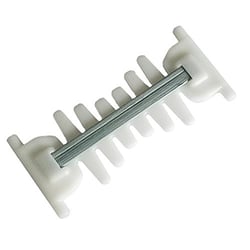
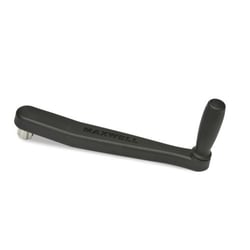
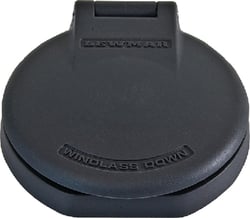
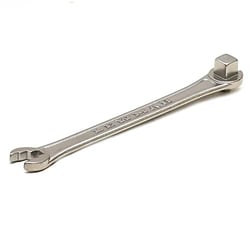
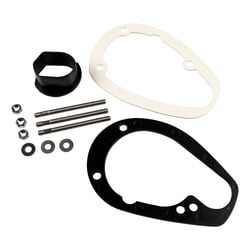
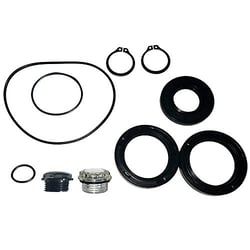
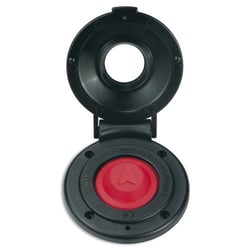
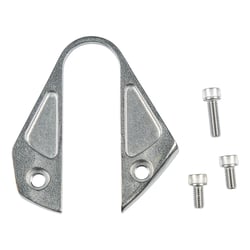
 Representative Photo, actual item may vary
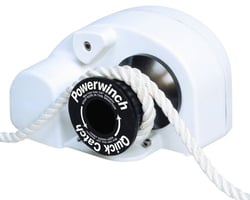
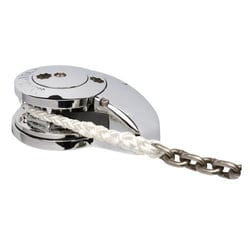
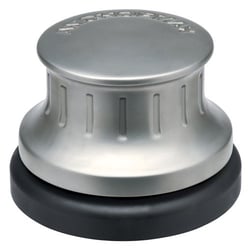
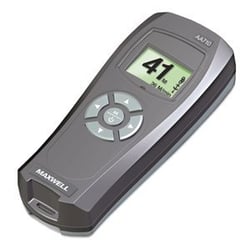

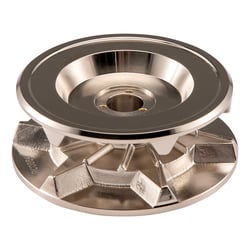
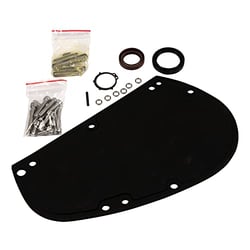
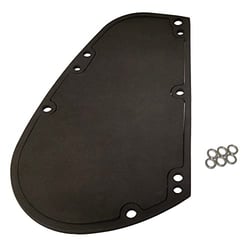
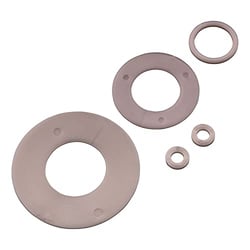

What Is a Marine Windlass?
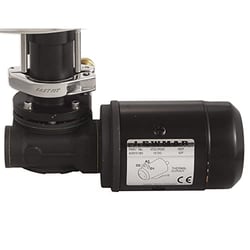
A windlass is a motorized or manual mechanical device mounted on a boat's bow that handles the deployment and retrieval of an anchor and its rode — the combination of rope, chain, or both that connects the anchor to the vessel. Rather than hauling heavy ground tackle by hand, a windlass does the heavy lifting for you, making anchoring safer, faster, and far less fatiguing. For any boater who anchors regularly, a quality windlass is one of the most practical upgrades you can make to your vessel.
Vertical vs. Horizontal Windlasses
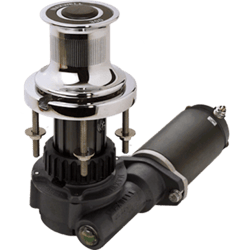
Understanding the difference between vertical and horizontal windlass configurations is the most important first step when shopping for one. Vertical windlasses house most of the motor and gearbox below deck, making them a low-profile choice ideal for vessels with deep anchor lockers. Horizontal windlasses sit entirely above deck and are better suited to boats with shallow anchor lockers or limited below-deck space. Both styles are available in electric and manual variants and can handle chain, rope, or a combination of both, depending on the model's gypsy (the grooved wheel that engages the chain or rope).
Key Considerations When Choosing a Windlass
- Boat size and displacement: A windlass should have a maximum pull rating of at least three times the total weight of your anchor system — anchor, chain, rope, and shackles combined.
- Chain and rope compatibility: The gypsy on your windlass must match the size and type of chain or rope you intend to use. Mismatched combinations can cause slipping or damage.
- Power source: Most electric windlasses run on 12V DC systems. Confirm your boat's electrical capacity can handle the load, especially on longer retrieval runs.
- Installation space: Measure your deck footprint and anchor locker depth carefully before selecting a vertical or horizontal model.
- Free-fall capability: Many modern windlasses offer a free-fall feature that lets the anchor drop rapidly under gravity without consuming battery power — a major convenience when anchoring in deeper water.
Top Windlass Brands
Maxwell is the dominant name in marine windlasses. Founded in 1969 by Graeme Maxwell Cundy in Auckland, New Zealand, Maxwell Manufacturing has since been incorporated under the Vetus brand and subsequently within the Yanmar global umbrella, while continuing to operate out of Auckland. For more than 50 years, Maxwell Marine has been a leader and pioneer in windlasses and anchoring solutions for recreational boats, super yachts, and commercial vessels. Maxwell windlasses are available in a wide variety of models, including vertical and horizontal designs that work with chain, rope, or both. Maxwell's pioneering spirit was evident when the company introduced the world to automatic rope/chain windlasses in the mid-1990s.
Powerwinch brings decades of American marine heritage to the windlass category. Powerwinch has been a trusted name in the marine industry for over 50 years, specializing in manufacturing high-quality trailer winches and anchor windlasses. Powerwinch anchor windlasses are designed for efficient anchor handling, providing both free-fall and power retrieval options, with models like the Class 31 Free-Fall Anchor Windlass suited for boats up to 31 feet.
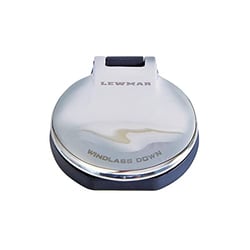
Lewmar is a globally recognized authority in marine deck hardware. Lewmar is a world-renowned manufacturer of high-quality windlasses and anchors, founded in the UK in 1946, building a strong reputation for innovation, reliability, and precision engineering — and by the 1960s had introduced windlass and winch products with superior ease of use. The focus of Lewmar windlass design is on simplicity of use, reliability in harsh marine environments, and an uncomplicated fitting process.
Camco rounds out the lineup with practical windlass accessories and supporting hardware, offering budget-conscious boaters reliable components to complement or maintain their existing anchoring systems.