



Wire & Cable
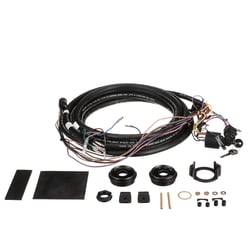
Quicksilver 816626A20 Engine to Helm Wiring Harness 20 Ft 8-Pin Marine Outboard

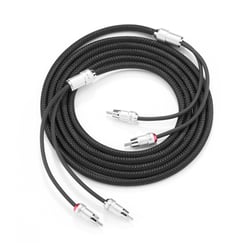
Walker Bay Boats JL Audio Premium RCA Audio Interconnect Cable Electronics Parts & Accessories

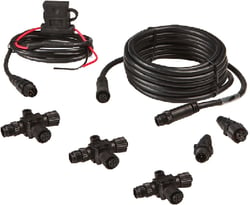





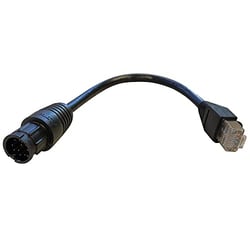
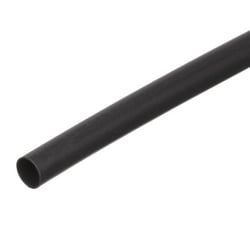
Seachoice 60451 Marine Grade Heat Shrink Tubing with Sealant 1/4 Inch x 48 Inch Black

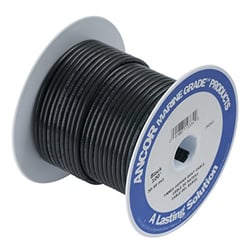
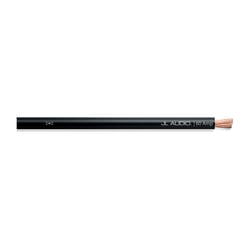
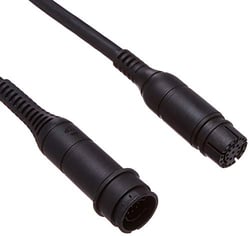
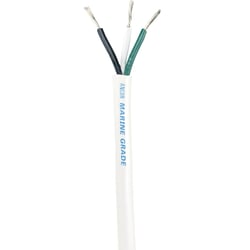
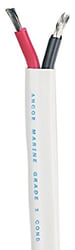
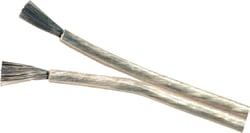
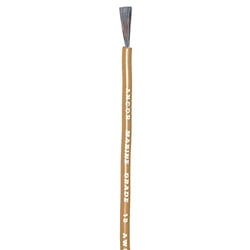
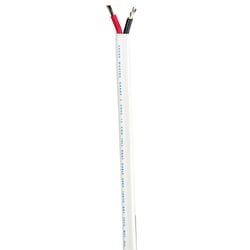
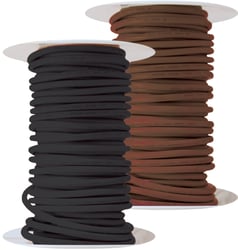

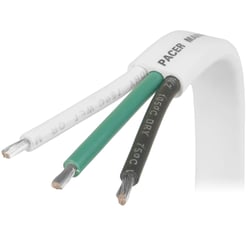

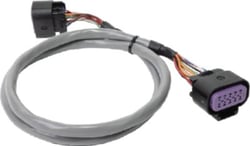

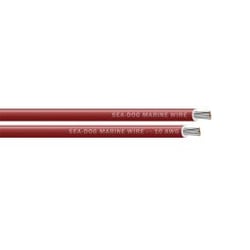
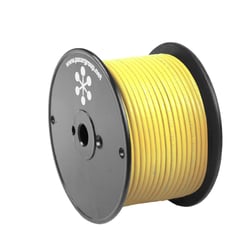
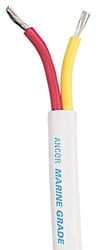
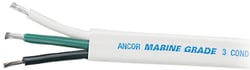
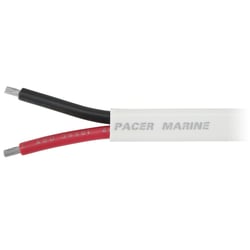
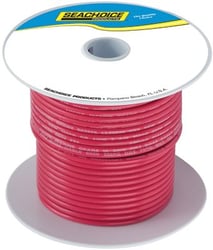
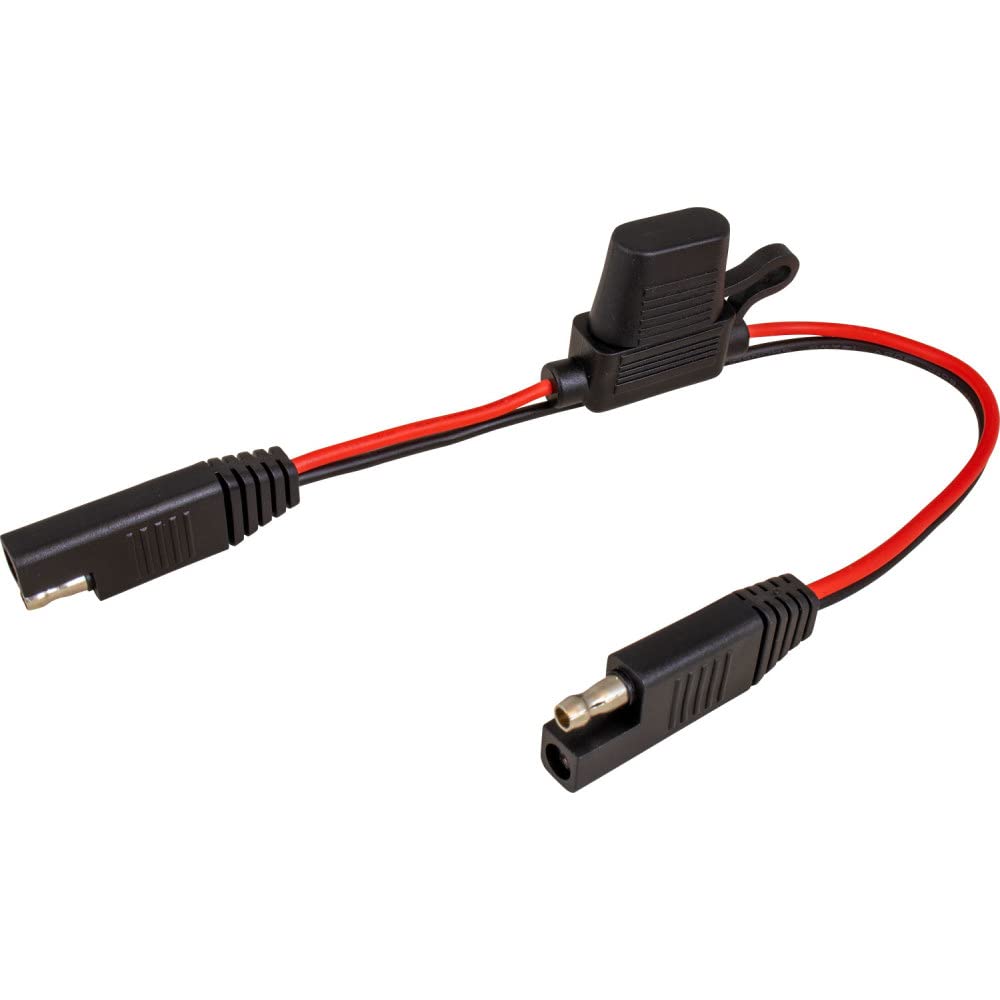 Representative Photo, actual item may vary
Sea-Dog Line Duplex Marine Wire

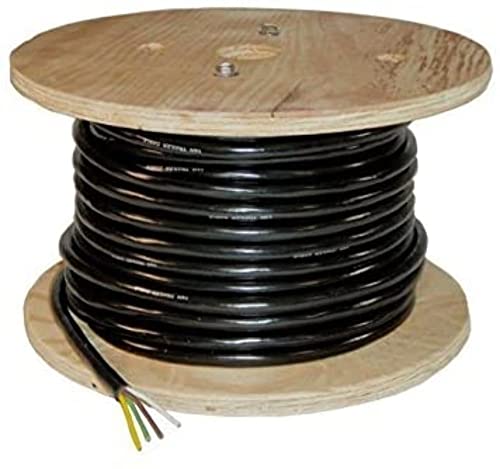 Representative Photo, actual item may vary
East Penn Cable Wire

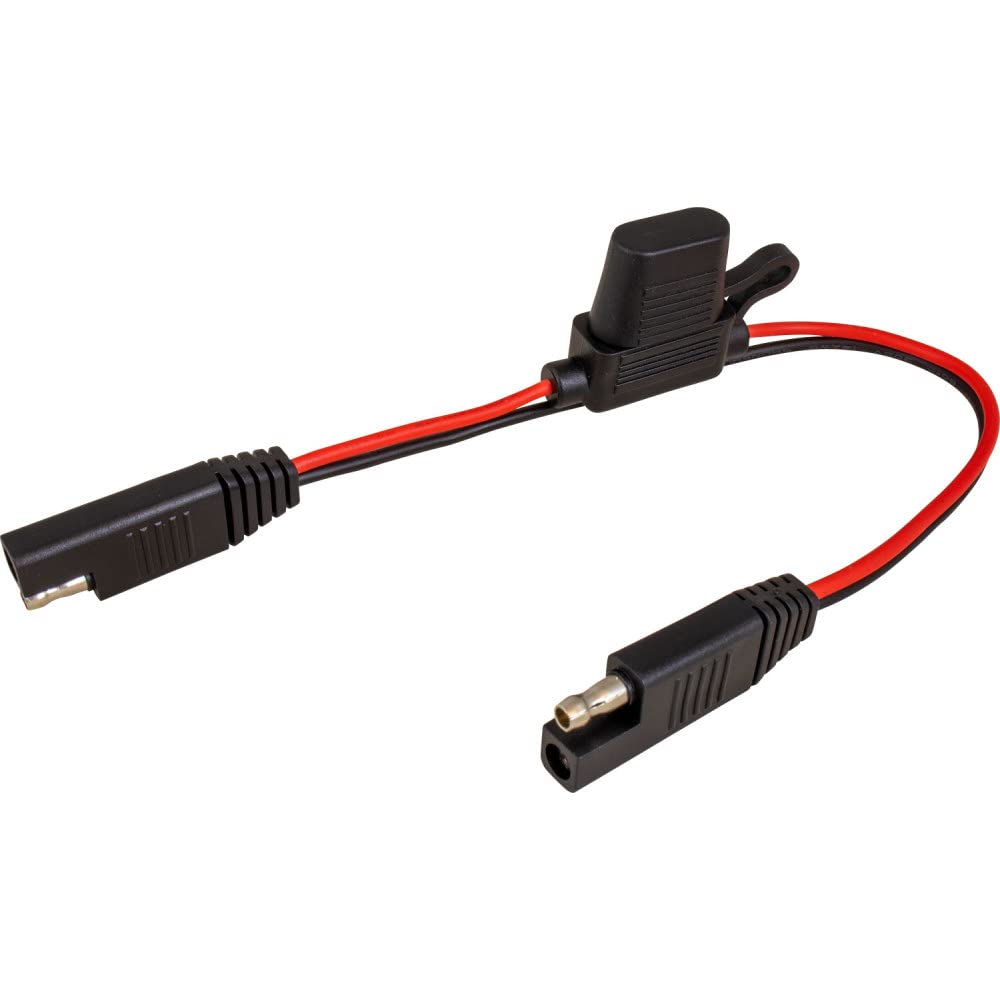 Representative Photo, actual item may vary
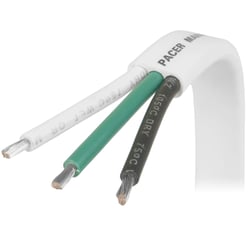
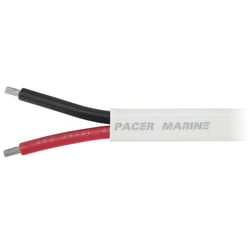
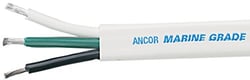
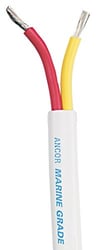
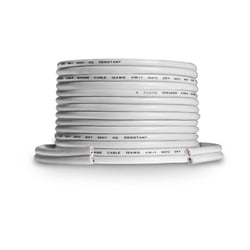

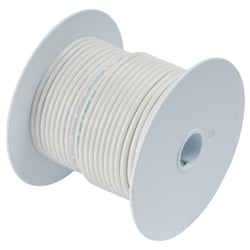

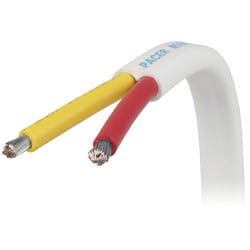
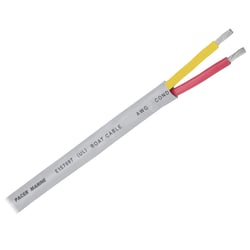
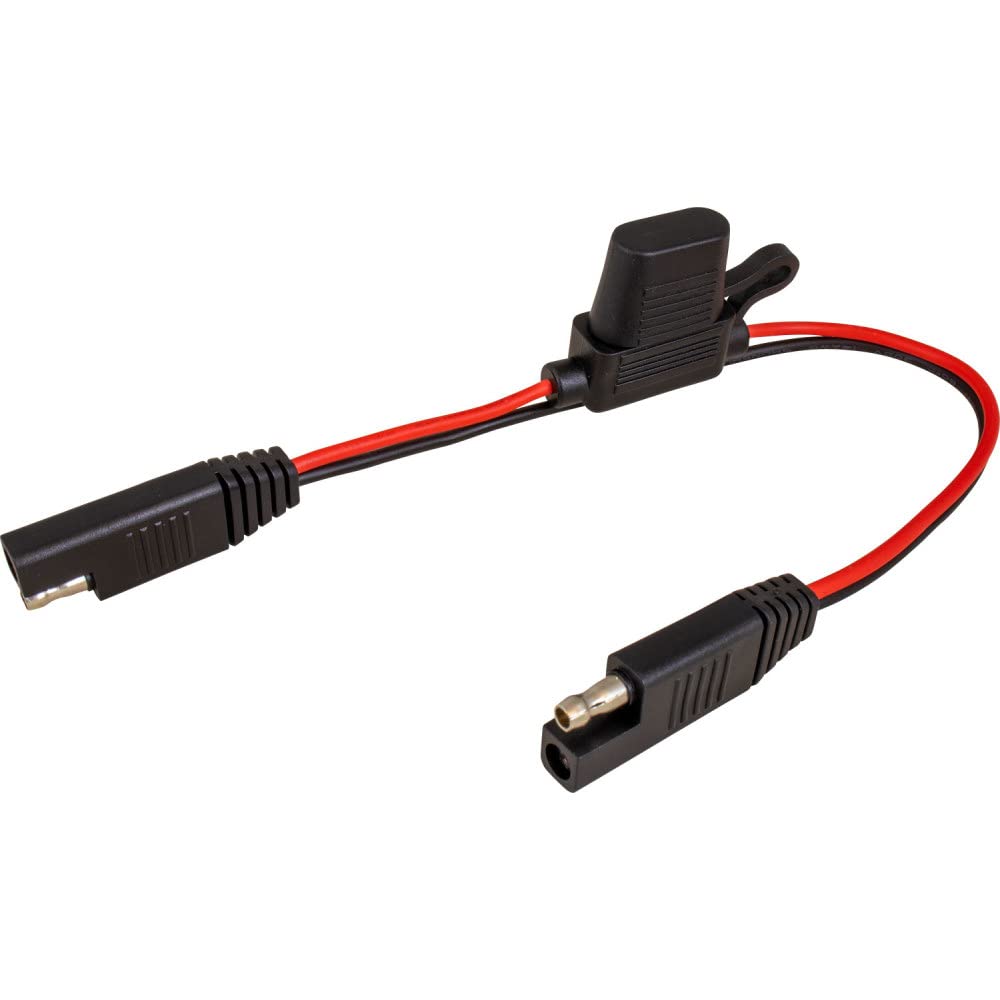 Representative Photo, actual item may vary
Sea-Dog Line Flat Duplex Safety Wire

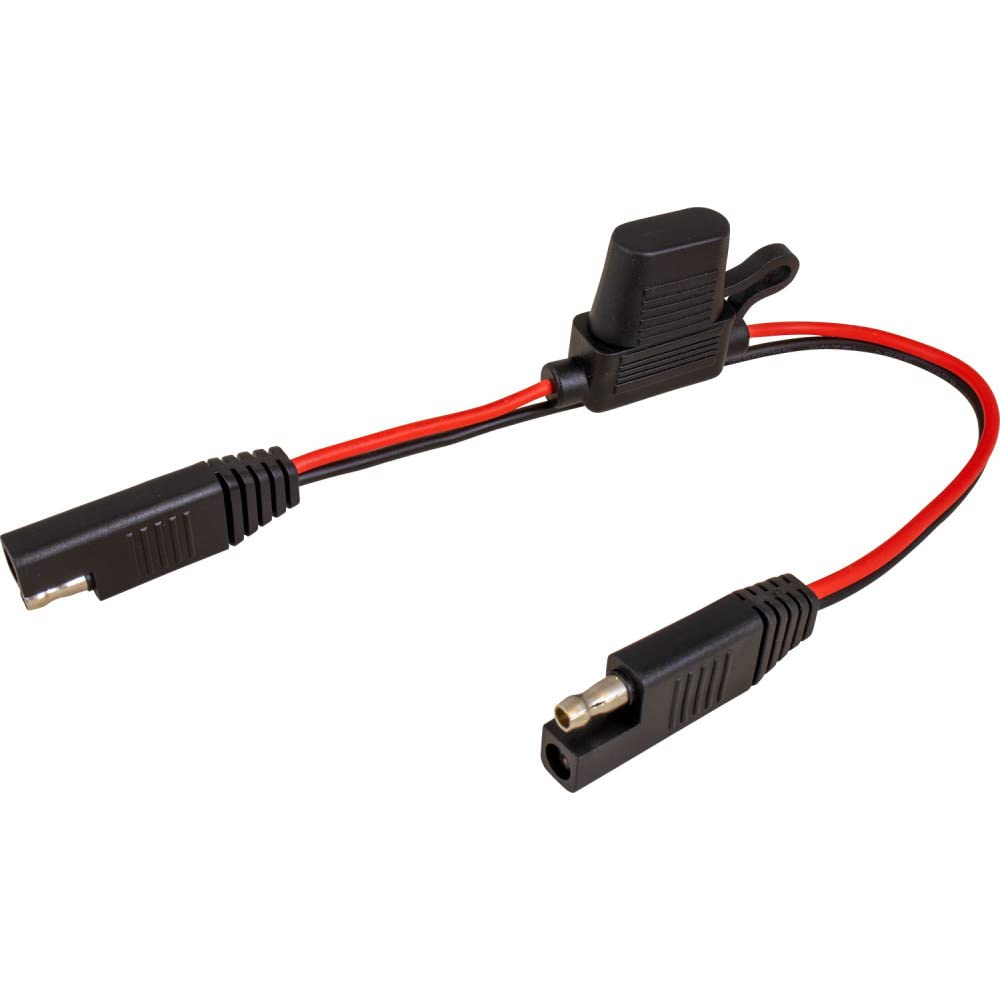 Representative Photo, actual item may vary
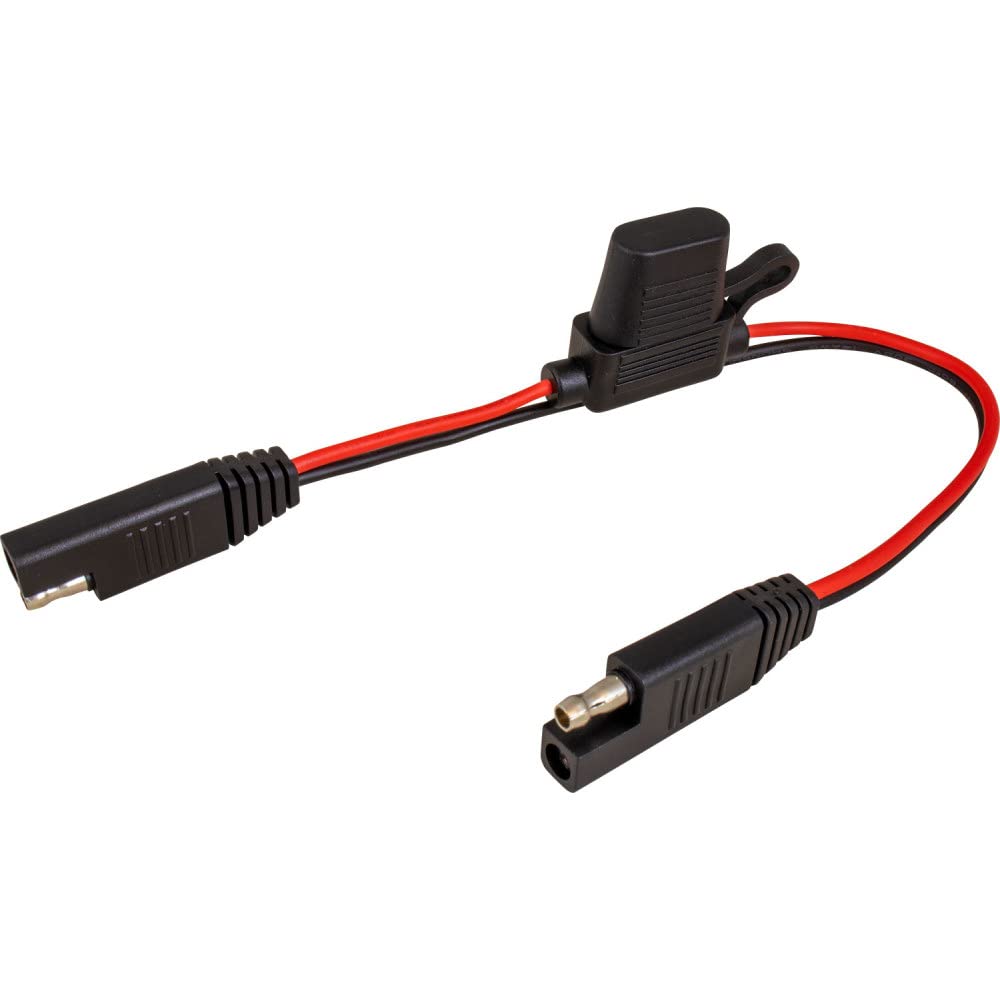 Representative Photo, actual item may vary
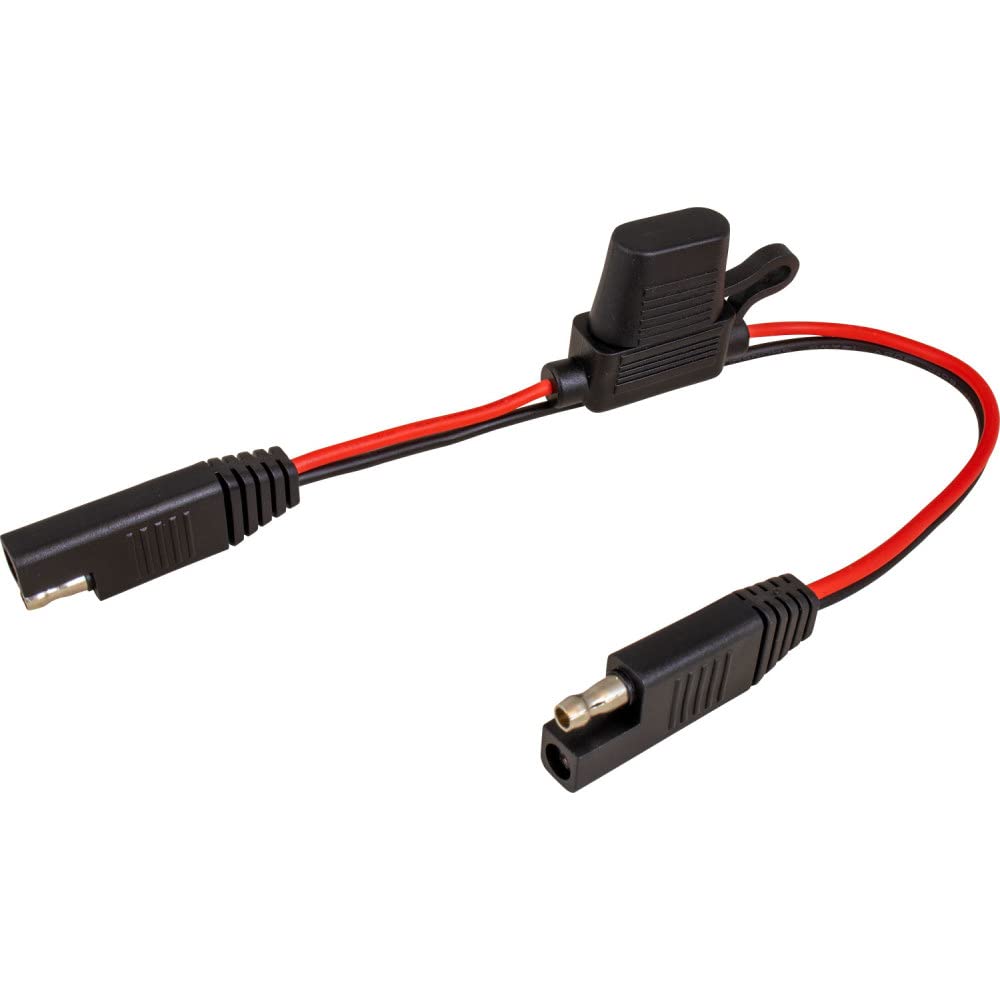 Representative Photo, actual item may vary
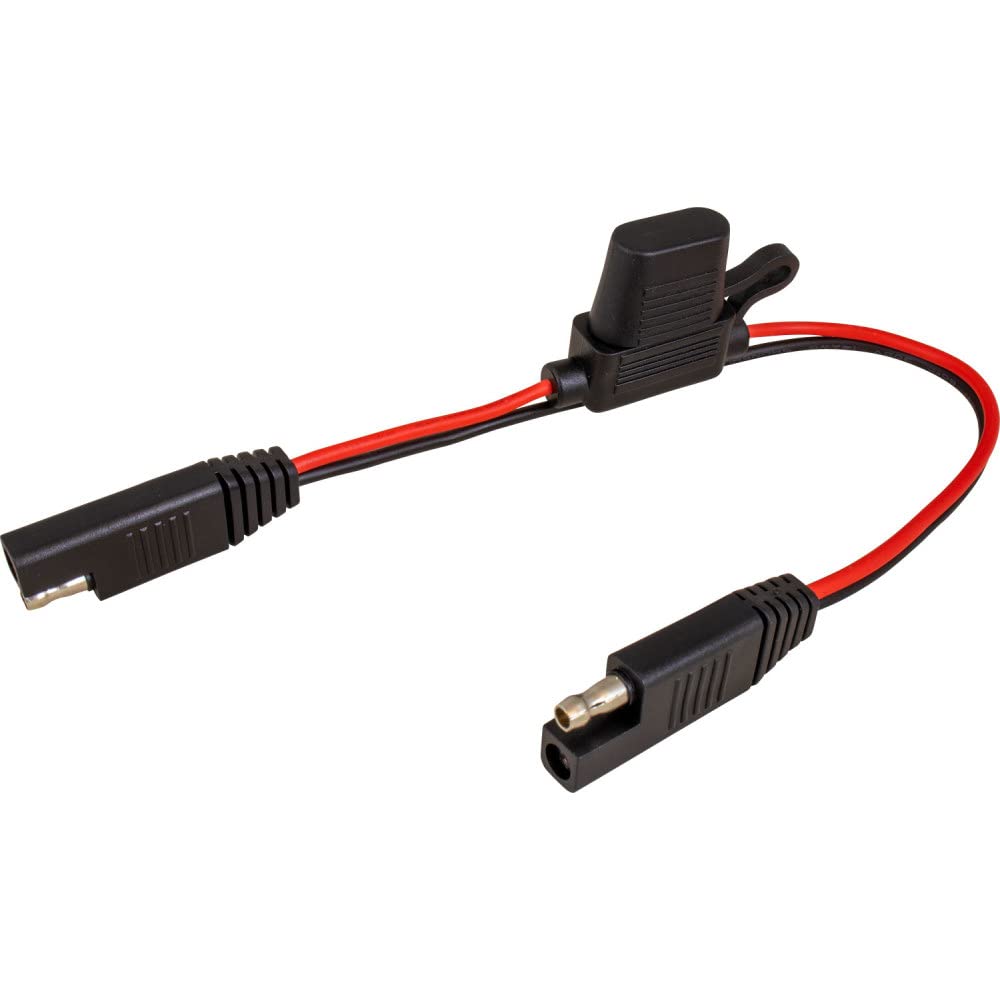 Representative Photo, actual item may vary
Why Marine-Grade Wire & Cable Matters
When it comes to electrical systems on a boat or RV, not just any wire will do. Standard household or automotive wire is engineered for dry, stable environments — but the marine and RV world demands far more. Constant exposure to moisture, salt air, vibration, and the corrosive effects of bilge fumes means that electrical wiring must be purpose-built to survive. That's why marine-grade and RV-rated wire and cable are constructed to different, more rigorous standards: tinned copper conductors resist corrosion from the inside out, thicker insulation stands up to abrasion, and multi-strand cores flex without fatigue even in tight engine compartments or behind cabin panels.
Choosing the correct wire gauge is equally critical. An undersized wire generates heat and voltage drop, which can degrade electronics, drain batteries faster, and — in worst cases — become a fire hazard. Whether you're running a single bilge pump circuit or wiring a full electronics network with chartplotters, radar, and autopilots, matching wire gauge to the amperage load and run length is the foundation of a safe, reliable electrical system.
Types of Marine & RV Wire and Cable
- Tinned Copper Primary Wire: The workhorse of marine electrical installations. Used for most 12V and 24V DC circuits including lighting, pumps, and accessories.
- Battery Cable: Heavy-gauge cable designed for high-current connections between batteries, engines, and distribution panels.
- Duplex & Triplex Cable: Multi-conductor cables with paired or triple conductors in a single jacket — ideal for running power and ground in one neat run.
- Network & Data Cable: Specialized cables for connecting marine electronics, including NMEA 2000, Ethernet, and proprietary network protocols used by chartplotters and instruments.
- Shore Power Cable: Heavy-duty cable rated for AC power connections between the dock and the vessel.
Top Brands in Marine & RV Wire and Cable
Ancor is widely regarded as the gold standard for marine electrical wire and cable. Ancor products are built to ABYC (American Boat and Yacht Council) and UL standards, using tinned copper conductors and color-coded, oil- and UV-resistant insulation — making them a top choice for both professional marine electricians and serious DIY boaters.
Raymarine brings purpose-engineered cabling solutions designed specifically to integrate their world-class marine electronics ecosystem. RayNet is Raymarine's high-speed marine Ethernet cable system that interfaces chartplotters, radar, sonar modules, and other high-bandwidth devices, equipped with waterproof connectors for rugged, reliable connections. Raymarine SeaTalk NG cables and components form the vital data bus used to connect marine electronics on a vessel, with backbone cables running the main length of the boat and supplying both power and unified communication to navigation instruments.
Wire (East Penn Mfg Co) is a manufacturer with deep roots in wire and cable production. East Penn has one of the most comprehensive offerings of wire and cable products for automotive, marine, commercial, lawn & garden, RV, trailers, and many more applications — making them the largest provider of cable products in North America. East Penn manufactures marine wire and cable under its Deka and Marine Master brands , delivering proven performance across the harshest on-water environments.
Pacer Performance is a respected name in specialty wire and cable, particularly known for providing quality primary wire, tinned marine wire, and custom-length bulk cable that suits both RV and marine applications where flexibility and value are priorities.
Fireye rounds out the top brands with focused cable solutions suited to marine electronics and control wiring, offering reliable connectivity for systems that need consistent signal integrity in demanding environments.
What to Look for When Shopping Marine Wire & Cable
Beyond gauge and insulation type, always verify that wire is rated for its intended location — "boat cable" rated for wet or damp locations differs from wire only rated for dry areas. Look for UL 1426 marine certification as a benchmark for quality. For networking and electronics, always use manufacturer-specified cables to preserve warranty coverage and ensure signal integrity across protocols like NMEA 2000 or proprietary systems like Raymarine's SeaTalk NG. Finally, buy a little more than you think you'll need — rewiring a marine circuit mid-project is far more costly than a few extra feet of cable at the outset.