



Wood Varnishes
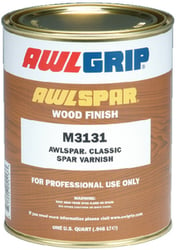

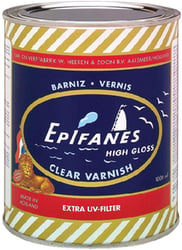

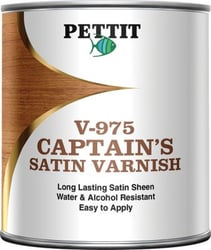
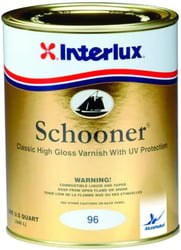
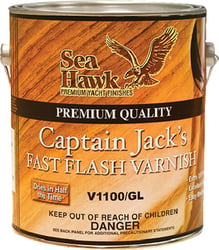
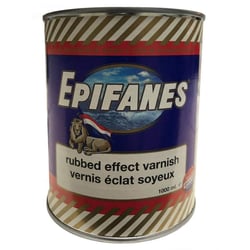
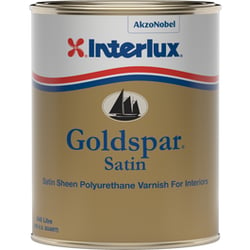

 Representative Photo, actual item may vary
 Representative Photo, actual item may vary
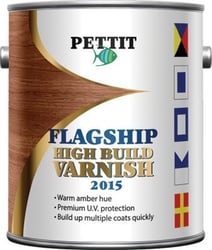
 Representative Photo, actual item may vary

 Representative Photo, actual item may vary
 Representative Photo, actual item may vary
What Is Wood Varnish and Why Does It Matter?
Wood varnish is one of the most important protective coatings you can apply to exposed timber — whether on a classic wooden boat, a set of dock railings, exterior trim, or outdoor furniture. Unlike paint, varnish forms a clear or semi-transparent film that seals and protects while still showing off the natural beauty of the wood grain beneath it. The result is a finish that is both functional and visually striking.
In marine and outdoor environments, wood faces a relentless combination of threats: moisture that causes swelling, warping, and rot; UV radiation that fades and degrades the surface; salt air that accelerates oxidation; and the constant expansion and contraction of the wood itself as temperatures and humidity fluctuate. Standard household varnishes simply aren't up to these challenges. That's where marine-grade wood varnishes — often referred to as spar varnishes — set themselves apart.
What Makes Marine Spar Varnish Different?
Spar varnish is specifically formulated to move with the wood. Unlike conventional varnishes, it accommodates the natural expansion and contraction caused by changing temperatures and humidity levels, which is crucial in demanding outdoor and marine settings. Key performance features to look for include:
- UV Protection: Marine varnishes contain UV inhibitors that act as a sunscreen for wood, preventing discoloration and maintaining the rich, natural tones of the grain.
- Water Resistance: A quality spar varnish creates a barrier that repels moisture, protecting wood fibers from swelling, warping, and rot.
- Flexibility: The flexible formula allows it to move with the wood, reducing the risk of cracking and peeling even under extreme conditions.
- Finish Options: Most marine varnishes are available in gloss, semi-gloss, or satin sheens, giving you control over the final look of your brightwork.
Wood varnish is typically applied above the waterline — on handrails, trim, cabin soles, teak decks, transoms, and interior joinery — where it needs to look beautiful while withstanding sun, spray, and weather. Routine maintenance, such as lightly sanding and applying fresh coats as the finish begins to dull, keeps UV protection active and extends the life of the underlying wood significantly.
Key Considerations When Choosing a Wood Varnish
When shopping for a wood varnish, think about your application environment first. High-UV coastal or tropical climates demand the most robust UV absorbers and the most frequent re-coat schedules. Consider whether an oil-based or water-based formula better suits your project — oil-based varnishes typically offer stronger flexibility and a warm amber tone, while water-based options can offer easier cleanup and lower VOC content. Always ensure proper surface preparation: the wood must be clean, dry, and free of contaminants before the first coat goes on for maximum adhesion and longevity.
Top Brands in Wood Varnishes
When it comes to marine wood varnishes, few names carry the credibility of Seahawk Paints. Made by New Nautical Coatings, a Florida-based, American-owned manufacturer with roots going back to 1978, Seahawk has built its reputation on coatings engineered specifically for demanding marine environments. Their wood varnish line is designed for the highest quality woodwork, with outstanding results and durability — the same commitment to performance and quality control that runs through their entire marine coatings catalog.