



Drive Belts


What Are Drive Belts and Why Do They Matter?
Drive belts are among the most fundamental — and most overlooked — components in any internal combustion engine. Without a functioning drive belt, critical engine accessories simply stop working. Whether you're dealing with a serpentine belt, a timing belt, or an older-style V-belt, these rubber components are responsible for keeping your engine's supporting systems in motion. Understanding the differences between them is the first step toward smart maintenance decisions.
Types of Drive Belts Explained
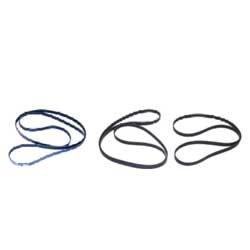
Serpentine belts — also called accessory belts or drive belts — are the most common type found in modern vehicles. A serpentine belt is a single, continuous belt used to drive multiple peripheral devices in an automotive engine, such as the alternator, power steering pump, water pump, and air conditioning compressor. Because everything runs off this one belt, a failure can simultaneously knock out multiple critical systems. Most serpentine belts are designed to last between 60,000 and 100,000 miles, but heat, friction, and contamination from oil leaks can shorten that lifespan considerably.
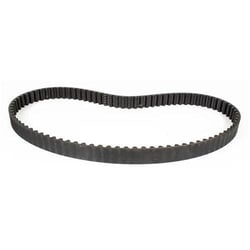
Timing belts play an entirely different role. Rather than driving accessories, a timing belt synchronizes the crankshaft and camshaft so that the engine's intake and exhaust valves open and close at precisely the right moment. Usually made from rubber with reinforced high-tensile fibers, timing belts have teeth or ribs to securely grip the crankshaft and camshaft pulleys, ensuring precise piston movements and valve timing. On interference engines in particular, a snapped timing belt can result in catastrophic internal engine damage — making timely replacement non-negotiable.
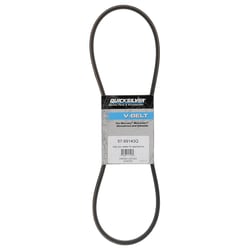
V-belts are an older design once used to individually power each accessory component. While largely replaced by serpentine belts on modern vehicles, V-belts are still found on classic cars, older trucks, and some industrial and agricultural equipment, making them an important part of any comprehensive drive belt catalog.
What to Look for When Shopping Drive Belts
- Correct fitment: Belt length and rib count must match your vehicle's specifications exactly. An improperly sized belt will slip, wear prematurely, or fail to tension correctly.
- Material quality: Look for fiber-reinforced synthetic rubber with a strong tension member — these materials resist heat, stretching, and the oil contamination that can accelerate belt degradation.
- Complete kits: When replacing a timing belt, it's widely recommended to also replace the water pump, tensioner, and idler pulleys at the same time, since all these components share a similar service life. Many brands offer complete kits for exactly this reason.
- OEM equivalence: For European vehicles in particular, sourcing a belt that meets or exceeds original equipment standards is especially important, given the tight engineering tolerances involved.
Top Drive Belt Brands
ContiTech stands out as one of the most trusted names in the drive belt category, backed by the engineering legacy of Continental AG. Continental's history with drive belts stretches back to 1899, beginning with V-belts and evolving through decades of materials innovation to encompass modern serpentine and timing belt technology. ContiTech is widely regarded as an OEM-equivalent supplier, particularly for European makes, and manufactures its aftermarket belts to the same quality standards as its original equipment products — making it a go-to choice for enthusiasts and professional technicians alike.