



Oil Filters
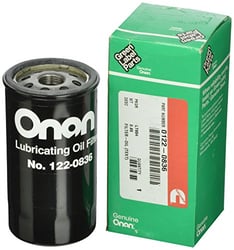
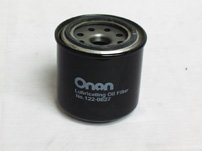
Cummins (onan Generators) 122-0836 Onan/Cummins 1220836 Oil Filter, QG HGJAC, HGJAB, HGJAA

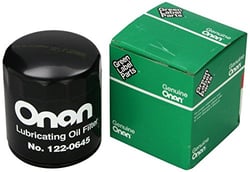
Cummins (onan Generators) 122-0645 Onan/Cummins 1220645 Oil Filters Emerald BGE, BGEL, Marquis BGM
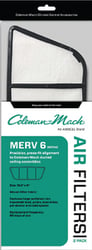
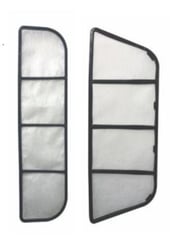
Coast Dist Sys (coleman Air) 84303801 Replacement Air Filter Set for Coleman-Mach Ducted Ceiling Assemblies

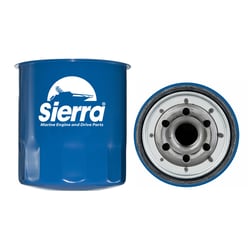

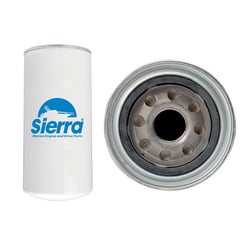
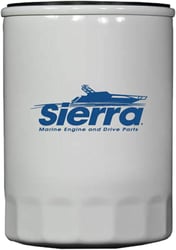
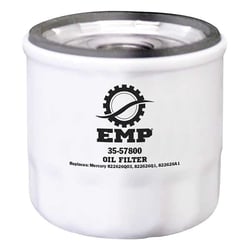
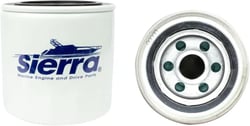
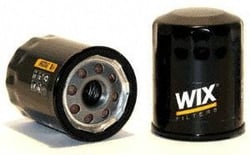
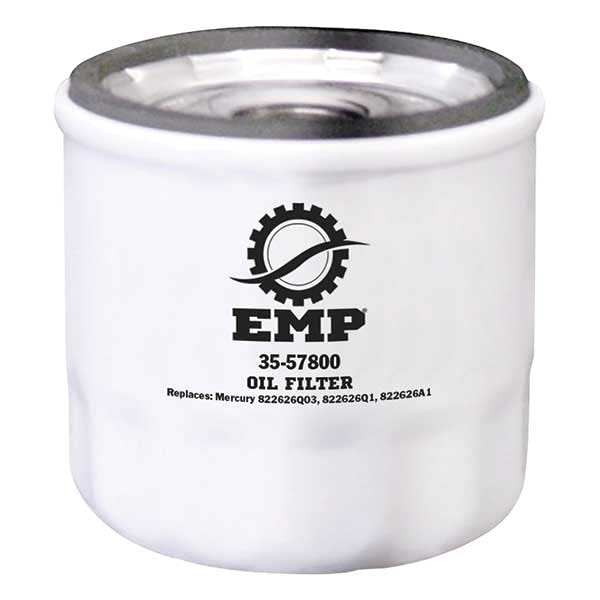
Engineered Marine Products 35-57800 Oil Filter for Mercury MerCruiser Sterndrive & Inboard Engines

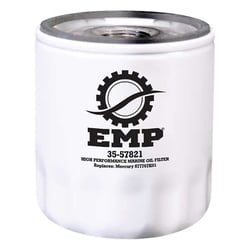
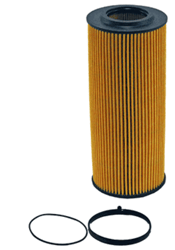
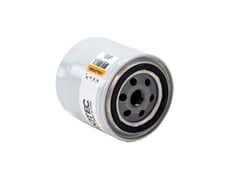
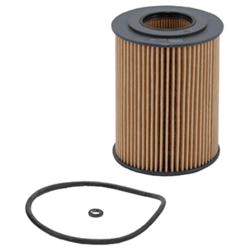
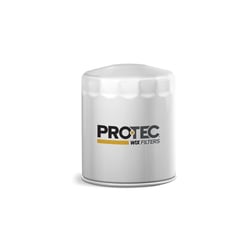
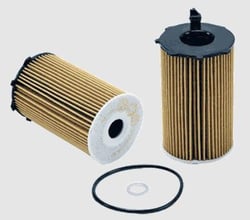
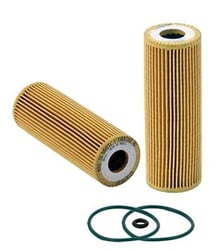

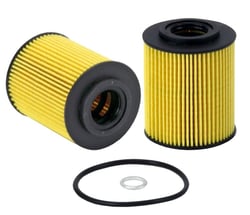
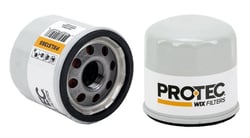
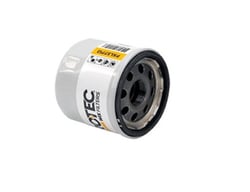
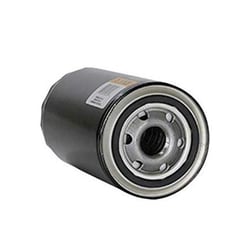
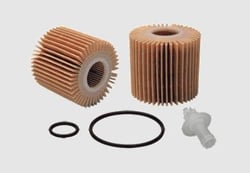
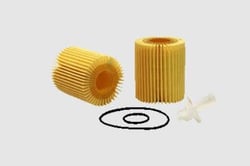
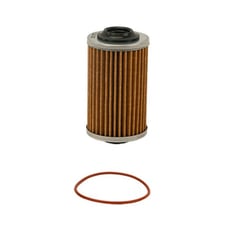
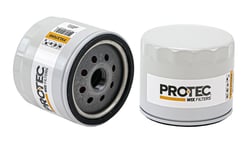
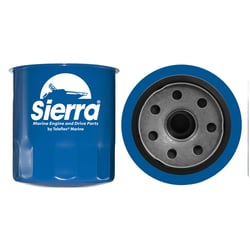
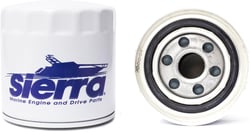
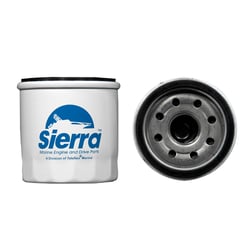
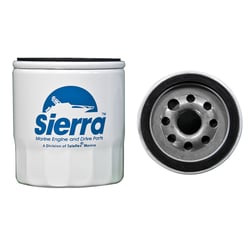
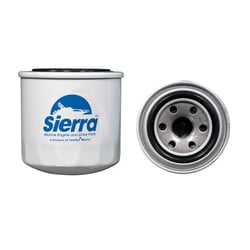
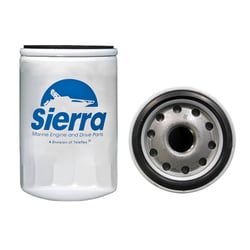
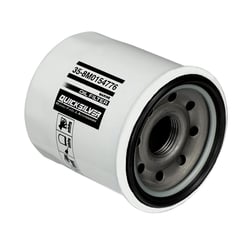
Quicksilver 8M0154776 20-Micron Marine Oil Filter for Yamaha, Honda, Nissan/Tohatsu Outboards


 Representative Photo, actual item may vary
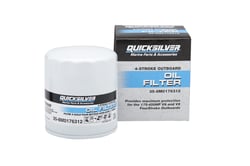
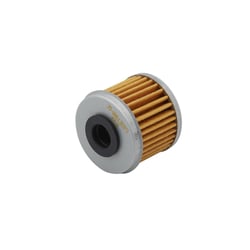
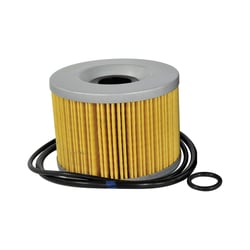
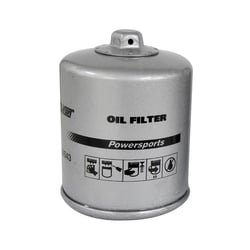
 Representative Photo, actual item may vary
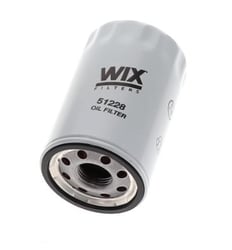
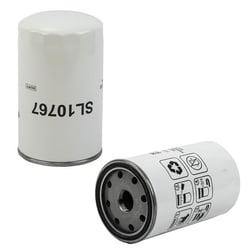
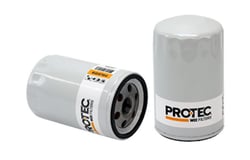
What Is an Oil Filter and Why Does It Matter?
An oil filter is a small but vital component of your car's engine, with the primary role of cleaning the oil as it circulates. Engine oil is critical for lubricating moving parts, reducing friction, and helping to keep the engine cool. Over time, oil becomes contaminated with particles such as dirt, debris, and metal fragments from the engine itself — and the oil filter traps and holds these contaminants, preventing them from recirculating.
An effective oil filter captures a variety of contaminants such as dust, metal shavings, and combustion byproducts before they reach the engine. Without this critical protection, dirt particles created by the movement of mechanical parts, as well as deteriorated oil, could lead to rapid damage to the engine, reducing its lifespan and increasing the chance of breakdowns.
The Benefits of a Clean Oil Filter
- Reduced Engine Wear: Clean oil and a fresh filter ensure that your engine is properly lubricated, reducing friction and wear on moving parts, which helps maintain optimal engine performance and efficiency.
- Better Fuel Economy: A well-lubricated engine runs more smoothly and efficiently, leading to better fuel economy — dirty oil makes the engine work harder, which can decrease fuel efficiency.
- Prevents Overheating: Oil not only lubricates but also helps to cool the engine by carrying heat away from the moving parts, and clean oil is more effective at heat transfer, preventing the engine from overheating.
- Avoids Costly Repairs: Ignoring regular oil and filter changes can lead to major engine problems, such as seized or damaged components — repairs that can be extremely expensive compared to the relatively low cost of regular maintenance.
Types of Oil Filters
There are two primary types of filters used today: spin-on and cartridge-style. The spin-on filter is one of the most recognized engine parts, with a steel canister and paper element inside. Spin-on filters are nearly foolproof — especially for the DIYer — due to the simple installation process and minimal need for tools.
Cartridge oil filters consist solely of the filter element and applicable gaskets or O-rings, without a housing. This design has been adopted by several vehicle manufacturers primarily to reduce overall weight and increase reusable content on the vehicle — when replacing, only the cartridge filter and O-rings are changed while the housing is reused. One popular benefit of the cartridge filter is that if it's mounted upright, the filter can be opened and inspected without draining the oil.
Beyond spin-on and cartridge styles, oil filters play a crucial role in maintaining engine health, with several types available including spin-on filters, cartridge filters, magnetic filters, and centrifugal filters. Magnetic oil filters are secondary filters used in conjunction with full-flow versions — they efficiently remove metallic contaminants from the motor oil, do not require replacement, and only need regular cleaning to maintain functionality.
Filter Media: Cellulose vs. Synthetic
Synthetic blend filter media enhances filtration efficiency without affecting the filter's capacity, while full synthetic media offers high efficiency and capacity — ideal for heavy-duty applications, commercial vehicles, high-performance engines, and extended oil change intervals. Going from a paper element that filters 40 microns to a fully synthetic medium that filters out much finer particles can reduce engine wear by as much as 50%.
Key Specifications to Look For
Understanding oil filter specifications is key to making an informed choice. Look for an anti-drain back valve that prevents oil from draining out of the filter when the engine is turned off — it ensures the engine receives oil quickly upon startup, reducing wear and tear. Also consider a bypass valve that allows oil to flow around the filter if it becomes clogged, ensuring a continuous supply of oil to the engine.
Most oil filters look very similar, but small differences in the threads or gasket size can determine whether a particular filter will work on your vehicle. The best way to determine which oil filter you need is by consulting your owner's manual or referencing a parts catalog — using the wrong filter can cause oil to leak out of the engine, or an ill-fitting filter could fall off, either of which could lead to serious engine damage.
When to Replace Your Oil Filter
It is standard practice to change your oil filter during an oil change service — this keeps your oil at its cleanest and prevents your oil filter from losing its efficacy. The frequency of oil and filter changes can depend on several factors, including the make and model of your car, your driving habits, and the type of oil you use. As a general rule, many modern vehicles can go 7,500 to 10,000 miles between changes with synthetic oil.