



Air Filters/Crankcase Ventilation


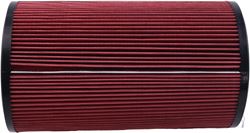
Why Air Filters and Crankcase Ventilation Matter for Marine and RV Engines
Every internal combustion engine — whether powering a weekend cruiser or a full-time RV — depends on clean air and controlled crankcase pressure to run efficiently. Air filters and crankcase ventilation components work together as the engine's first line of defense against contamination, and neglecting either can lead to accelerated wear, reduced performance, and costly repairs.
Understanding Crankcase Ventilation
During normal operation, blow-by gases are produced when combustion gases under high pressure escape past piston rings and enter the crankcase. These gases carry oil mist and hydrocarbons that, left uncontrolled, can cause real problems in enclosed spaces like boat engine rooms and RV engine bays. As the experts note, without proper control, these vapors can accumulate in engine rooms, bilges, and cabins — creating both maintenance headaches and potential safety hazards.
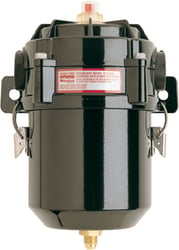
Crankcase ventilation systems address this by routing blow-by gases through an oil-separating filter. In a closed crankcase ventilation (CCV) system, filtered gases are returned to the engine's intake rather than vented to the atmosphere. This approach delivers several important benefits:
- Environmental protection: Reduces crankcase emissions discharged into the air or water.
- Reduced oil consumption: Recovers oil mist through a process called coalescence, returning it to the engine rather than losing it to the atmosphere.
- Improved engine operation: Helps control crankcase pressure and limits oil leaks past seals and gaskets.
- Cleaner engine spaces: Keeps bilge compartments and cabin areas free from oily residue and unpleasant odors.
The Role of Air Filters in Marine and RV Engines
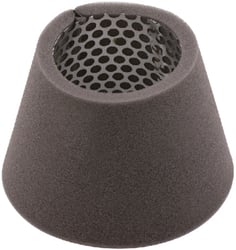
Air filters serve a complementary but distinct role: keeping the incoming air charge free of dust, debris, and particulates that would otherwise scour cylinder walls and contaminate engine oil. In marine applications especially, a clean and properly sealed air intake is essential, since the humid, salt-laden environment can introduce corrosive particles if filtration is compromised. Many marine air filter/silencer designs also feature washable media, offering extended service life in demanding conditions.
What to Look for When Shopping
Selecting the right air filter or crankcase ventilation component starts with knowing your engine make, model, and application. Key considerations include:
- Compatibility: Ensure the filter or CCV system is rated for your specific engine — common marine platforms include Volvo Penta, Yanmar, and MerCruiser stern drives.
- Open vs. Closed Systems: Open crankcase ventilation systems are simpler and lower in cost but vent gases to the atmosphere. Closed systems are increasingly required by environmental regulations and provide better protection for turbocharged engines.
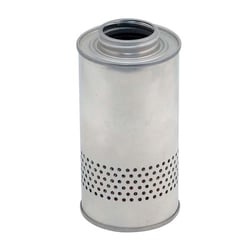
- Serviceability: Look for systems with replaceable filter elements so routine maintenance doesn't require replacing the entire assembly.
- Backpressure: A well-designed CCV system should minimize backpressure on the crankcase to avoid creating new seal leak points.
Top Brands in Marine Air Filters & Crankcase Ventilation
Sierra is one of the most trusted names in the marine aftermarket, with a decades-long history of producing engine and drive components engineered specifically for the demands of the marine environment. Sierra's air filter and crankcase ventilation offerings — including fitments for popular platforms like Volvo Penta and Yanmar — are built to OEM-grade standards, making them a reliable choice for boaters and RV owners who need the right part the first time.