



Anchors








Why the Right Boat Anchor Matters
An anchor is one of the most important pieces of safety equipment on any vessel. Anchors prevent your boat from drifting due to wind, current, or tides — and in an emergency, a properly set anchor can be a lifesaver. Whether you're stopping for a swim, fishing your favorite spot, or riding out unexpected weather, the right anchor matched to your boat and bottom conditions gives you confidence and control on the water.
Understanding Anchor Types
Not all anchors are created equal, and choosing the right style is just as important as choosing the right size. The most common types include:
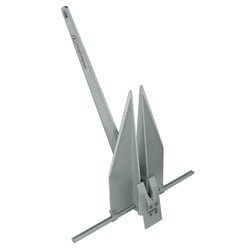
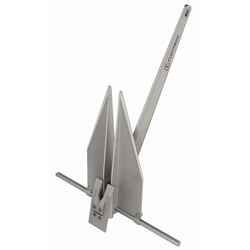
- Fluke (Danforth) Anchors: The most popular choice for recreational boats up to about 25 feet, fluke anchors are lightweight, stow flat, and deliver exceptional holding power in sand and mud. Their wide, pivoting flukes dig into soft bottoms quickly, though they can struggle in rocky or grassy seabeds.
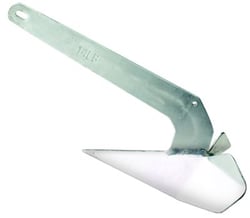
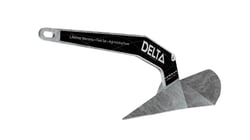
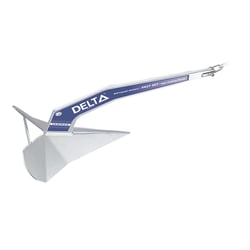
- Plow & Scoop Anchors: Plow-style anchors — including Delta and CQR designs — are known for their all-around versatility. Their single-point design allows them to dig deep into the seabed and, crucially, reset themselves when wind or current direction changes, making them an excellent choice for overnight anchoring.
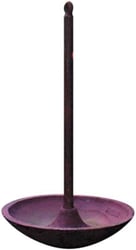
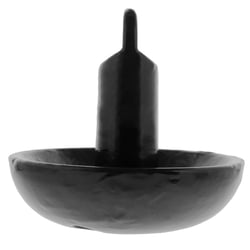
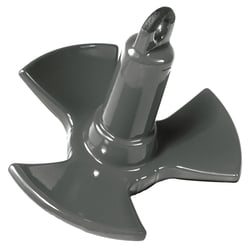
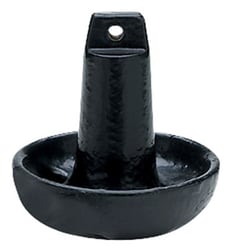
- Mushroom Anchors: Ideal for calm inland waters, mushroom anchors work best in soft silt and mud. Smaller versions are popular for kayaks, canoes, and personal watercraft, while very large mushroom anchors are used as permanent moorings.
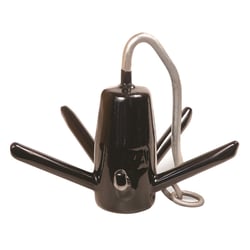
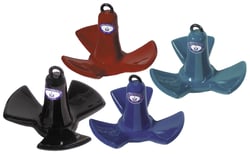
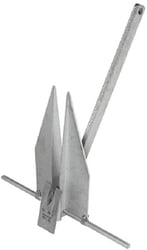
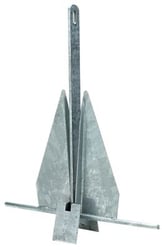
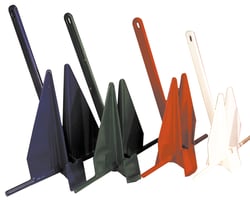
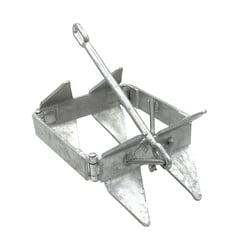
- River Anchors: Designed to penetrate soft and moderate river bottoms or engage rocks and structure in current, river anchors are a go-to for pontoon boats and other large, difficult-to-hold craft.
- Grapnel Anchors: With their multi-pronged, hook-like design, grapnel anchors are well-suited for small boats, kayaks, and dinghies operating over rocky or debris-filled bottoms. Many models fold for compact stowage.
Key Considerations When Shopping for a Boat Anchor
Selecting the right anchor comes down to three main factors: your boat's size and weight, the type of seabed where you typically anchor, and the weather conditions you expect to encounter. Manufacturer sizing charts are a reliable starting point — but if your boat is heavier than average for its length, or if you regularly anchor in high winds or strong currents, sizing up is a smart move. Many experienced boaters carry two anchors of different styles to handle varying bottom conditions and serve as a primary and backup system.
Don't overlook the complete anchoring system. A length of chain between the anchor and rode is essential for maintaining the correct approach angle for setting, and proper scope — typically a 7:1 ratio of line length to water depth — is critical for reliable holding power.
Top Brands in Marine Anchors
When it comes to trusted names in the anchor category, Greenfield Products stands out as an industry institution. Founded in 1959 and still a fourth-generation, family-owned American manufacturer, Greenfield revolutionized the marine industry in 1962 by introducing the first PVC-coated anchor — a design innovation that prevents hull scratching and extends anchor life. Today, their broad lineup spans Navy anchors, river anchors, mushroom anchors, fluke anchors, and specialty designs like the collapsible Wave Stake and the Sandshark, covering everything from kayaks and PWCs to large pontoon boats.