



Awlgrip Solvents & Dewaxers
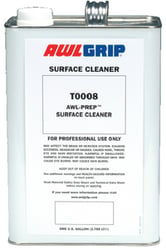

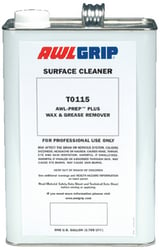
Why Surface Preparation Is the Foundation of Every Great Marine Finish
Whether you're refreshing the topsides on a weekend cruiser or laying down a professional-grade finish on a performance yacht, the quality of your paint job is only as good as the surface preparation beneath it. Solvents and dewaxers are the unsung heroes of marine painting — without them, even the most premium topcoats can fail to bond, peel prematurely, or cure with an uneven, disappointing finish.
What Solvents and Dewaxers Do
Marine solvents and dewaxers are specially formulated chemical cleaners designed to strip a hull or deck surface of everything that would prevent paint from adhering. Awlgrip solvents and dewaxers are engineered specifically to work within the Awlgrip coating system, ensuring chemical compatibility at every stage of the paint process.
These products address several categories of surface contamination:
- Mold release wax: Fiberglass hulls are built in molds coated with release wax. That wax can remain embedded in the gelcoat for the life of the boat, and a proper dewaxer must be used to lift it before any primer or topcoat is applied.
- Oils and hand grease: Even a clean-looking surface will carry invisible oils from handling, which cause adhesion failures and fisheye defects in a topcoat.
- Light grease and general contamination: Environmental grime, polishing compounds, and sanding residue all need to be fully removed before coating.
As a general rule, wipe-down solvents are used before and after sanding — cleaning before sanding prevents oils and greases from being ground deeper into the substrate, while cleaning after sanding removes dust and fine particulate before the primer or topcoat goes on.
Different Formulas for Different Stages
Not all marine solvents are the same, and choosing the right one for the right stage matters. Fast-evaporating solvents are ideal for final wipe-downs on finish primers and topcoats, where a quick, clean evaporation prevents re-contamination of the surface. Medium-speed solvents are better suited for painted surfaces, new or aged gelcoat, aluminum, or steel — surfaces that need more dwell time before the solvent is wiped away.
The professional standard for applying any wipe-down solvent is the two-cloth method: one cloth soaks the surface with solvent to lift contamination, while a second dry cloth immediately wipes the surface clean before the solvent evaporates and re-deposits what it has dissolved. Working in small sections at a time ensures the solvent doesn't dry before you can wipe it off.
Compatibility Within the Coating System
One critical consideration with marine solvents is compatibility. Solvents formulated for use within a specific coating system — such as the Awlgrip line — are tested to work seamlessly with those system's primers, topcoats, and fillers. Using an incompatible or overly aggressive solvent on a partially cured epoxy or urethane can attack the coating, causing lifting or blushing. Always verify that your chosen solvent is appropriate for the surface and coating stage at hand.
A Clean Surface Is Non-Negotiable
In marine painting, shortcuts in surface preparation almost always show up in the final finish — and fixing a failed paint job costs far more in time and materials than doing the prep correctly the first time. Investing in the right solvent and dewaxer products, and using them properly, is the single most important step toward a finish that holds its gloss and protects your vessel for seasons to come.