



Bilge & Interior Paint
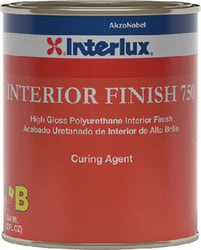

 Representative Photo, actual item may vary
 Representative Photo, actual item may vary
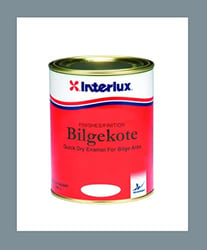
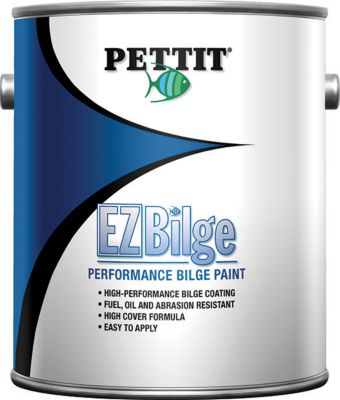 Representative Photo, actual item may vary
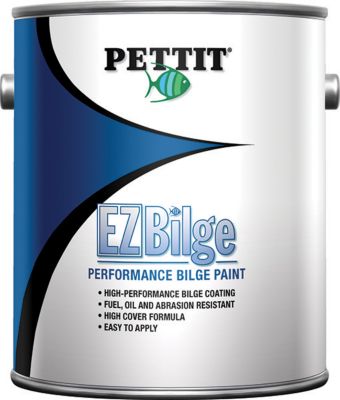
Pettit Paint 1352208 Ez-Poxy Bristol Beige High-Gloss Epoxy Bilge Paint - Quart

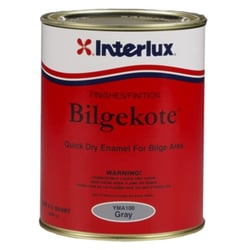
 Representative Photo, actual item may vary
What Is Bilge & Interior Marine Paint?
The bilge is one of the hardest-working — and most overlooked — spaces on any boat. Sitting at the lowest point of the hull, it collects everything: water, fuel drips, engine oil, antifreeze, and general grime. Bilge and interior marine paint is a specialized category of coatings engineered specifically to stand up to this punishing environment, protecting the underlying fiberglass, wood, or metal from moisture intrusion, chemical attack, and osmotic damage.
Unlike standard household or even general marine topside paints, bilge coatings are formulated with high-solids content and chemical-resistant resins. Bilge and interior paints create a tough, sealed surface that prevents water, fuel, and oils from soaking into hull substrates — which, on unprotected fiberglass, can lead to osmotic blistering, delamination, and costly structural repairs over time.
Why Painting Your Bilge Matters
A freshly coated bilge does more than look clean — it actively works to protect your investment. A light-colored, high-gloss bilge finish makes it far easier to spot problems before they escalate: a small fuel leak, a weeping shaft seal, or the first signs of a coolant drip all show up clearly against a bright, clean surface. As one marine maintenance principle puts it, a clean bilge is a safe bilge.
- Moisture resistance: Seals fiberglass and wood against wicking and osmotic water absorption from the interior.
- Chemical resistance: Purpose-built formulas withstand gasoline, diesel fuel, engine oil, antifreeze, and grease — substances that would degrade standard paints quickly.
- Easier maintenance: Smooth, hard-gloss finishes resist grime buildup and wipe clean with a degreaser, reducing long-term upkeep.
- Leak detection: Light gray or white finishes make leaks and drips immediately visible, enabling faster troubleshooting.
- Odor control: A sealed, painted bilge resists the accumulation of fuel and stagnant water odors that can permeate a cabin.
1-Part vs. 2-Part Bilge Paints
Bilge paints come in single-component (1K) and two-component (2K) formulas. Single-part alkyd or epoxy-modified paints are easier to apply — no mixing required — and work well for above-the-waterline bilge areas and engine rooms that stay relatively dry. Two-part epoxy systems cure harder and offer superior resistance to chemical exposure and abrasion, making them the preferred choice for sumps and areas that see standing water. The tradeoff is a shorter pot life and longer cure time, and they must be mixed with a hardener immediately before application.
Proper surface preparation is critical regardless of which system you choose. The substrate must be clean, dry, and free of all oil, grease, wax, and loose paint before any bilge coating is applied. Most manufacturers recommend sanding with 150–220 grit paper for mechanical adhesion, followed by a solvent wipe-down.
Top Brands in Bilge & Interior Paint
Pettit Paint is one of the most trusted names in marine coatings and brings that same expertise to their bilge paint lineup. Their EZ-Bilge is a high-performance alkyd finish built specifically for the demands of the boat bilge environment, offering strong resistance to antifreeze, grease, gasoline, diesel fuel, and engine oil — while remaining straightforward to apply by brush, roller, or spray.