



Blowers
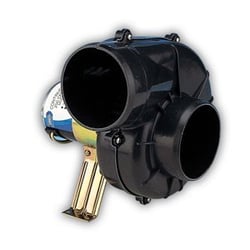

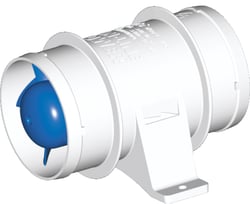


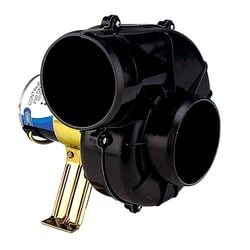
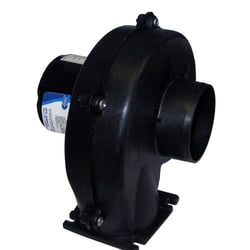
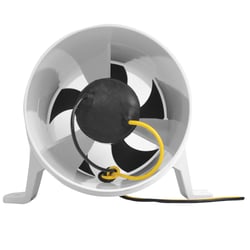

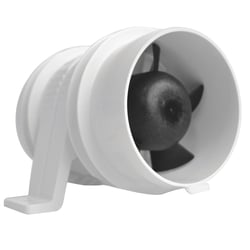
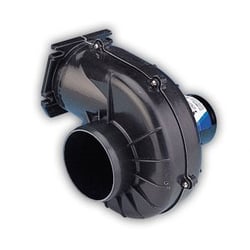
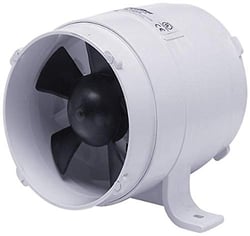

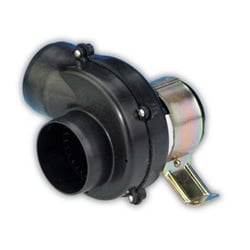
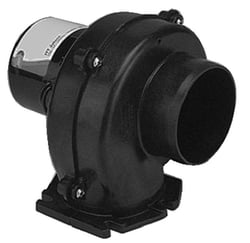
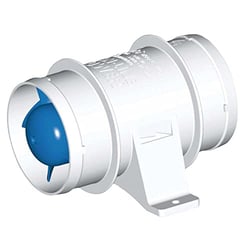

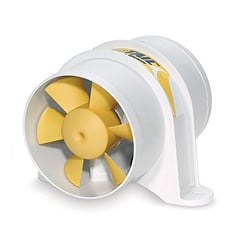

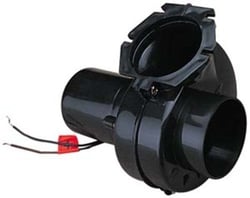

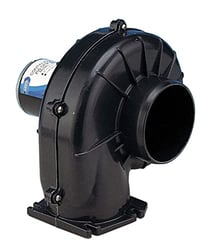
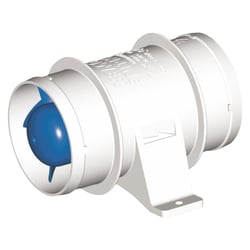
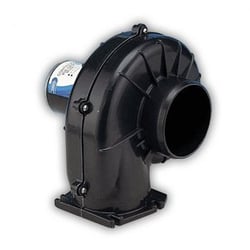
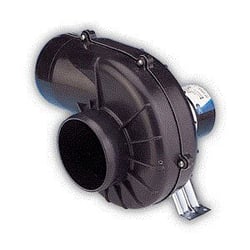
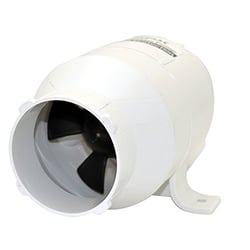
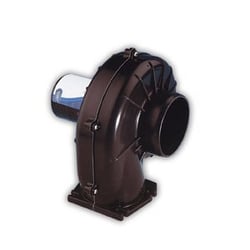
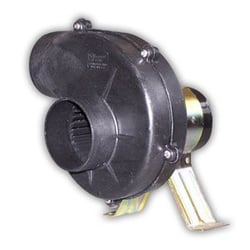
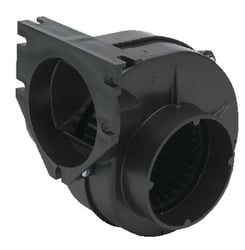

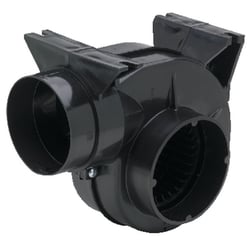
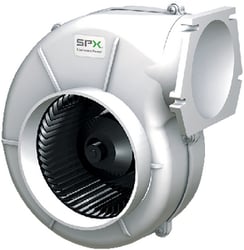
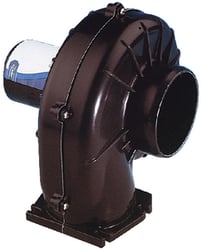
Johnson Pumps 80-47417-01 AirV 4-550 12V Marine Radial Blower Flange Mount
- 1
- 2
Why Marine and RV Blowers Are a Safety Essential
A blower may look like a simple inline fan, but aboard a boat or RV it is one of the most critical pieces of safety equipment you can install. Bilge and ventilation blowers exist to do one fundamental job: remove dangerous fuel vapors before they can accumulate to explosive concentrations. Gasoline fumes are heavier than air, meaning they sink and pool in enclosed engine compartments, bilges, and low-lying spaces — exactly where an errant spark can ignite them with devastating results.
The U.S. Coast Guard mandates powered ventilation blowers on non-open gasoline-powered boats built after 1980 with enclosed engine compartments, and regulations governing these systems are spelled out in the Code of Federal Regulations (Title 33). Standard practice is to run your bilge blower for a minimum of four minutes before starting a gasoline engine, then trust your nose — if you still detect fuel odors, keep the blower running before attempting ignition.
What Blowers Do — and Why It Goes Beyond Compliance
Beyond regulatory compliance, a properly functioning ventilation blower delivers real-world benefits on the water. Improved airflow through the engine compartment helps manage heat buildup, protecting wiring, hoses, and sensitive electronics from heat soak during extended operation or after shutdown. Cooler, drier air also helps engines maintain peak performance and reduces the corrosive moisture that accelerates component wear in the harsh marine environment.
It's also worth understanding the distinction between a bilge blower and an exhaust blower. Exhaust blowers are mounted high in the engine room to expel hot air overboard, while bilge blowers draw from the lowest parts of the bilge where fumes accumulate. Many boats benefit from both working in tandem to create a complete ventilation strategy. For RV applications, blowers serve a similar role — venting propane fume risks in galley and storage compartments, as well as managing engine bay temperatures.
Key Factors When Shopping for a Blower
- CFM Rating: Match blower capacity to your compartment volume. Common guidance suggests 100–250 CFM for compartments ranging from roughly 70 to 300 cubic feet — larger spaces require higher-output units.
- Ignition Protection: Marine-rated blowers feature insulated electrical components to prevent sparking in a vapor-rich environment. Never substitute a standard household or shop fan for a purpose-built marine blower.
- Duct Size: Most blowers are designed for 3-inch or 4-inch diameter hose connections — confirm your existing ducting before ordering.
- Duty Cycle: Most bilge blowers are rated for intermittent operation, not continuous use. Check the manufacturer's specification if your application requires prolonged runtime.
- Certifications: Look for USCG compliance, NMMA acceptance, and ABYC H-2 certification to ensure the unit meets recognized marine safety standards.
Top Brands in Marine & RV Blowers
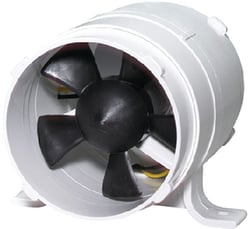
Detmar (Detroit Marine Engineering) is a long-respected name in marine ventilation, and their tunnel-style inline blowers are engineered to meet the most demanding field conditions. Detmar's blowers are designed with a distinctive tunnel motor placement that keeps the motor centered in the airflow for cooler operation and a lower amperage draw — a thoughtful engineering detail that extends motor life. All models meet USCG Safety Standards, are NMMA-approved, and comply with ABYC H-2 requirements, making them a reliable choice for boaters who won't compromise on safety compliance.