



Boat Hooks
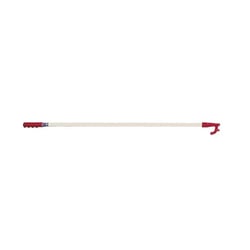

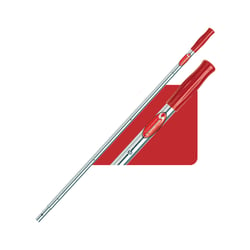

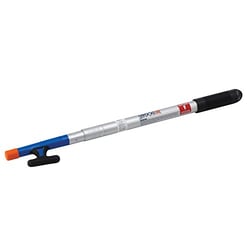




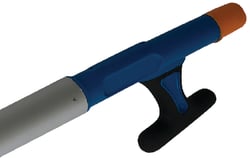



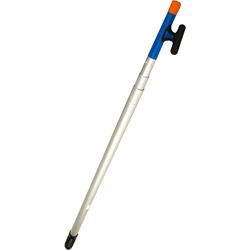
 Representative Photo, actual item may vary
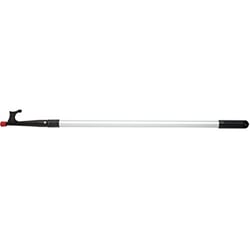









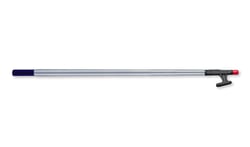


- 1
- 2
What Is a Boat Hook and Why Every Boater Needs One
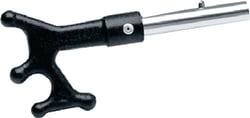
Boat hooks are one of the most practical and indispensable pieces of safety gear aboard any vessel. At its core, a boat hook is a long pole — typically made from anodized aluminum, fiberglass, or a composite material — with a curved hook and a blunt push-tip at the working end. Simple in concept, but remarkably versatile in practice.
Whether you're navigating a crowded marina slip or anchoring solo in open water, a boat hook extends your reach and keeps you safe. Common uses include grabbing dock lines or mooring buoys, pushing off from pilings or seawalls to avoid hull scratches, retrieving gear that's fallen overboard, and positioning fenders from the safety of your deck. As seasoned boaters know, trying to do these tasks by hand — leaning dangerously over the gunwale — is how accidents happen.
Types of Boat Hooks: Fixed vs. Telescoping
Choosing the right boat hook starts with understanding the two main configurations:
- Fixed-Length Hooks: One-piece construction offers maximum rigidity and reliability. There are no moving parts that can slip or collapse mid-maneuver — a critical advantage in an emergency situation.
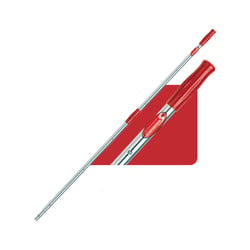
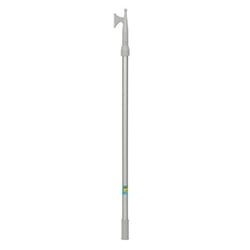
- Telescoping Hooks: Adjustable poles extend to greater reach and retract for compact storage. Ideal for boats with limited locker space, telescoping models typically use a twist-lock or cam-lock mechanism to secure the extension in place.
- Floating Hooks: Designed to remain buoyant if dropped overboard — a thoughtful feature that prevents losing your hook to the depths during a hectic docking situation.
- Multi-Function / Combination Hooks: Some models feature threaded or removable hook ends that accept attachments such as deck brushes or mop heads, effectively turning your boat hook into a full cleaning system.
What to Look for When Shopping
Material is one of the most important considerations. Anodized aluminum and fiberglass are both lightweight and corrosion-resistant — essential qualities for hardware that regularly encounters saltwater. A non-slip grip on the handle makes a significant difference when maneuvering in wet conditions. Hook end design also matters: a well-designed tip can push, pull, and retrieve without slippage, and rounded or cushioned ends help protect your gelcoat and dock hardware from damage.
Length selection depends on your vessel size. Smaller runabouts and pontoon boats are well-served by compact models, while larger cruisers may need extended reach. If storage space is tight, a telescoping model that collapses to a manageable size is usually the smarter choice.
Top Boat Hook Brands
SeaSense is a go-to brand for value-conscious boaters, offering a range of heavy-duty telescopic boat hooks built from anodized aluminum with positive cam-lock mechanisms for secure extension. Their removable hook design adds a bonus of multi-tool versatility, accommodating brush and mop head attachments.
Beckson Marine is an industry icon with over 60 years of marine manufacturing experience. Their signature Hook-Mate® is legendary among sailors and powerboaters alike — featuring a fixed-length design that eliminates collapse risk, a buoyant construction, a non-conductive vinyl-clad shaft, and a patented double-ball hook end engineered for push, pull, and retrieval without slippage.
Seachoice rounds out the lineup with dependable, accessible boat hooks that suit a wide range of vessels and use cases, making them a solid choice for boaters looking for straightforward marine-grade performance at a practical price point.
Caring for Your Boat Hook
Maintaining a boat hook is straightforward but important. Rinse with fresh water after every saltwater outing to prevent corrosion and degradation. Periodically clean the pole and hook end with mild soap and water to remove mildew buildup, and inspect the locking mechanism on telescoping models regularly for signs of wear. Stored dry and out of direct sun, a quality boat hook should last season after season.