



Buffing Pads and Applicators
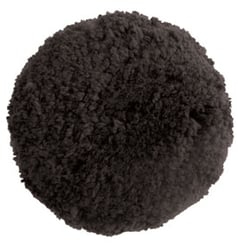

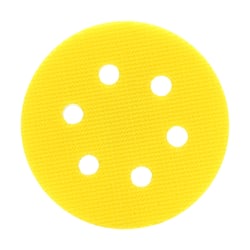

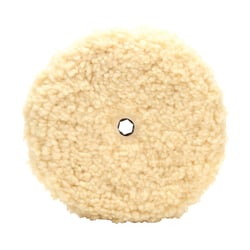
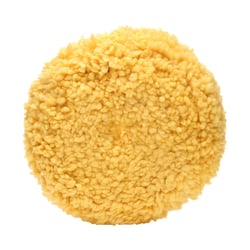
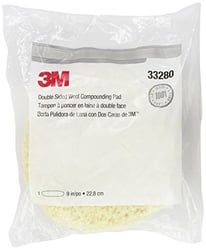
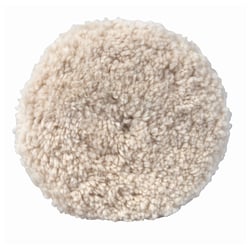
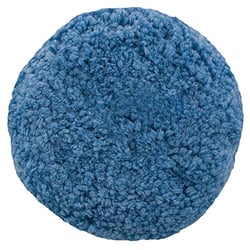
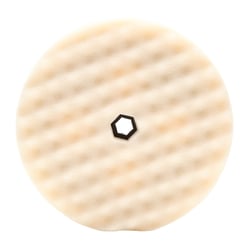
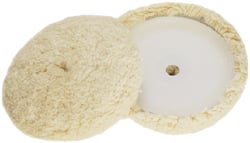

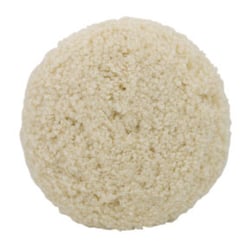
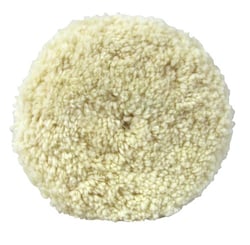
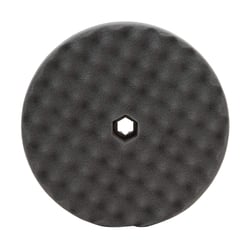
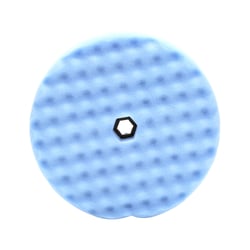
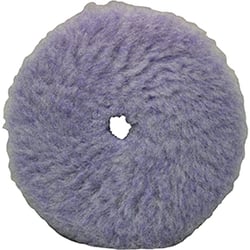
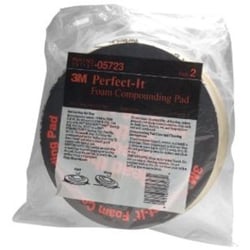
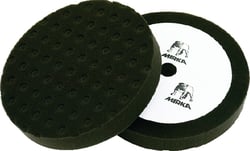
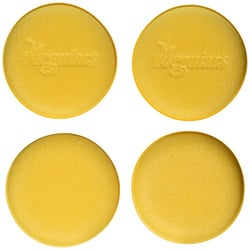

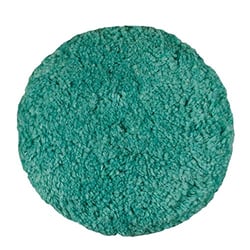
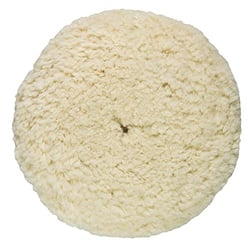
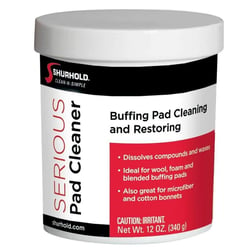

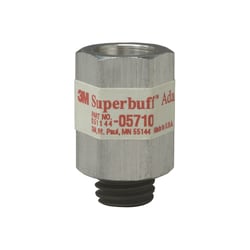
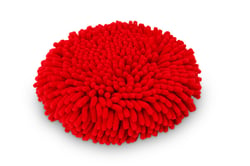
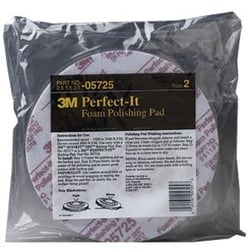
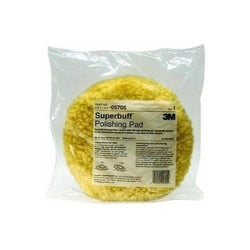
 Representative Photo, actual item may vary
Why Buffing Pads and Applicators Matter for RVs and Boats
Whether you're maintaining a fiberglass hull, refreshing an RV sidewall, or restoring faded gelcoat after a season on the water, the right buffing pad or applicator is just as important as the compound or wax you're using. The pad you choose directly affects how aggressively a product cuts into oxidized surfaces and how smooth the final finish turns out. Using the wrong tool — even with a premium polish — can leave swirl marks, uneven coverage, or worse, damage the surface itself.
Buffing pads and applicators come in several distinct types, each engineered for a specific stage of the detailing process. S.M. Arnold and other professional-grade brands typically offer products across three main categories:
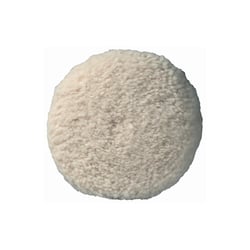
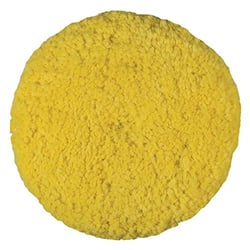
- Wool buffing pads — High-cut pads designed for heavy compounding, oxidation removal, and deep scratch correction on fiberglass or painted surfaces. These are the most aggressive option and work best with rotary buffers in the hands of experienced users.
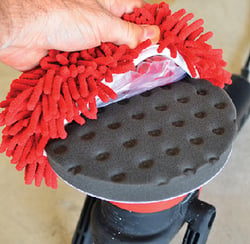
- Foam buffing pads — Available in varying densities (measured in pores per inch, or PPI), foam pads range from firm, low-PPI models for cutting compounds to ultra-soft, high-PPI finishing pads that refine the surface to a mirror-like gloss without adding new scratches.
- Foam and microfiber applicator pads — Smaller, hand-held pads used to apply waxes, polishes, sealants, and ceramic coatings by hand. These give the user precise, controlled coverage, especially in tight corners, curved panels, and detailed trim areas common on boats and RVs.
Choosing the Right Pad for Your Surface
The key to a flawless finish is matching the pad's aggressiveness to the condition of the surface. Heavily oxidized gelcoat typically requires a wool or firm foam cut pad paired with a rubbing compound. Once the oxidation is cleared, you step down to a medium-density foam pad with a finishing polish, and finally a soft applicator pad or microfiber bonnet to lay down a protective wax or sealant. This multi-step approach is standard practice at boatyards and RV detail shops alike.
For DIYers tackling large horizontal surfaces — like an RV roof or the full length of a boat hull — machine-compatible pads that attach to a dual-action or orbital polisher dramatically reduce effort and deliver more consistent results. For gelcoat curves, tight corners, and hand-applied coatings, smaller foam applicator pads offer the control that machines simply can't replicate.
Top Brands in RV & Marine Buffing Pads
S.M. Arnold is one of the most trusted names in professional detailing accessories. Their lineup includes the Speedy Foam® series of buffing pads in multiple densities, the heavy-duty Tuffer Buffer™ wool pads, and foam applicators purpose-built for waxes, dressings, and protectants — making them a go-to for both professional detailers and serious boat and RV enthusiasts.
Tips for Getting the Most Out of Your Pads
- Always prime a new foam pad by lightly misting it with water or product before first use to prevent it from absorbing too much compound.
- Work in manageable sections — typically 2×2 to 3×3 feet — for even coverage and better control.
- Rinse or machine-wash foam and microfiber pads after each use; a clogged pad dramatically reduces performance and can redistribute contaminants across your surface.
- Inspect pads before each session — torn, glazed, or hardened foam should be replaced to avoid streaking or surface damage.