



CB Radios
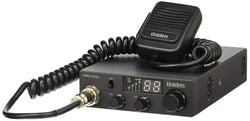

What Is a CB Radio and Why Do RV Owners Need One?
Citizens Band (CB) radios have been a cornerstone of on-road and off-grid communication for decades. CB radios operate across 40 channels within the 27 MHz band and require no license to use — making them one of the most accessible forms of two-way communication available to travelers, truckers, and outdoor enthusiasts alike. Whether you're piloting a Class A motorhome across the country or towing a camper through mountain passes, a CB radio is one piece of equipment that consistently earns its keep.
Real-World Benefits of CB Radios on the Road
One of the most compelling reasons to mount a CB in your RV is the access it gives you to real-time, ground-level information. Truck drivers actively use Channel 19 to broadcast traffic hazards and road conditions, giving RV travelers a direct line to some of the most current road intelligence available — often faster than navigation apps. Channel 9 is designated for emergencies and traveler assistance, while Channel 13 is widely recognized as the RV and marine recreation channel.
Beyond traffic updates, CB radios shine brightest where cell service fails. When you're deep in the backcountry, a CB radio can be your best means of reaching emergency assistance. As many experienced RVers know, the ability to call for help in a dead zone can make the difference between a minor inconvenience and a serious situation. CB radios also keep caravanning groups organized and in contact during convoy travel or trail rides — in fact, CBs are required on many organized off-road trail events where cell signals are nonexistent.
What to Look for When Shopping CB Radios
Choosing the right CB radio for your rig means thinking about a few key factors:
- Form factor: Full-size mobile units offer superior receiver quality and are ideal for Class A RVs with ample dash space. Compact or mic-based units tuck away more easily in tighter Class B and C interiors. Handheld units offer portability for use both in and outside the vehicle.
- Weather channels: Many CB radios include NOAA weather alert functions, letting you monitor severe weather broadcasts across 7 dedicated channels — a critical feature for long-distance travel.
- Antenna compatibility: The antenna is just as important as the radio itself. A well-tuned antenna maximizes your range and signal clarity. RV owners should pay close attention to antenna height and mounting position, as roof clearance can be a limiting factor.
- Channel controls and display: Look for clear channel readouts and easy-to-reach squelch and volume controls, especially if you plan to adjust settings while driving.
- Durability: If your CB will be exposed to vibration, dust, or humidity, prioritize models with robust housings and quality connectors.
Top CB Radio Brands
When it comes to trusted names in CB radio technology, Cobra Electronics stands at the top of the list. Cobra has been one of the most recognized names in CB radio manufacturing for over five decades, offering a wide range of models from compact units to feature-rich full-size radios. Their lineup covers everything from weather-monitoring receivers to units with built-in SWR meters and NOAA weather alert capabilities — making Cobra a go-to choice for RV owners who want dependable communication right out of the box.