



Cleats









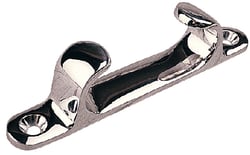
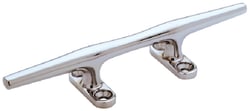
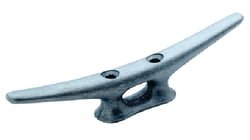
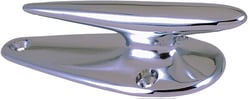
What Are Marine Cleats and Why Do They Matter?
Cleats are among the most fundamental pieces of hardware on any boat or dock. Marine cleats serve as the primary anchor points for securing dock lines, anchor lines, and fender lines, keeping your vessel stable and properly positioned whether you're tied up at a marina or riding out a storm at a mooring. Without a properly sized, properly mounted cleat, even the best dock line in the world can't do its job.
Types of Marine Cleats
Understanding cleat styles is the first step toward choosing the right hardware for your application:
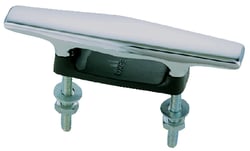
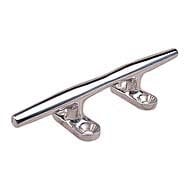
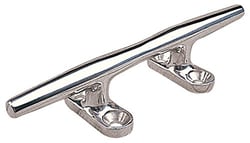
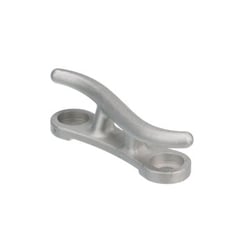
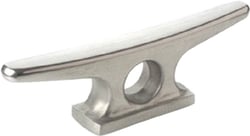
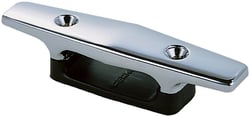
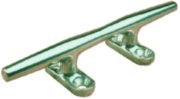
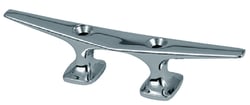
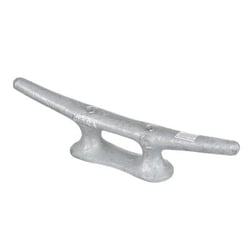
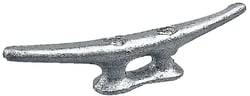
- Horn Cleats — The classic T-shaped workhorse of dock hardware. Their open face allows for quick and secure rope wrapping, making them ideal for docking and mooring on boats and docks of all sizes.
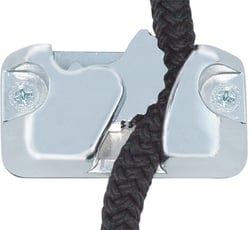
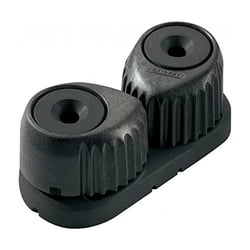
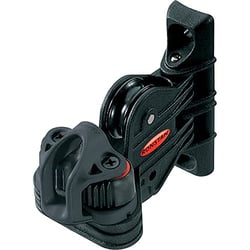
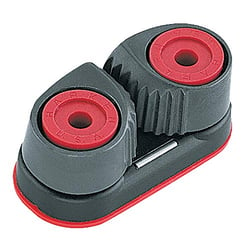
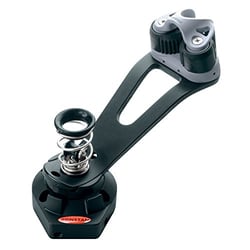
- Cam Cleats — These use spring-loaded cams to grip the line and hold it securely without tying a knot, making them especially popular on sailboats where fast line adjustments are critical.
- Clam Cleats — Featuring a ridged V-groove, clam cleats hold rope firmly with no moving parts. A short upward and backward pull releases the line instantly.
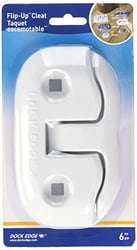
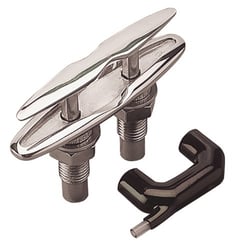
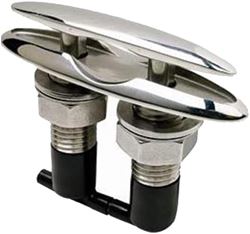
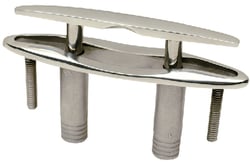
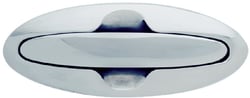
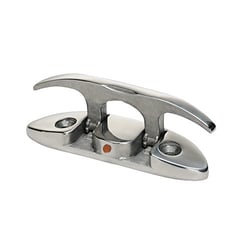
- Flip-Up / Pop-Up Cleats — Designed to fold flush with the deck when not in use, these low-profile cleats eliminate tripping hazards and keep decks looking clean without sacrificing holding power.
Choosing the Right Material
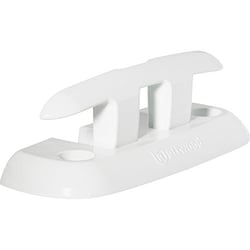
Material selection is as important as cleat style. In saltwater or brackish environments, marine-grade stainless steel and anodized aluminum offer superior corrosion resistance over galvanized alternatives. Nylon and composite cleats are lightweight and corrosion-proof, making them a solid choice for smaller vessels and low-load applications, while aluminum cleats strike a balance of weight savings and durability for freshwater and general marine use.
Sizing matters just as much. A widely used rule of thumb is to select a cleat approximately ten times the diameter of your dock line — so a 3/8" line calls for at least a 4" cleat. For mooring in tide-prone or choppy conditions, always err on the side of a larger cleat. Larger vessels require proportionally longer cleats to distribute tension across a wider surface area and minimize slippage.
Installation Tips
Even the strongest cleat will fail if poorly installed. Always use backing plates or oversized washers to distribute load across the mounting surface and prevent the hardware from pulling free under stress. In saltwater settings, use grade 316 stainless steel fasteners, and apply marine-grade sealant around all bolt holes to prevent water intrusion and rot, especially on wood or composite docks.
Top Brands in Marine Cleats
Ronstan is a globally respected name in sailboat hardware, and their cleat lineup reflects decades of engineering refinement. Ronstan's cam cleats are engineered with a unique tooth profile and cam geometry designed to grip lines firmly without causing rope wear — a key consideration for sailors who constantly trim and adjust sheets and halyards.