



Corrosion Control Product

Why Corrosion Control Is Essential for Sailors and Boaters
Few enemies are as relentless aboard a sailboat as corrosion. Saltwater, humidity, and the constant contact between dissimilar metals create a perfect storm of electrochemical aggression that can silently degrade hardware, rigging, fasteners, and hull fittings long before visible damage appears. Whether you're ocean cruising, coastal sailing, or keeping your vessel ship-shape at the marina, a proactive corrosion control strategy is one of the most important investments you can make.
The marine environment is uniquely hostile to metals. Saltwater acts as a powerful electrolyte, dramatically accelerating the oxidation process that causes rust. Galvanic corrosion — where two dissimilar metals like stainless steel and aluminum are in contact in a conductive liquid — can eat through critical components with alarming speed. Thread seizure, pitting, and structural weakening of fittings are common consequences when corrosion goes unchecked. By applying the right corrosion control products at assembly and refreshing them regularly through the sailing season, you can prevent these issues before they become costly repairs or, worse, safety hazards on the water.
Types of Marine Corrosion Control Products
Corrosion control products for sailing and marine applications generally fall into a few key categories, each suited to different conditions and components aboard your vessel:
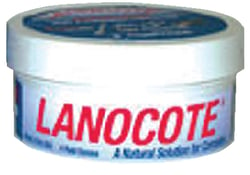
- Paste and gel inhibitors: Thick, lanolin-based or grease-type formulas that excel at protecting threaded fasteners, shackles, turnbuckles, and other hardware that is regularly submerged or exposed to spray. These work by displacing water, forming a durable moisture barrier, and neutralizing acids, alkalis, and salts.
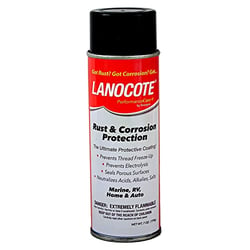
- Spray corrosion inhibitors: Easy-to-apply aerosol formats that reach difficult areas like mast tracks, electrical connections, and enclosed spaces below deck. Thin-film formulas are especially effective at protecting electronics and precision components.
- Anti-seize lubricants: PTFE (polytetrafluoroethylene) or high-load compounds designed for extreme-pressure applications such as seacocks, thru-hull fittings, and high-load rigging hardware. These mechanically plate metal surfaces with a protective film, guarding against friction, wear, and bi-metal corrosion.
What to Look for When Shopping Corrosion Control Products
Choosing the right product depends on where and how it will be used. For hardware regularly dunked in saltwater — think anchor shackles, chainplate bolts, and prop shaft hardware — look for formulas specifically rated for marine saltwater conditions that will not wash off or evaporate. For electrical connections and electronics, choose non-conductive formulas that are safe for use on contacts. And for threaded fasteners at assembly, applying a quality anti-corrosion paste means easier disassembly years down the line, even after extended exposure to the sea.
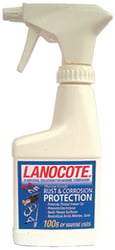
When it comes to trusted marine corrosion control, Forespar stands out as a go-to name in the sailing world. With a heritage stretching back to 1967 and a catalog that spans sailboat hardware, rigging, and boat maintenance products, Forespar brings focused marine expertise to every formula in their corrosion control lineup — from their iconic LanoCote paste to their MareLube TEF45 anti-seize compound.