



CV Joints
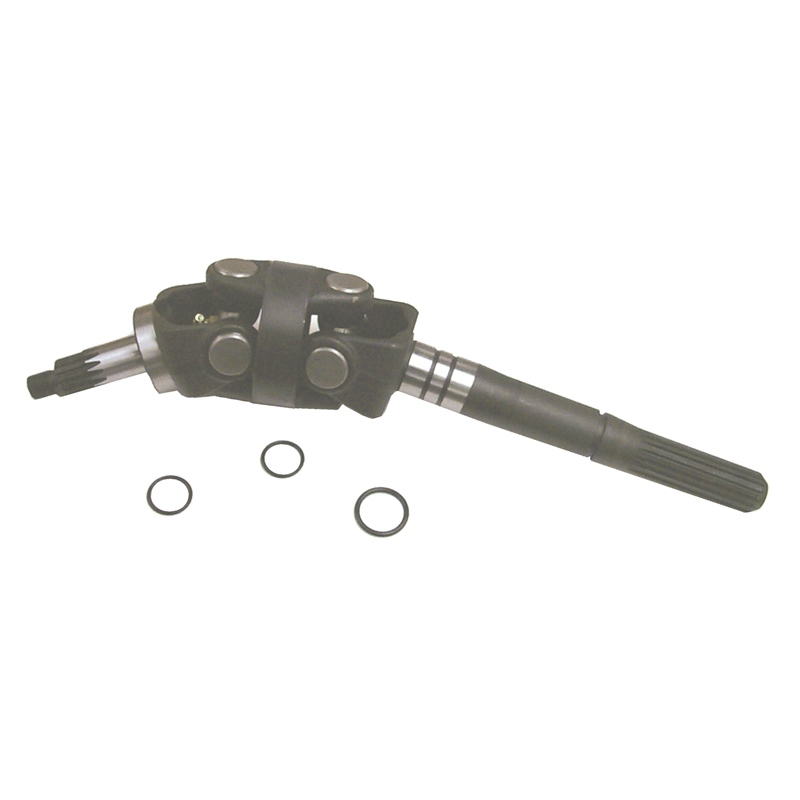 Representative Photo, actual item may vary

What Are CV Joints and Why Do They Matter?
Constant Velocity (CV) joints are a critical component of any drivetrain. CV joints are mechanical connections designed to transfer rotational power between two shafts while allowing those shafts to operate at an angle to one another — all without any appreciable increase in friction or loss of speed. In plain terms, they keep your drive system running smoothly no matter how much the shaft angles shift during operation.
In RV and marine applications, this capability is especially valuable. CV joints can function at angles up to 40 degrees — far beyond what traditional universal joints (U-joints) can reliably handle — making them ideal for the dynamic, variable-load environments that boats and large recreational vehicles encounter every day. In marine settings specifically, a CV joint allows for efficient power transfer to the propeller regardless of shaft alignment, which can vary with load and operating conditions on the water.
CV Joints vs. Universal Joints: Understanding the Difference
Traditional U-joints have long been used in drivetrain applications, but they come with a notable shortcoming: as the operating angle increases, the rotational speed of the driven shaft fluctuates, producing vibration and pulsation. CV joints solve this problem by maintaining a consistent velocity between the driving and driven shafts at all times. The result is smoother power delivery, reduced vibration, and less wear on connected components like bearings, gearboxes, and transmissions.
In marine environments, where engine alignment and hull flex introduce constant movement, this vibration reduction is not just a comfort feature — it directly extends the service life of your entire drivetrain.
Signs of a Worn CV Joint
Like any mechanical component, CV joints eventually wear out. Common warning signs include:
- Clicking or popping noises during turns or acceleration
- Grease leaking from a torn or cracked CV boot
- Vibration or shuddering during operation
- Visible grease splattered around the joint area
The rubber CV boot plays a key protective role — it keeps lubricating grease in and contaminants out. Once a boot tears, moisture and debris quickly accelerate joint wear, often leading to full joint replacement. Regular inspection of boots and joints is the most effective preventative maintenance strategy.
Top CV Joint Brands
MEYLE is a German aftermarket parts manufacturer with a reputation for engineering components that meet or exceed OE specifications. Their CV joints are a top choice for enthusiasts and professionals who demand precision and durability in demanding drivetrain applications.
Febi is another respected German brand known for high-quality OE-equivalent drivetrain components. Febi CV joints are engineered to exacting tolerances, making them a reliable replacement option for a wide range of applications.
EMPI has decades of experience in drivetrain and powertrain components, particularly in the performance and off-road segment. Their CV joint offerings are well-regarded among enthusiasts who need proven reliability under stress.
Moose Racing brings a purpose-built approach to CV joints for powersports and off-road use. With a broad catalog of 13 CV joint products, Moose Racing is a go-to source for riders and operators who put their machines through tough terrain and heavy use.