



Engine Oil Coolers
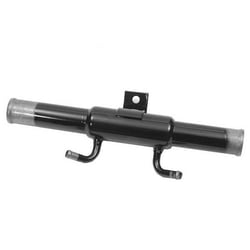

What Is an Engine Oil Cooler and Why Does It Matter?
An engine oil cooler is a specialized heat exchanger designed to regulate the temperature of your engine's lubricating oil. As oil circulates through your engine, it absorbs heat from friction-generating components — and if that heat isn't managed, the oil can break down, lose its viscosity, and fail to protect critical moving parts. In RV and marine engines, where loads are sustained, RPMs can run high for extended periods, and ambient cooling airflow is often limited, keeping oil temperatures in check is especially important.
Engine oil coolers work by routing hot oil through a network of tubes or passages where heat is transferred away — either to airflow passing over fins (air-cooled designs) or to a water source flowing in the opposite direction (water-cooled designs). In marine applications, this cooling water is typically drawn from the surrounding body of water, making the system highly efficient. The oil and coolant flow in a counterflow arrangement to maximize heat transfer before the oil is returned to the engine at a safe operating temperature.
Why Oil Cooling Is Critical in Marine and RV Engines
Marine engines frequently operate at high RPM for extended cruising sessions — significantly more rev-hours than a comparable road engine. This sustained output generates substantial heat that must be managed to preserve both oil quality and engine longevity. Properly cooled oil delivers several key benefits:
- Extended oil life: Keeping oil at the correct temperature slows thermal breakdown, meaning longer intervals between changes and better protection throughout.
- Reduced engine wear: Cooler oil maintains its viscosity and lubricating film strength, reducing friction and wear on bearings, pistons, and other moving parts.
- Improved reliability: A properly cooled engine is far less prone to overheating events — especially important when you're miles offshore or far down a remote highway in your RV.
- Protection for turbocharged engines: Turbos rely heavily on oil for both lubrication and cooling; an oil cooler is often essential in turbocharged marine and RV powerplants.
Choosing the Right Engine Oil Cooler
Selecting the correct oil cooler for your application requires matching the unit to your engine's heat rejection demands. Larger or more powerful engines generate more thermal load and need a cooler with greater capacity. In marine environments, water-cooled units are generally preferred for their superior heat transfer efficiency, while air-cooled designs can work well in RV applications with adequate airflow. Always verify fitment against your engine model and pay close attention to port sizing and mounting configurations to ensure a proper installation.
It's also worth noting that quality matters significantly in this component category. A failing oil cooler can allow water to contaminate the oil — or oil to leak into the cooling circuit — both of which can cause rapid and expensive engine damage. Choosing a unit built to OE standards and tested for pressure integrity provides important peace of mind.
Top Brands in Engine Oil Coolers
When it comes to dependable engine oil coolers, Nissens stands out as a trusted name among professional technicians and serious enthusiasts alike. With over a century of thermal engineering expertise, Nissens designs its oil coolers specifically for the aftermarket, engineering them to match or exceed OEM specifications. Each unit undergoes rigorous in-house pressure-impulse testing, and many are available as complete assemblies with housings, gaskets, and ancillary valves included for a streamlined installation experience.