



Folding/Grapnel Anchors
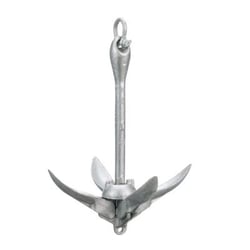

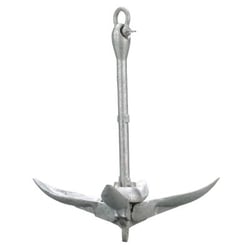
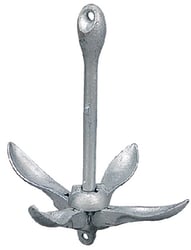

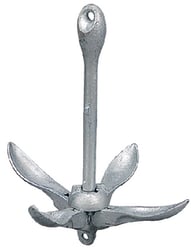

What Are Folding & Grapnel Anchors?
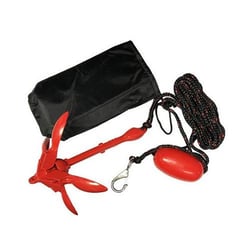
Folding and grapnel anchors are compact, multi-tined anchors designed to grip a wide variety of bottom types — including rock, coral, weeds, and debris — making them one of the most versatile anchoring solutions available to boaters. Unlike traditional plow or fluke-style anchors, grapnel anchors feature several curved tines (typically three to five) that radiate outward from a central shank, hooking into whatever substrate lies beneath your vessel. Folding versions take this design one step further, allowing the tines to collapse flat against the shank for effortless stowage in tight spaces.
Where Are They Used?
These anchors are especially popular among owners of small watercraft — kayaks, canoes, inflatables, jon boats, and dinghies — where deck space is at a premium and a large, heavy anchor would simply be impractical. They're also a favorite for personal watercraft (PWC) riders who need a quick, lightweight solution to hold position in calm coves or near shorelines. Because they stow so compactly, many boaters keep a folding grapnel anchor aboard larger vessels as a secondary or emergency anchor.
How Do Grapnel Anchors Work?
The holding power of a grapnel anchor comes from its tines snagging on bottom structure — rocks, submerged vegetation, reef formations, or debris. This makes them particularly effective in rocky or grassy bottoms where traditional anchors struggle to get a bite. However, it's worth noting that grapnel anchors are generally better suited to temporary stops and calm-to-moderate conditions rather than overnight anchoring in open water or strong currents. For the best holding power, always deploy adequate scope — typically a 5:1 to 7:1 ratio of rode length to water depth.
Key Features to Consider When Shopping
- Weight & Size: Folding grapnel anchors are available in a range of weights, typically from 1.5 lbs to 15 lbs or more. Match the anchor weight to the size and type of your vessel — heavier boats in stronger currents need more holding power.
- Number of Tines: More tines can mean better grip in complex bottom terrain, but also a higher chance of the anchor snagging permanently. Look for models with a weed guard or breakaway rigging for easier retrieval.
- Materials: Most folding grapnel anchors are constructed from galvanized steel or stainless steel for corrosion resistance in saltwater environments. Some lightweight models use vinyl-coated or powder-coated finishes for additional protection.
- Fold Mechanism: Check that the folding hinge or locking mechanism is robust and easy to operate — you want tines that lock securely open when deployed and fold flat reliably for stowage.
- Included Accessories: Some anchors come bundled with a length of chain, anchor rope, or a storage bag, which can add convenience and value.
Safety & Best Practices
Always attach your anchor rode to a bow cleat rather than the stern to prevent swamping in current or wake. Inspect the tines and hinge mechanism before each outing for signs of corrosion, bending, or fatigue. When retrieving a snagged grapnel anchor, try motoring slowly over the anchor point and pulling straight up — many models are designed to reverse their tines under upward load, freeing them from snags. Carrying a dedicated anchor float or buoy on the rode can also assist with retrieval and serves as a visual marker for other boaters.
Whether you're drifting over a fishing hole, taking a lunch break on the water, or need a dependable backup anchor aboard a larger vessel, a quality folding or grapnel anchor delivers the portability and versatility that modern boaters demand.