



Garmin Radars
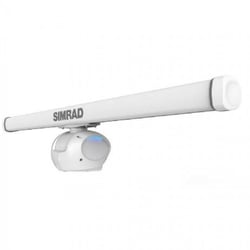

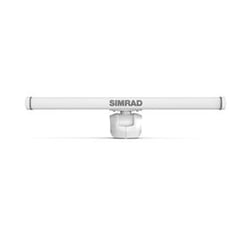
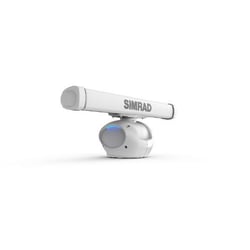
Simrad 000-15760-001 HALO 2006 Radar 6' Open Array 50W Pulse Compression
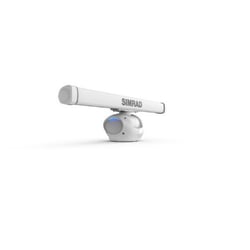
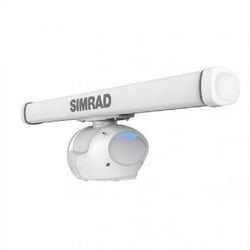
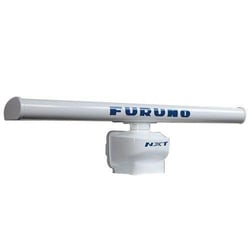
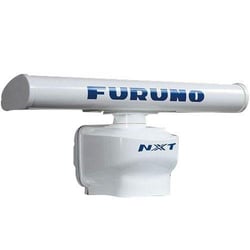
Furuno DRS25ANXT4 Solid-State Radar Pedestal with 4ft Array and 15M Cable

What Is a Marine Radar and Why Does It Matter?
Marine radar is one of the most critical safety tools aboard any vessel. Marine radars use electromagnetic radio waves to detect and locate objects — from other boats and channel markers to landmasses and approaching storm cells — providing a 360-degree view of your surroundings in real time. Unlike relying solely on your eyes or GPS charts, radar works in conditions where visibility falls to zero: heavy fog, rain squalls, and nighttime passages where hazards may be invisible until it's too late.
Understanding how radar works helps you get the most from it. A pulse of electromagnetic energy is transmitted from the antenna, bounces off targets, and returns to the unit — revealing range and bearing with remarkable precision. Modern systems build on this core principle with technologies like solid-state pulse compression, Doppler-based target coloring, and seamless integration with multifunction displays (MFDs) and chartplotters. Whether you're threading through a crowded harbor or running offshore, a radar system gives you the situational awareness to navigate with confidence.
Radome vs. Open-Array: Choosing the Right Antenna
There are two primary antenna configurations available: radome and open-array. A radome houses the rotating antenna inside a fixed, sealed dome — compact, lower-profile, and ideal for smaller vessels or installations where wind resistance is a concern. An open-array exposes the antenna element directly, allowing for a longer arm and narrower beam width, which translates to sharper target separation and greater range — preferred on larger cruising and sportfishing boats. Within each form factor, you'll find both traditional magnetron and newer solid-state technology, the latter offering near-instant startup times, lower power consumption, and Doppler target-tracking capabilities.
Key Features to Look For
- Doppler / VelocityTrack: Color-codes moving targets so approaching vessels are immediately distinguishable from stationary ones
- MARPA Target Tracking: Monitors multiple contacts simultaneously, displaying projected course and collision risk
- Dual Range Mode: Displays two different detection ranges at once — great for watching distant weather while watching for nearby hazards
- Auto Gain & Sea Filter: Automatically adjusts sensitivity to reduce clutter from waves, rain, and interference
- Bird Mode: Tunes signal processing to locate flocks of birds on the water's surface — a valuable tool for anglers
- Chart Overlay: Layers live radar returns directly on your navigation chart for intuitive situational awareness
Top Brands in Marine Radar
Simrad is widely regarded as a leader in solid-state radar technology. Their flagship HALO® series uses pulse compression technology for superior target resolution, detecting objects from as close as six meters out to 72 nautical miles. The HALO lineup features VelocityTrack™ Doppler technology, ZoneTrack™ automated vessel monitoring, and near-instant startup from standby — capabilities that set a high bar in recreational marine radar.
Furuno brings a legendary pedigree to marine radar, having consistently won the NMEA (National Marine Electronics Association) award for Best Radar over many years. Their DRS-NXT solid-state series features Target Analyzer technology, which automatically color-codes approaching vessels as hazardous targets, along with RezBoost™ beam sharpening for crisp, detailed returns. Furuno's range spans from compact recreational units to commercial-grade systems, making them a trusted name across the full spectrum of marine applications.
Garmin rounds out the top tier with their GMR Fantom and GMR xHD radar families. The Fantom series leverages solid-state technology with Garmin's proprietary MotionScope™ Doppler capability, which highlights moving targets with color-coded threat levels directly on the chartplotter. Garmin's radars integrate deeply with their GPSMAP and ECHOMAP ecosystems, offering features like dual-range with chart overlay, auto bird gain, and cross-talk rejection to eliminate interference from nearby radar sources.