



Gas Springs


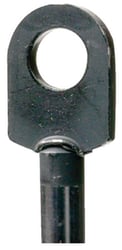
Attwood Marine SL1-40-5 Gas Spring 10" Extended 7" Compressed 40 lbs Blade Style

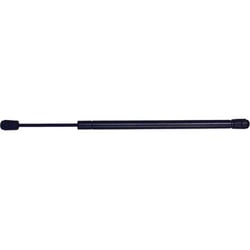
Attwood Marine SL34-80-5 Ni-Slide Gas Spring 80 lb 20 Inch Extended 12 Inch Compressed
 Representative Photo, actual item may vary

Attwood Marine SL2-40-5 Gas Spring 15" Extended 9.5" Compressed 40 lbs Blade Style
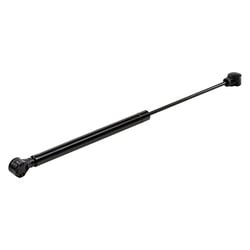

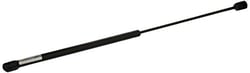

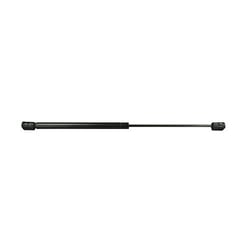

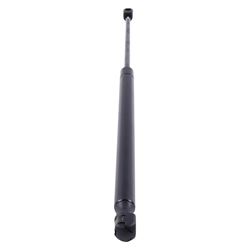
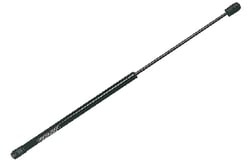
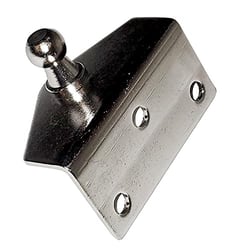
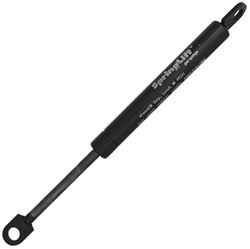
Attwood Marine SL33-60-5 Gas Spring 15" Extended 9.5" Compressed 60 lbs Force
Attwood Marine SL35-30-5 Gas Spring 8.46" Extended 12.04" Compressed 30 lbs Force




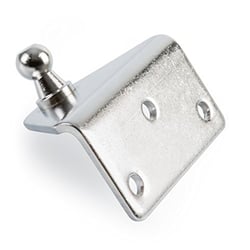



Attwood Marine SL36-50-5 Gas Spring 17.2" Extended 10.2" Compressed 50 lbs Force
What Are Gas Springs?
Gas springs — also called gas struts, gas props, or gas shocks — are compact mechanical devices that use compressed gas to provide smooth, controlled lifting force. They make heavy hatches, lids, doors, and compartment covers feel nearly weightless, and hold them securely open so you can work with both hands free. If you've ever effortlessly popped open a car trunk or raised an RV storage bay door without straining, you've experienced a gas spring in action.
Unlike traditional coil springs that increase resistance as they compress, gas springs deliver a much more consistent force throughout the full range of motion. This steady, predictable lift is exactly what makes them indispensable in RV and marine environments, where safety and convenience are equally critical.
How Gas Springs Work
A gas spring consists of a sealed cylinder containing a piston rod, compressed nitrogen gas, and hydraulic oil. When pressure is applied to the rod, the nitrogen compresses and the hydraulic fluid flows through precision orifices, controlling the speed of movement. When released, that stored pressure pushes back — lifting the lid, hatch, or panel with consistent, damped force. The sealed design means there's nothing to lubricate or adjust; the unit is essentially maintenance-free once installed.
RV & Marine Applications
In the RV world, gas springs appear on exterior storage bay doors, overhead cabinet lids, fold-down bed mechanisms, camper windows, and entry door supports. On boats, they're equally hardworking — supporting deck hatches, engine compartment lids, live-well covers, and cabin access panels. Holding open a heavy hatch in choppy water or while your hands are full of gear is where a quality gas spring earns its keep every single time.
Because marine environments expose hardware to constant moisture, salt spray, UV radiation, and temperature swings, material selection is critical. Look for gas springs constructed from 316 stainless steel, which offers superior corrosion resistance in both freshwater and saltwater conditions. For RV applications where corrosion is less severe, black nitride-coated steel bodies offer a durable and cost-effective alternative.
What to Consider When Shopping Gas Springs
- Force Rating (P1): Match the spring's lifting force to the actual weight of the hatch or lid. Too little force and it won't hold; too much and it stresses your hinges and mounting hardware.
- Extended & Compressed Length: Measure your existing strut or the available mounting space carefully — length determines stroke and how far the lid will travel.
- Material: Choose 316 stainless steel for saltwater marine use; black nitride steel is well-suited for RV and freshwater applications.
- Mounting Orientation: Gas springs are ideally installed with the piston rod pointing downward to prevent contaminants from settling on the rod and damaging the seals.
- Replacement in Pairs: When two gas springs are used on a single hatch, always replace both at the same time to maintain balanced, even lift.
Top Brands in Gas Springs
JR Race Car brings a focused selection of gas springs designed for demanding applications across RV, trailer, and recreational vehicle platforms. Their springs feature durable black nitride shafts and are engineered as straightforward, reliable replacements that work across a wide variety of fold-down beds, compartment doors, and tonneau covers.
Whitecap Industries has been a trusted name in marine hardware since 1972, and their gas spring lineup reflects that decades-long commitment to quality on the water. Whitecap offers springs in both 316 stainless steel and heat-cured black nitrate finishes, with precision-engineered piston assemblies and hydraulic fluid formulated specifically to provide smooth end-of-travel damping — ideal for boat hatches and marine compartments.