



General Boating Vests

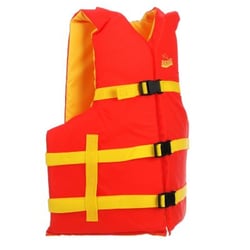

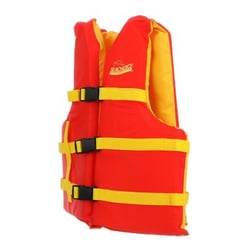
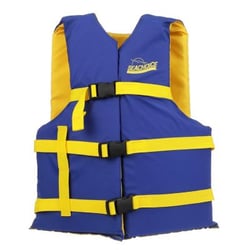
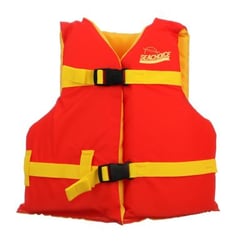
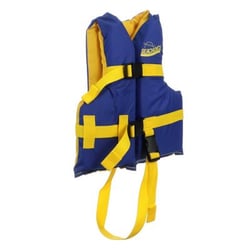
General Boating Vests: Your First Line of Defense on the Water
A boating vest — more formally known as a Personal Flotation Device, or PFD — is the single most critical piece of safety gear you can bring aboard. Drowning is the leading cause of death in boating accidents, and even strong swimmers can be quickly overwhelmed by cold water, unexpected currents, or sudden fatigue. A properly fitted, USCG-approved boating vest keeps your head above water and provides vital flotation when it matters most, buying the time and energy needed for rescue in difficult conditions.
Understanding PFD Types
Not all boating vests are created equal — choosing the right type for your activity and water environment is essential. The U.S. Coast Guard classifies wearable PFDs into several types, each suited to different conditions:
- Type I (Offshore Life Jacket): Provides the most buoyancy and is designed for open, rough, or remote waters where rescue may be delayed. It is designed to turn most unconscious wearers face-up in the water, making it the strongest performer in harsh conditions.
- Type II (Near-Shore Buoyant Vest): Intended for calm, inland waters or situations where there is a good chance of quick rescue. These are reliable, straightforward vests well-suited to casual family boating.
- Type III (Inshore/General Use Vest): The most popular choice for recreational boating, fishing, and watersports on protected inland waters. Type III vests offer a balance of comfort and safety, with styles ranging from foam float coats to neoprene sport vests.
- Type V (Special Use Device): Designed for specific activities like windsurfing, kayaking, or waterskiing, and must be worn at all times while underway to satisfy Coast Guard requirements.
It's worth noting that the traditional Type I–V labeling system is gradually being replaced by a performance-based system using buoyancy levels (Level 50, Level 70, Level 100+). Level 70 is roughly equivalent to the familiar Type III and is the standard for general recreational boating.
Key Factors When Choosing a Boating Vest
Fit is one of the most critical aspects of life jacket safety — a vest that is too loose could slip off, while one that is too tight could impair breathing or movement. Adults should size by chest measurement; children's sizes are based on weight, and youth models should include crotch straps for a secure, non-slip fit. Shell materials also matter: neoprene vests fit snugly, stretch when wet, and offer warmth ideal for active watersports, while nylon-shell vests with foam cores dry quickly and deliver solid performance at a more accessible price point. Always look for the USCG approval label and confirm the vest is appropriate for your specific activity and water conditions before heading out.
Federal law requires every recreational boat in the U.S. to carry a properly fitting, USCG-approved life jacket for each person on board — making a well-stocked selection of boating vests a legal necessity as much as a safety one. Inspect your PFDs each season for rips, broken buckles, mold, or UV damage, and store them in a cool, dry place out of direct sunlight to preserve their integrity.
Top Brands in General Boating Vests
When it comes to reliable, coast-guard-approved boating vests at accessible price points, Seachoice is a go-to name for boaters. Seachoice is committed to delivering quality marine accessories to fishing, boating, and watersports enthusiasts, offering a wide-ranging product line — from Type II foam vests and neoprene sport PFDs to youth and infant sizes — all while remaining affordable for families and casual boaters alike.