



Hatches
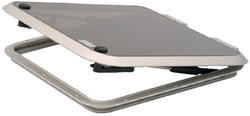

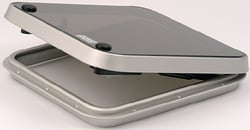
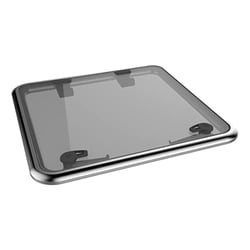

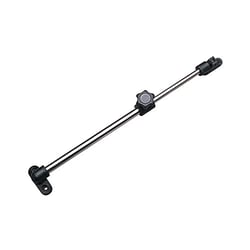

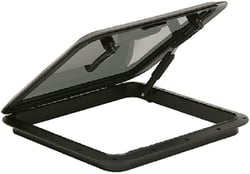
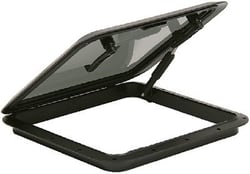
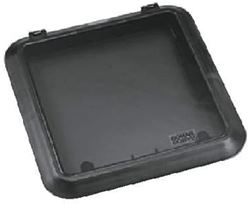
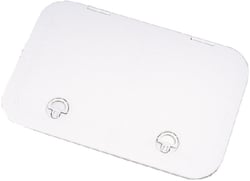
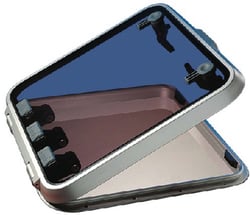
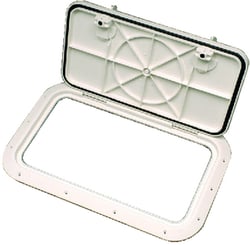
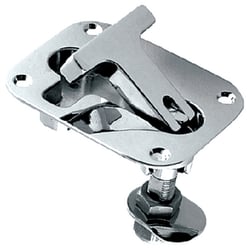

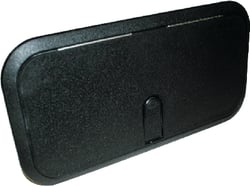
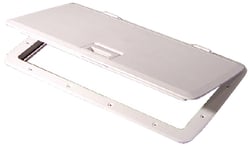
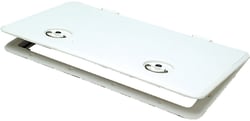
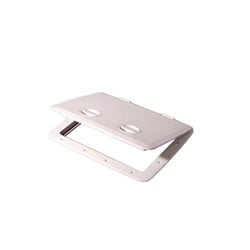
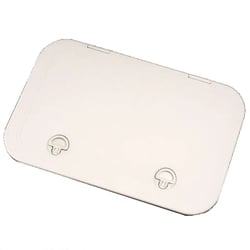
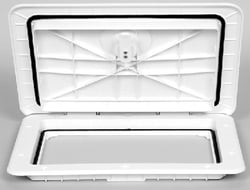
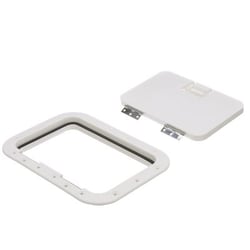
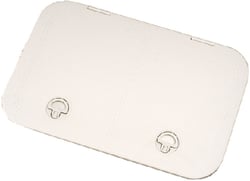
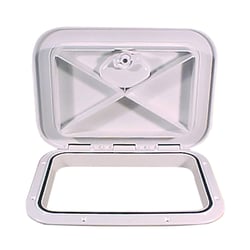
T-H Marine HDS11151DP Designer Series Access Hatch 11x15 Inch White Non-Locking

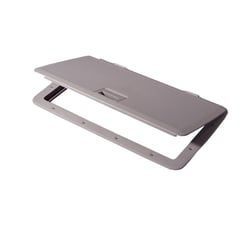
 Representative Photo, actual item may vary



What Are Marine & RV Hatches?
Hatches are framed openings fitted with hinged or sliding panels that provide controlled access to below-deck compartments, storage areas, mechanical systems, and living spaces on boats and recreational vehicles. Far from being simple lids, a well-chosen hatch balances three critical functions: ventilation, watertight integrity, and safe access — all while enduring years of UV exposure, saltwater spray, and heavy foot traffic.
Why Hatches Matter for Boats and RVs
Proper airflow aboard a vessel or RV isn't just about comfort — it's a safety issue. Stagnant air in enclosed cabins accelerates mold and mildew growth, promotes condensation, and can allow dangerous fuel vapors to accumulate. Marine ventilation systems, including opening hatches, are the first line of defense against these hazards. In fact, ventilation requirements for gasoline-powered boats have been codified in U.S. law since the 1940s, and relevant international standards such as ISO 12216 govern hull openings and superstructures on recreational craft.
On the RV side, roof hatches serve double duty: they promote natural cross-ventilation to keep living quarters cool and fresh, and many are designed as emergency escape routes — a critical safety feature for any camper or motorhome.
Types of Hatches to Know
- Deck Access Hatches: Designed with robust construction to withstand foot traffic and surface loads. Typical features include non-skid lids, reinforced frames, and secure latching to prevent inadvertent opening.
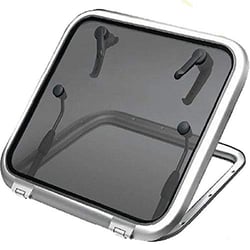
- Ventilation Hatches: Engineered to enhance cabin airflow and help control humidity and condensation. They commonly feature adjustable opening angles, insect screens, and UV-resistant glazing to let in fresh air and natural light simultaneously.
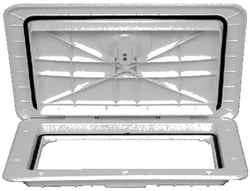
- Watertight / Offshore Hatches: Built for maximum sealing to keep out moisture, spray, and heavy water. These use gasketed lids and compression latching with rigid frames that maintain a seal even under load — essential for bluewater cruising or harsh-weather conditions.
- Flush-Mount Hatches: Sit level with the deck surface, minimizing trip hazards and maintaining a vessel's streamlined appearance. Despite their sleek profile, quality flush-mount hatches deliver watertight or weathertight performance.
- Raised / High-Profile Hatches: Elevate the hatch opening above deck level to protect against water pooling and wave wash. Ideal for workboats, fishing vessels, and offshore platforms where added freeboard is critical.
- Lens / Skylight Hatches: Incorporate a clear or tinted acrylic or glass panel to bring natural light below deck while maintaining watertight integrity — popular on sailboats and cruisers.
- RV Escape & Roof Hatches: Serve as both emergency exits and ventilation points. They are typically built with extruded aluminum frames and ABS or polycarbonate domes, with foam seals and insect screens.
Key Considerations When Shopping for Hatches
Choosing the right hatch starts with understanding your application. Here are the most important factors to evaluate:
- Profile Height: Low-profile and flush-mount designs minimize snagging hazards and windage, while higher-profile units offer greater sealing depth and ventilation area.
- Material: Anodized aluminum frames resist corrosion and provide structural strength. Acrylic and polycarbonate lenses offer light transmission and impact resistance. UV-stabilized plastics such as ABS and high-grade ASA are common for access and RV hatches. Marine-grade polyethylene (Starboard) is another durable option.
- Latch Type: Slam latches provide quick, positive closure in active environments; cam latches allow adjustable compression on gaskets; lockable options secure sensitive compartments. Choose based on your access frequency and waterproofing needs.
- Lid Support: Gas shocks assist with easy opening and hold the lid open safely. Friction hinges hold the hatch at any angle. Simple spring supports work well for lighter lids. Match the support type to the size and weight of your hatch.
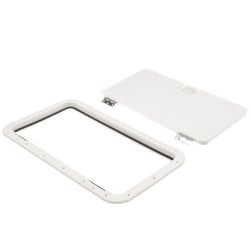
- Sizing & Fit: Always match the cutout size, corner radius, and panel thickness to the product's specification sheet. Many manufacturers offer replacement models and adapter rings for older boats, making retrofit projects straightforward.
- Screens & Shades: For ventilation hatches, look for UV-resistant mesh insect screens. Magnetic or tension-fit screens allow quick removal in emergencies while keeping bugs out during calm anchoring.
- Seals & Gaskets: Inspect rubber gaskets regularly for dry rot or hardening. A compromised seal allows water intrusion and reduces ventilation efficiency. Replace gaskets that no longer spring back when pressed.
Installation Tips
Most hatch installations follow the same fundamental steps: dry-fit the replacement to verify cutout dimensions, clean the installation surface thoroughly of old sealant and debris, apply a bead of marine-grade sealant under the flange, set the hatch firmly in place, and torque fasteners to spec. Periodic inspection of gaskets and hardware — at least once per season — keeps hatches performing reliably for years.