



Holding Tanks & Waste Treatment Systems
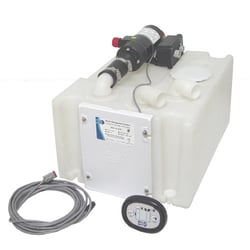
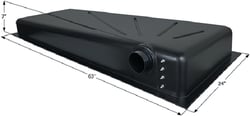
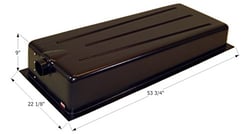
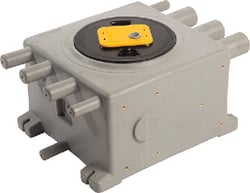
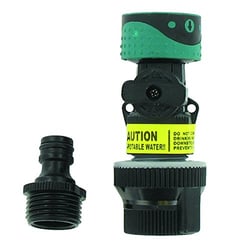
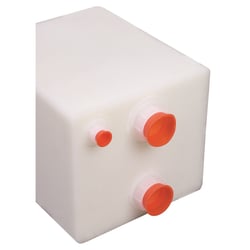
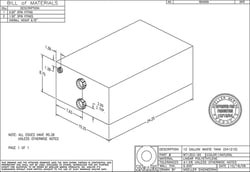
Jabsco 38110-0092 Type III MSD 12 Gallon Waste Management System with Macerator Pump

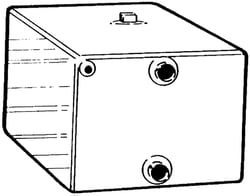

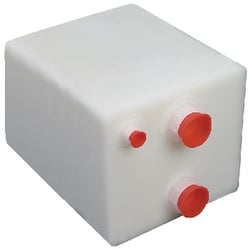
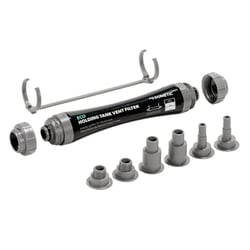

 Representative Photo, actual item may vary




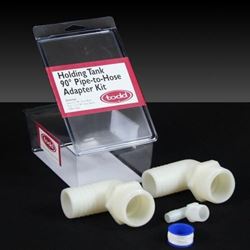

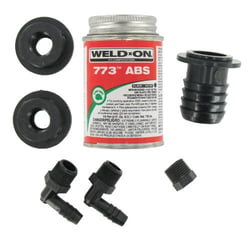
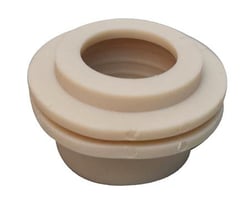
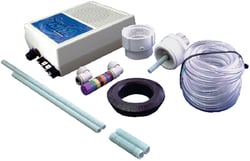

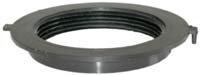
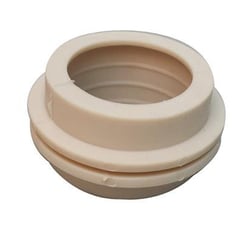
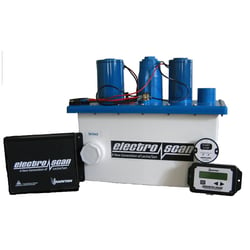

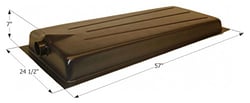
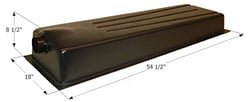
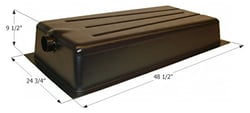
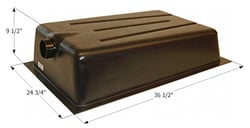
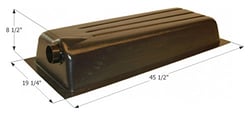
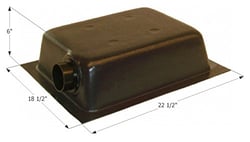
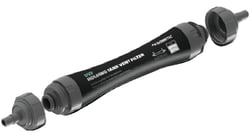

- 1
- 2
Understanding RV & Marine Holding Tanks and Waste Treatment Systems
Whether you're navigating open water or rolling down the highway in a motorhome, a reliable waste management system is one of the most critical — and often underappreciated — aspects of life aboard. Holding tanks and waste treatment systems are what allow RVs and marine vessels to function as truly self-contained units, giving you the freedom to travel without leaving a trace of wastewater behind.
The Three Core Tank Types
Most RVs and larger vessels operate with two or three distinct holding tanks, each serving a unique purpose:
- Black Water Tanks — These handle the most demanding job: containing raw sewage from onboard toilets. A black water tank must be completely sealed and odor-resistant. Because it holds solid waste, material integrity is paramount.
- Grey Water Tanks — Grey water is the wastewater that flows from sinks, showers, and galley drains. While it doesn't contain raw sewage, it can still develop odors and cause significant damage if it leaks or overflows.
- Fresh Water Tanks — Separate from the waste system, fresh water tanks store potable water for drinking, cooking, and washing when you're off-grid or away from shore connections.
Waste Treatment Systems: Keeping Things Clean and Compliant
Simply storing waste isn't enough — active waste treatment is essential for odor control, tank longevity, and environmental compliance. Modern holding tank treatments fall into several categories:
- Biological/Enzyme-Based Treatments — These products use live bacteria and enzymatic formulas to actively break down solid waste and toilet paper, reducing odors naturally and keeping sensors free from buildup.
- Chemical Treatments — Liquid and drop-in chemical solutions can quickly neutralize odors and accelerate waste breakdown, with many modern formulas designed to be biodegradable and free of harsh chemicals like formaldehyde.
- Macerator and Marine Sanitation Devices (MSDs) — Some marine vessels are equipped with sewage treatment systems that macerate and disinfect waste, allowing for environmentally safer discharge in approved areas.
Key Components of a Complete System
A holding tank doesn't operate in isolation. A well-functioning waste system depends on several supporting components working together:
- Tank Level Sensors & Monitors — Electronic or mechanical sensors monitor waste levels and help prevent dangerous overfilling. Keeping sensors clean and accurate is an important part of routine maintenance.
- Vent Lines & Odor Filters — Proper ventilation allows gases to escape the tank, minimizing pressure buildup and interior odors. Carbon vent filters add an extra layer of odor control.
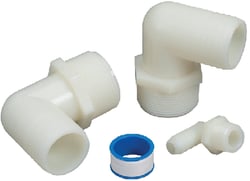
- Fittings, Valves & Hoses — Secure connections and quality fittings are essential for leak-free operation. Sanitation hoses should be inspected regularly for wear, permeation, and odor seepage.
Choosing the Right Holding Tank
Selecting a holding tank involves more than just picking the right size. Key factors include:
- Capacity — Match tank size to the number of occupants and how long you typically travel between pump-out or dump station visits.
- Material — Tanks are commonly made from polyethylene, fiberglass, or stainless steel. Polyethylene is widely used for its durability, resistance to corrosion, and impermeability to waste and odor over time.
- Regulatory Compliance — Marine installations must meet U.S. Coast Guard standards, while RV systems should be compatible with designated dump station infrastructure. Always dispose of waste at proper facilities, as regulations vary by state and waterway.
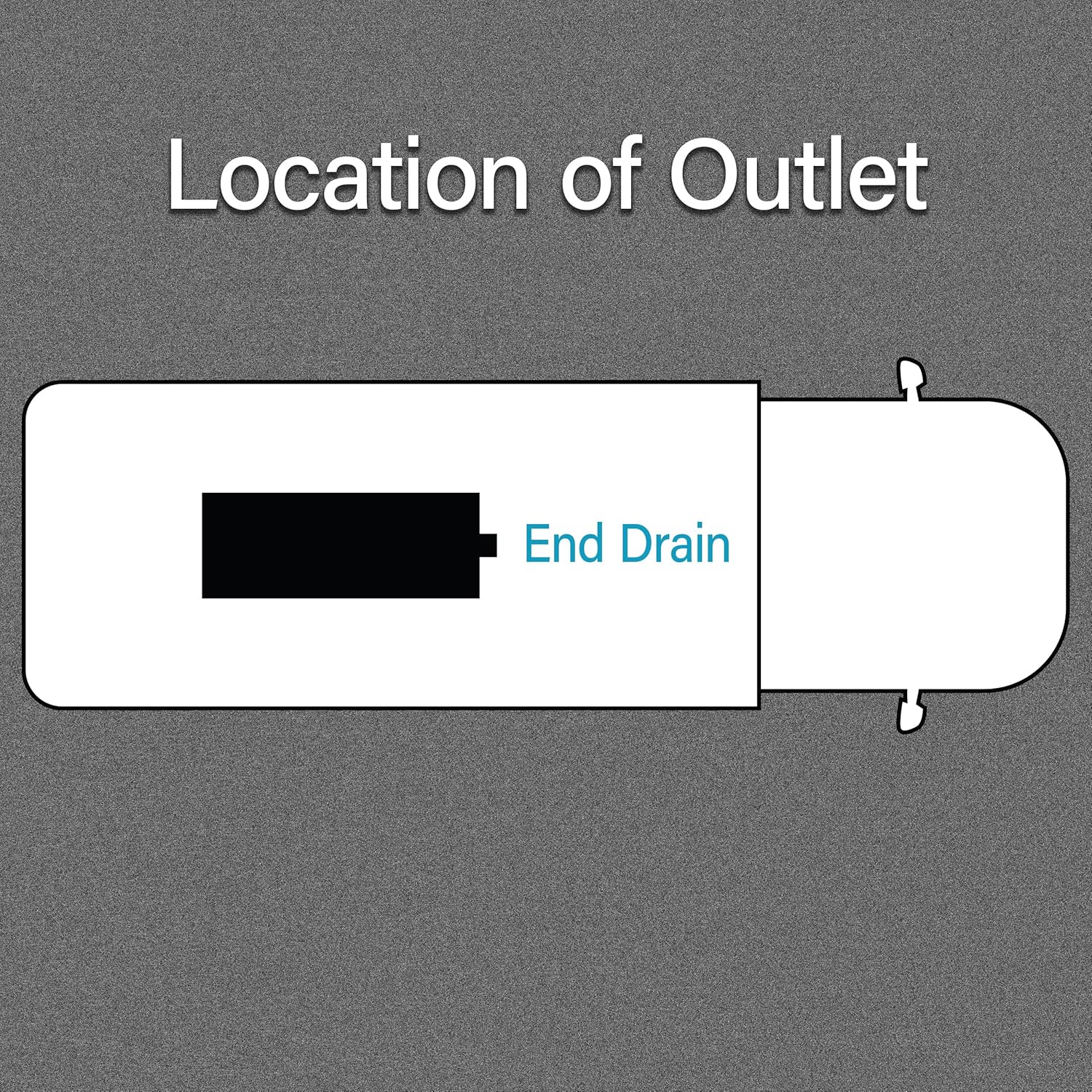
- Fit & Configuration — Tank shape, outlet location, and fitting positions must align with your existing plumbing layout. Custom or blank tanks with relocatable fittings can be essential for tight spaces or replacement jobs.
Maintenance Best Practices
Routine care extends the life of your holding tanks and keeps your system odor-free. Use appropriate tank treatments with every dump cycle, flush tanks thoroughly after emptying, inspect hoses and seals regularly, and ensure vent lines remain clear. For black water tanks, keeping the drain valve closed between dump sessions is critical — allowing liquid to drain continuously can leave solids behind, causing stubborn clogs and sensor interference.