



Hubbell Shore Power Adaptors
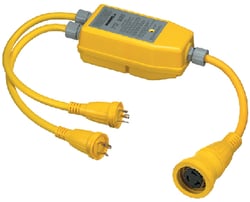
Hubbell YQ230 Intelligent Y-Adapter 50A 125/250V Female to 2x 30A 125V Male Marine Shore Power

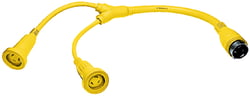
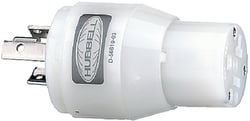
Hubbell HBL21CM29 15A/20A Straight Blade to 20A Twist Lock Adapter White 125V
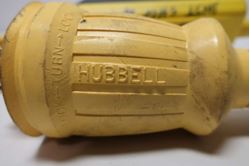
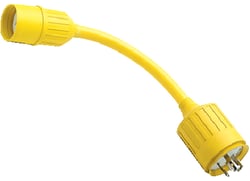
Hubbell HBL105 Watertight Power Adapter 15A/20A 125V Straight Blade to 30A 125V Locking
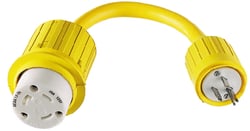
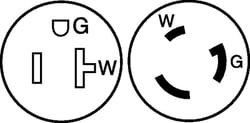
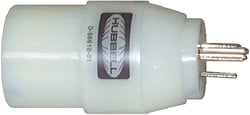
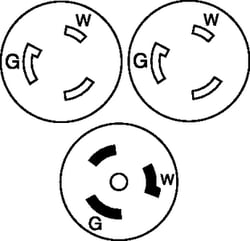
Hubbell HBL64CM57 Marine Y Adapter 50A 125V Male to Dual 30A 125V Female Twist-Lock
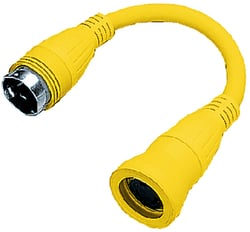
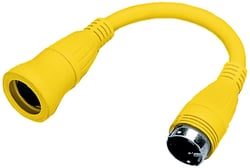
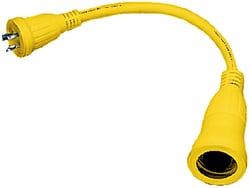
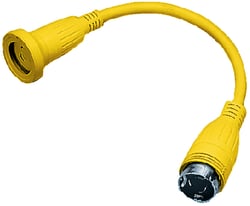
Hubbell HBL61CM56 Marine Shore Power Adapter 30A Female to 50A 125V Twist-Lock Male
What Are Shore Power Adaptors?
When you dock your boat or park your RV, having reliable access to AC electrical power makes all the difference between a comfortable stay and a frustrating one. Shore power adaptors are the essential bridge between the electrical service available at a dock pedestal or campground hookup and the inlet on your vessel or rig. Without the right adaptor, a mismatch in amperage ratings or plug configurations can leave you completely without power — or worse, create a dangerous electrical situation around water.
Shore power adaptors work by converting one plug type or amperage rating to another, allowing boaters and RV owners to connect to whatever power service is available at their location. Safe connections are essential when working with AC power around water, and that's why the quality and construction of these components matter enormously.
30 Amp vs. 50 Amp: Understanding Shore Power Configurations
The two most common shore power standards are 30-amp (125V, 2-pole, 3-wire) and 50-amp (125/250V, 3-pole, 4-wire). Smaller boats and entry-level RVs typically use 30-amp systems, while larger vessels and full-featured motorhomes often demand the higher capacity of a 50-amp service. Docks and marinas don't always offer both, so adaptors that allow temporary conversion between the two are among the most in-demand accessories for any boater or traveler.
It's important to understand that using a higher-amp adaptor on a lower-amp service — such as plugging a 50-amp boat into a 30-amp pedestal — means your onboard system will be limited to the capacity of the available service. These adaptors should be used thoughtfully and only for appropriate load levels.
Why Marine-Grade Construction Matters
Not just any electrical adaptor will do at a marina. Standard outdoor electrical hardware is not designed for the loads or conditions common at docks, where moisture, salt air, UV exposure, and vibration can quickly degrade inferior components. Marine-grade adaptors are built with corrosion-resistant materials and weather-resistant construction specifically engineered to withstand harsh saltwater environments. Twist-lock connection styles add an extra layer of security, preventing accidental disconnection from wave action or foot traffic on the dock.
Beyond durability, safety is paramount. Poor-quality connections introduce resistance, which generates heat and can become a fire hazard. A properly rated, marine-grade adaptor ensures clean, low-resistance electrical contact every time — protecting your boat, your batteries, and everyone on board.
Key Considerations When Choosing a Shore Power Adaptor
- Amperage compatibility: Match the adaptor's male plug to the dock pedestal and its female connector to your vessel's shore power inlet.
- Plug configuration: Common types include locking twist-lock (L5-30, SS2-50) and straight-blade styles — verify both ends before purchasing.
- Voltage rating: 30-amp systems run at 125V; 50-amp systems typically operate at 125/250V with separate hot legs.
- Weather resistance: Look for molded, one-piece construction and corrosion-resistant materials for long service life in marine environments.
- Load requirements: Never exceed the amperage rating of the weakest link in your power chain — the adaptor, cord, or pedestal breaker.
Whether you're pulling into an unfamiliar marina or setting up at a new campground, having the right shore power adaptor on board ensures you're never caught without the connection you need.