



Impellers
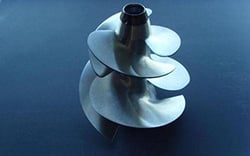

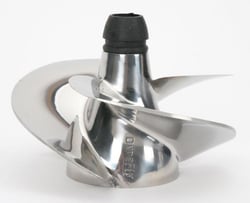
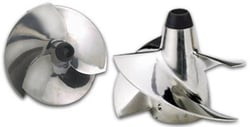
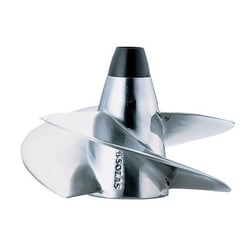
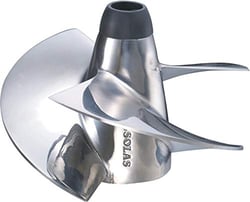
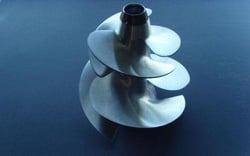
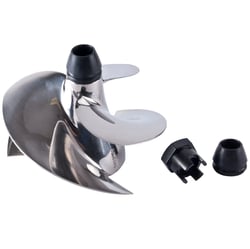
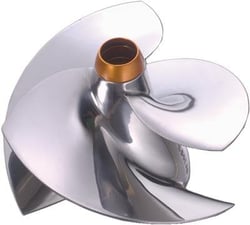
Solas YV-TP-12/20 TP-Series Twin Prop Impeller for Yamaha PWC - 160mm - 12/20 Pitch
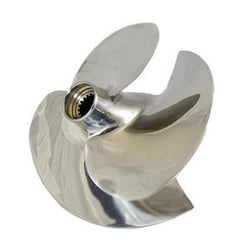
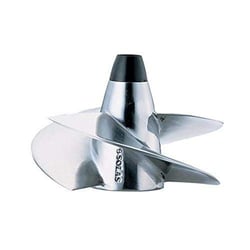
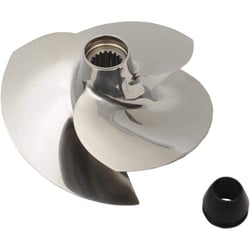
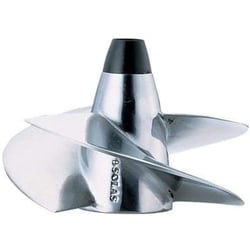
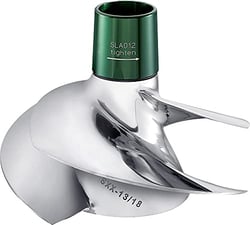
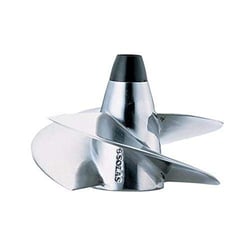
Solas SKCD1214 Concord 3-Blade Stainless Steel Impeller 12/14 Progressive Pitch
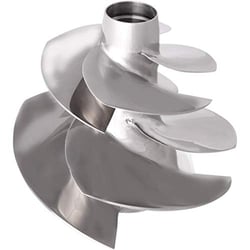
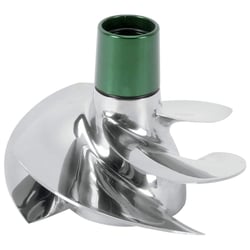
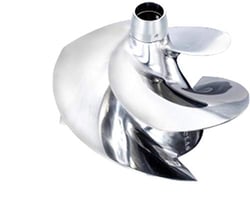
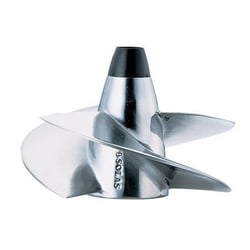
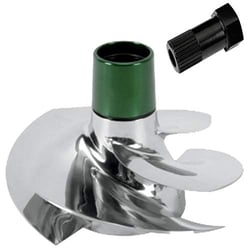
Solas YV-CD-13/20 Concord 3-Blade Stainless Steel Impeller for Yamaha 160mm PWC
What Is a Marine Impeller and Why Does It Matter?
The impeller acts as the heart of your vessel, circulating external water to regulate the engine's internal temperature. An impeller is an internal component of a water pump in boat engines — it functions by pumping raw water from a lake or sea into the engine or heat exchanger for cooling purposes, then expelling it through the hull or exhaust. Without a properly functioning impeller, your marine engine can overheat within minutes, causing serious and costly damage.
While a boat's propeller moves the vessel through the water, the boat's impeller moves water through the boat. This distinction is critical: the impeller is a maintenance part, not a performance accessory — though, as you'll see, it can be both. If a pump runs dry for even 30 seconds, the friction generates enough heat to melt the rubber. That's how unforgiving impeller failure can be.
Signs of a Worn or Failing Impeller
Over time, impellers wear out, become brittle, or break, reducing their ability to pump water effectively. Common warning signs include a rising temperature gauge, a weak or absent stream from the engine's tell-tale, or visible cracking in the rubber vanes. Several factors can cause impeller failure, including age and wear — where the rubber or plastic material breaks down over time — dry running, which can damage the impeller within seconds, and debris such as sand, weeds, and dirt that can clog or damage the vanes.
How Often Should You Replace an Impeller?
Most manufacturers recommend replacing the impeller annually or every 100 operating hours, whichever occurs first, to reduce the risk of overheating and pump damage. Impellers are usually replaced in the spring after the boat has been stored in a dry environment over the winter — this is when the impeller is most susceptible to failure. Even if the impeller looks intact, prolonged storage causes rubber to dry-rot and stiffen, making it prone to sudden failure on startup.
Choosing the Right Impeller
When selecting a replacement impeller, evaluate these core factors: model compatibility (match the impeller to the exact engine and pump model), material selection (choose based on temperature, oil exposure, and water type), and drive configuration (verify key, spline, pin, or flat drive requirements). Common materials include neoprene for general freshwater use, nitrile for oil resistance, and Viton for higher-temperature environments.
For personal watercraft (PWC) and jet boat owners, the impeller choice also directly affects performance. A properly matched impeller can improve acceleration, reduce cavitation, and sharpen throttle response — making it one of the most cost-effective upgrades available. Browse our full selection of marine impellers to find the right fit for your engine and riding style.
Top Impeller Brands
Solas is the dominant name in marine impellers for good reason. Founded by Dr. Solas Y.J. Lin in 1986, Solas is now one of the best-known and trusted names in propellers for outboard/stern drive and impellers for personal watercraft and jet boats. Solas is not just a performance brand — they are a global manufacturer of marine propulsion products used across personal watercraft, boats, and commercial marine applications, with extensive experience in propeller and impeller design giving them a deep understanding of hydrodynamics, efficiency, and durability. Their lineup spans everything from direct OEM replacements to race-proven performance upgrades.