



Paint Strainers, Stirs & Mixing Tools


Why Paint Strainers, Stirs & Mixing Tools Matter
Whether you're refreshing the hull of your boat or touching up the exterior of your RV, the quality of your prep work determines the quality of your final finish. Paint strainers, stir sticks, and mixing tools are the unsung heroes of any marine or RV paint project — they ensure that your coating goes on clean, consistent, and free of debris that can ruin an otherwise careful job.
Paint strainers, stirs, and mixing tools are purpose-built accessories designed to filter out contaminants, thoroughly blend paint components, and help applicators achieve a professional-grade result. Skipping these steps — or using improvised tools — is one of the most common causes of a blotchy, uneven, or prematurely failing paint job on a vessel or recreational vehicle.
Understanding the Tools
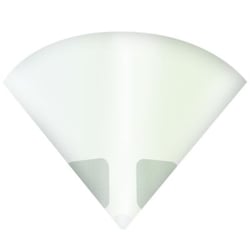
Paint strainers are mesh or nylon filters — often cone-shaped — placed over a paint container to catch dried flakes, dust, and debris before they reach your brush, roller, or spray gun. Seachoice's cone-type paint strainers use a medium nylon mesh that is ideal for most marine topcoat applications, and they're disposable for easy cleanup between coats. As a rule of thumb, fine strainers are best for clear varnishes and topside coatings where even the smallest particle can mar the finish, while medium strainers work well for antifouling paints and general topcoat work.
Stir sticks are equally critical. Marine and RV paints — especially antifouling formulas and two-part systems — contain heavy pigments and additives that settle at the bottom of the can over time. A dedicated stirring stick ensures these components are thoroughly re-integrated before application. For larger batches or two-part epoxy systems, drill-mounted mixing paddles provide the consistent, thorough agitation needed to fully activate hardeners and achieve an even color and texture throughout the mix.
Mixing cups with graduated markings take the guesswork out of blending two-part paints, primers, and varnishes. Getting the ratio of paint to activator or thinner precisely right is critical — too much or too little can affect dry time, adhesion, and long-term durability on a surface that will face saltwater, UV exposure, and physical abrasion.
What to Consider When Shopping
- Mesh fineness: Match the strainer mesh to your paint type. Fine mesh for varnishes and clear coats; medium mesh for most marine paints and topsides.
- Material compatibility: Nylon mesh strainers hold up well against oil-based and solvent-borne marine paints. Paper strainers can break down under heavy solvents, making nylon the preferred choice for most boat and RV applications.
- Single-use vs. reusable: Disposable strainers are convenient for quick jobs or when switching between paint types; polyester strainers can be cleaned and reused for ongoing projects.
- Mixing method: For small quantities, wooden stir sticks are sufficient. For larger batches or thick two-part systems, a drill-mounted paddle operating between 500–900 RPM delivers a thorough, uniform mix without introducing air bubbles.
- Volume: Make sure your strainer and mixing cup are sized appropriately for the amount of paint you're working with — especially when applying multiple coats over a full hull or large RV exterior.
Top Brands in Paint Strainers, Stirs & Mixing Tools
Seachoice is a well-established name in the marine maintenance space, offering a broad catalog of boat accessories and paint supplies trusted by recreational boaters. Their cone-type paint strainers feature a medium nylon mesh and are sold in convenient bulk boxes, making them a practical and cost-effective choice for any marine paint project — from a single-season antifouling refresh to a full hull repaint.