



Permanent/Below Deck Tanks
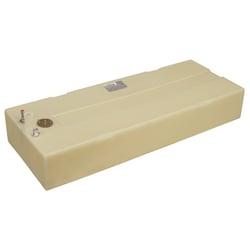

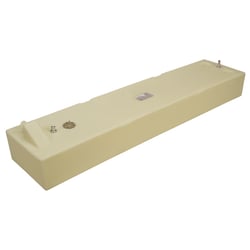
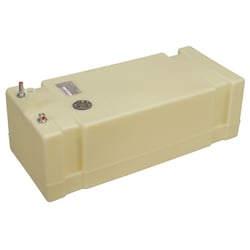
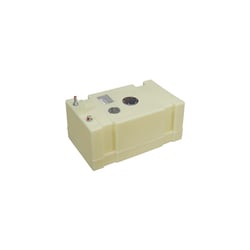
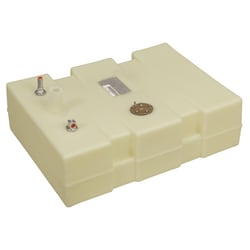
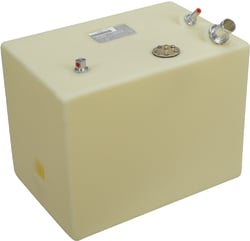
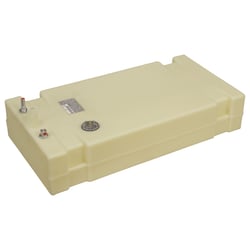
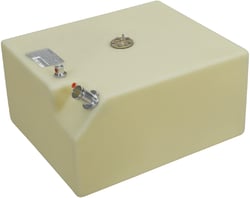
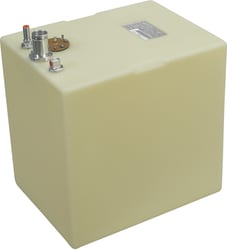
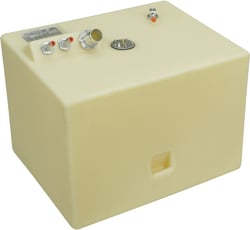
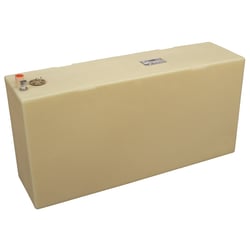
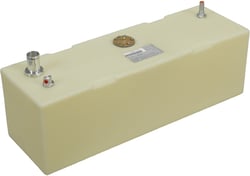
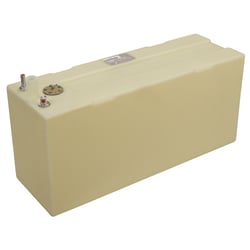
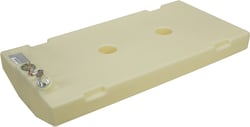
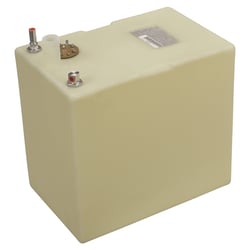
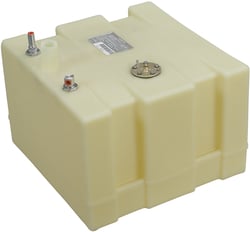
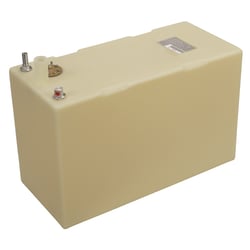
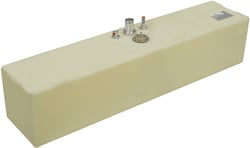
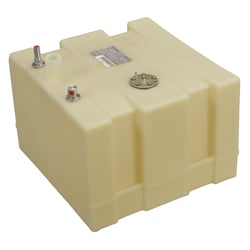
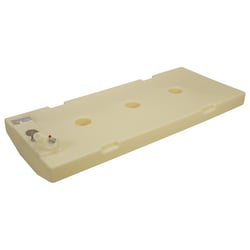
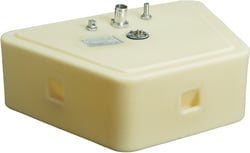
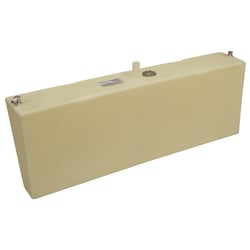
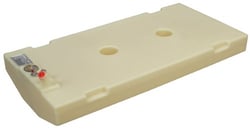
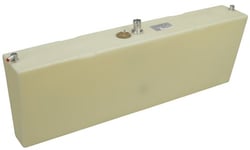
What Are Permanent/Below Deck Marine Fuel Tanks?
A permanent boat fuel tank is installed inside the hull and serves as your vessel's primary fuel storage system. Unlike portable tanks, permanent marine fuel tanks are secured below deck and integrated directly into your fuel lines, vent system, and fuel sending unit for consistent, reliable performance. These are the workhorses of the marine fuel world — purpose-built to stay put for the life of your vessel, handle large fuel volumes, and deliver reliable flow to your engine trip after trip.
Why Permanent Tank Selection Matters
Choosing the right fuel tank for your boat is an important decision that can affect the safety, efficiency, and overall performance of your vessel. There are several factors to consider when selecting a fuel tank, including size, material, and installation requirements. If you notice fuel odors inside the hull, visible corrosion, fuel contamination, or recurring delivery problems, it may be time for a boat fuel tank replacement. Upgrading to a modern marine fuel tank helps restore safety, efficiency, and long-term durability.
Material Options: What's Right for Your Boat?
Not all permanent tanks are built the same. The three primary materials each bring distinct trade-offs:
- Cross-Linked Polyethylene: Modern marine fuel tanks are commonly constructed from cross-linked polyethylene, which resists corrosion, ethanol-related degradation, and cracking from vibration.
- Aluminum: Aluminum tanks remain a strong option in certain applications and may include internal baffles to reduce fuel slosh when properly installed and protected from moisture. Aluminum is easy to work with, readily available, comparatively inexpensive, light, and strong.
- Stainless Steel: Stainless steel is the premium choice for permanent marine fuel tanks due to its exceptional strength and durability. While it is more expensive and more challenging to fabricate than other materials, it offers superior, long-lasting performance and is highly resistant to corrosion in marine environments.
Key Considerations When Shopping
Selecting the correct replacement boat fuel tank requires careful attention to capacity, dimensions, and fitting compatibility. Common sizes include 12, 18, 20, 24, and 30+ gallon options. Match your original capacity or choose a tank that supports your desired boating range. Measure length, width, and height precisely to ensure proper installation within your below-deck compartment.
Ensure your tank supports the correct fuel fill, vent, and pickup fittings. Many permanent marine fuel tanks are compatible with standard fuel sending units to maintain accurate fuel gauge readings.
Safety Standards and Installation
Confirm that your tank and its components meet relevant US Coast Guard, EPA, and ABYC guidelines before installation. For permanent tanks, professional installation is strongly recommended. The location should not interfere with the boat's balance or stability. Check that the tank meets all relevant safety regulations and standards before installation. Confirm the tank is properly vented and has a suitable capacity.
Don't Forget Supporting Components
Replacing a permanent boat fuel tank is an ideal time to inspect and upgrade related components. Consider installing a new deck fill gas cap, replacing worn boat fuel lines and hoses, and updating fittings to ensure a complete, reliable fuel system. A well-planned below-deck fuel system isn't just about the tank itself — it's the sum of all its parts working together safely and efficiently.