



Pump Strainers
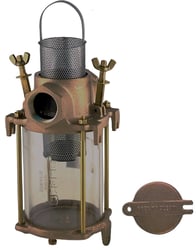
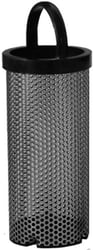
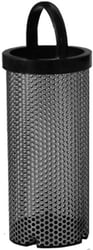
Perko 049300599D 304 Stainless Steel Strainer Basket Size 5 for 3/4" Intake Strainer

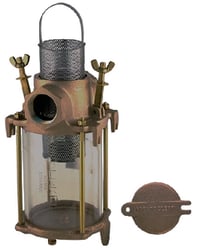
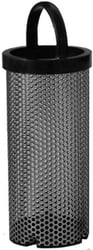
Perko 049300899D Replacement Strainer Basket Size 8 for 1-1/2" NPT Marine Water Strainers
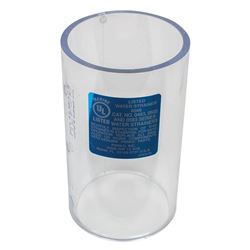
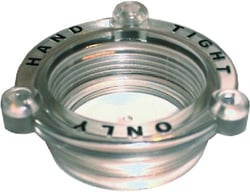
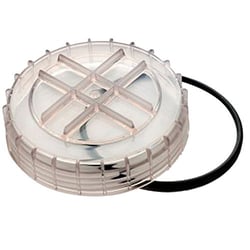
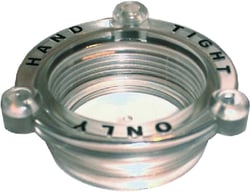
Perko 049300799C Spare Transparent Cylinder for 0493 Series Intake Water Strainer 1-1/4"
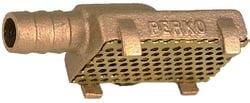
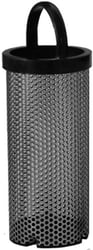

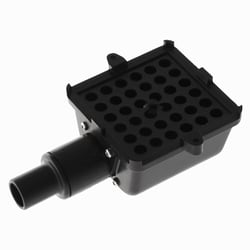

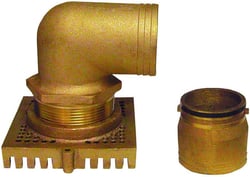

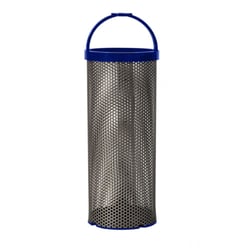
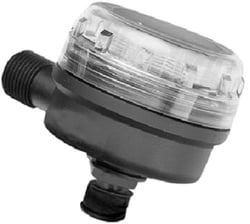

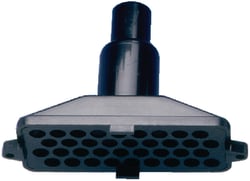
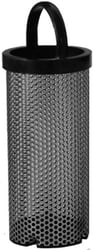
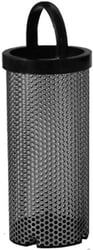
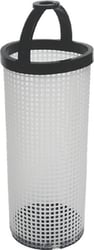
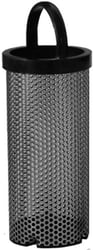
Groco BS-18 #304 Stainless Steel Replacement Filter Basket for VD-2500 Duplex Strainer
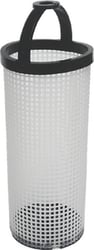
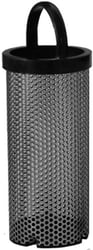
Groco BS12 Replacement Filter Basket #304 Stainless Steel 3.1" x 11.9" for ARG-3015 Strainer
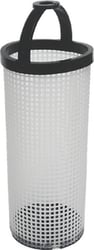
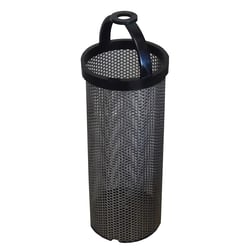
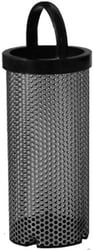
Groco BS15 Stainless Steel Replacement Filter Basket for ARG-3000 Raw Water Strainers


What Are Pump Strainers and Why Do You Need One?
A pump strainer is one of the most important—and most overlooked—components in any RV or marine plumbing system. Installed on the inlet side of a water pump, between the freshwater tank and the pump itself, a strainer acts as a first line of defense against the debris, sediment, rust, and fine particles that naturally accumulate in tanks and water lines. Without a strainer, even a small fragment of grit can score a pump's internal diaphragm or jam its check valves, leading to pressure loss, erratic flow, and eventual pump failure.
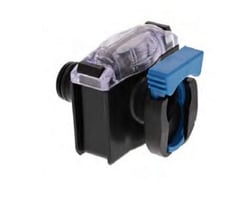
Think of it as a gatekeeper: it intercepts the particles that your tank gives up over time—including manufacturing debris that can shed from freshwater tanks for years after installation—before they ever reach the pump's sensitive internals. A clear, transparent housing on most modern strainers means a quick visual check is all it takes to know when cleaning is due, and most designs disassemble in seconds for routine maintenance.
RV vs. Marine Applications
Pump strainers serve the same fundamental purpose whether you're on a boat or in a motorhome, but the demands of each environment differ. In a marine context, pump strainers must contend with saltwater exposure, high humidity, and constant vibration. In an RV, the strainer faces road vibration, temperature extremes, and varied water-source quality across different campsites. Marine-grade strainers built with higher-quality UV-resistant plastics and robust O-ring seals translate well to RV use, offering durability that standard hardware-store components simply can't match.
Proper installation matters just as much as choosing the right part. Always mount the strainer on the inlet side of the pump—between the tank and the pump—and pay attention to the flow-direction arrow on the housing. A strainer installed backward, or one with a cracked housing, can introduce air into the line and cause the pump to lose its prime, which is just as problematic as having no strainer at all.
What to Look for When Shopping
- Port size and connection type: Match the strainer's barb or NPT thread size to your pump's inlet port—common sizes include 1/2", 5/8", and 3/4".
- Mesh fineness: Finer mesh catches smaller particles but requires more frequent cleaning; coarse mesh handles heavier debris with less restriction.
- Housing visibility: A transparent bowl lets you inspect the screen without disassembly.
- Material quality: Look for stainless steel mesh screens and UV-stabilized housings for long service life in marine or outdoor environments.
- Compatibility: Many pump manufacturers offer strainers engineered specifically for their pump models, ensuring a leak-free fit.
Top Brands in Pump Strainers
Jabsco is one of the most trusted names in marine and RV plumbing. Their PumpGard line of inline strainers features stainless steel mesh screens, transparent housings for quick inspection, and designs engineered to protect all electric diaphragm-type pumps. With options for both in-line and 90° configurations and compatibility with their own pump lineup, Jabsco strainers are a natural upgrade for anyone running a Jabsco pressure water system.
Whale Water Systems brings decades of marine and RV water system expertise to their strainer lineup. Their freshwater pump inline strainers feature stainless steel internal gauze and transparent screw-top designs engineered to pair seamlessly with Whale's Universal and Automatic freshwater pressure pumps, making them the go-to replacement choice for existing Whale installations.
Flojet / ITT is well known in the RV community for their diaphragm pumps, and their companion strainers are designed for a hassle-free quick-connect fit directly to their pump inlets. A Flojet strainer is a popular, easy-to-install first upgrade for RV owners looking to protect their freshwater pump with minimal plumbing work.