



Rainwear & Foul Weather Gear
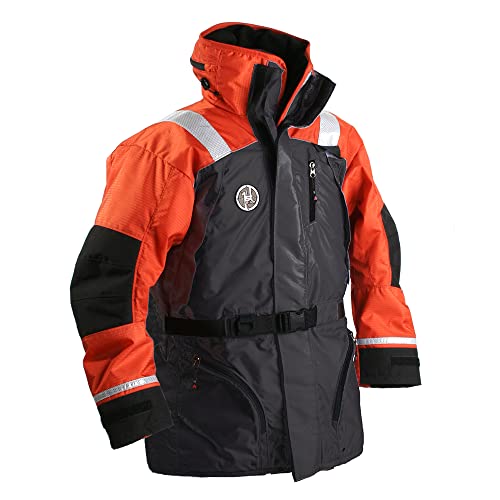 Representative Photo, actual item may vary

Why Foul Weather Gear Matters on the Water
Any seasoned boater will tell you: the sea doesn't wait for perfect conditions. Whether you're offshore sailing, sport fishing, or cruising coastal waterways, unexpected squalls and relentless spray are simply part of life on the water. Foul weather gear — also called rainwear or foulies — is your first and most critical line of defense against the elements. Unlike a standard rain jacket, purpose-built marine rainwear is engineered to handle everything the marine environment can throw at it: salt spray, wave wash, howling wind, and hours of sustained rain.
At its core, marine foul weather gear has one defining mission: keep water out while letting moisture from your body escape. As experts in the field note, foul weather gear must protect against rain and spray while also offering ventilation, freedom of movement, and the ability to withstand rough nonskid deck surfaces, marine chemicals, and salt exposure. That's a far more demanding brief than everyday outerwear.
Key Features to Look For
Shopping for rainwear and foul weather gear requires understanding a few critical specs. The most important distinction is between breathable and non-breathable constructions. Breathable fabrics — typically multi-layer laminates using microporous membranes — allow sweat vapor to escape while blocking external water. Non-breathable PVC gear, on the other hand, is popular among anglers and commercial fishermen for its slick, easy-to-clean exterior and proven waterproof durability.
- Seam construction: Fully taped seams are essential for offshore use; they prevent water infiltration at stitch lines — a common failure point in lesser gear.
- Waterproof zippers with storm flaps: Corrosion-resistant, heavy-duty zippers keep water out even under sustained spray pressure.
- Hood and collar systems: Adjustable hoods, drawcord closures, and high collars seal out spray without restricting your field of vision.
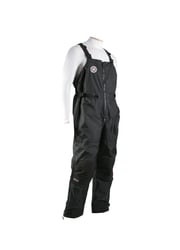
- Bibs vs. pants: Many experienced mariners prefer bib-style bottoms over pants because they provide better coverage and prevent water from running down inside the waistband.
- Visibility: High-visibility colors and retro-reflective tape on hoods, shoulders, and sleeves are important safety features — especially if there's any chance of going overboard.
- Layering compatibility: Good foul weather gear should be cut generously enough to accommodate insulating mid-layers and base layers for cold-water passages.
Matching Gear to Your Boating Style
Not all foul weather gear is created equal, and the right choice depends heavily on how and where you boat. Offshore sailors braving extended passages need the most robust protection: heavy-duty multi-layer fabrics, reinforced knees and seats, and full storm hoods. Coastal and inshore boaters can often get by with medium-weight breathable gear that offers excellent protection at a lower profile. Anglers frequently gravitate toward PVC jackets and bibs that shrug off fish blood and brine with a simple rinse. Day-boaters and recreational cruisers may prefer lightweight, packable rain jackets that stow easily until needed.
Top Brands in Rainwear & Foul Weather Gear
When it comes to marine-ready rainwear, 100% brings a performance-focused approach to foul weather protection — offering waterproof designs that prioritize both coverage and comfort for active boaters who refuse to let the weather dictate their time on the water.