



Seastar Solutions Rotary Steering
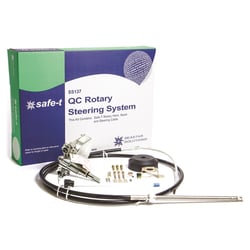

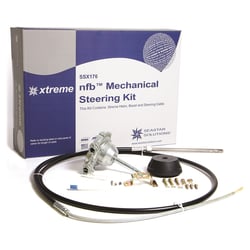
Seastar Solutions SSX17620 Xtreme NFB 20ft Single Cable Mechanical Steering Kit
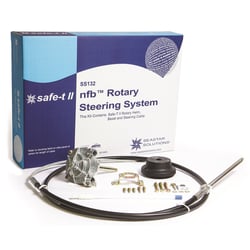
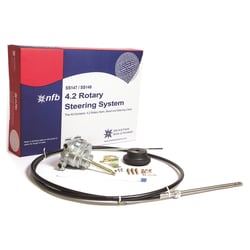
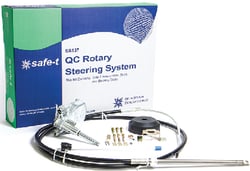

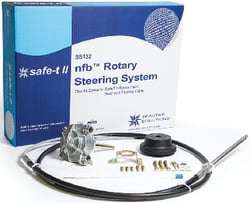
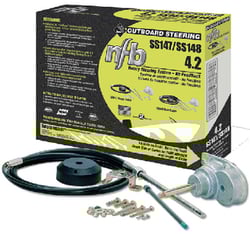
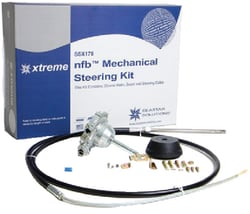
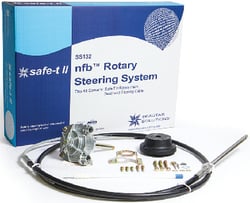
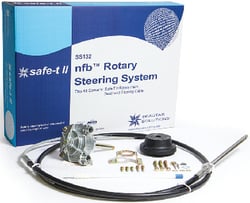
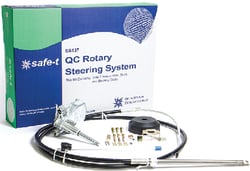
What Is a Marine Rotary Steering System?
A rotary steering system is the backbone of mechanical boat control, translating every turn of the helm wheel into precise directional movement at the engine or rudder. Rotary steering works by using a gear-and-cable mechanism at the helm: as the wheel turns, a rotary gear drives a push-pull cable that pivots the outboard motor or sterndrive in the desired direction. The result is a direct, responsive connection between the helmsman's input and the boat's heading.
Compared to rack-and-pinion systems, rotary helms are notably compact. Their round gear design allows the steering cable to exit in multiple directions — port, starboard, or straight down — making them an ideal fit for smaller consoles and tighter dashboard layouts where space is at a premium.
Standard vs. No-Feedback (NFB) Rotary Steering
One of the most important distinctions within this category is between standard rotary systems and No-Feedback (NFB) rotary systems. In a standard setup, propeller torque and water resistance are transmitted back through the cable to the steering wheel, requiring continuous effort from the operator to hold a straight course — especially at speed. NFB systems address this by incorporating an internal mechanism that locks out torque feedback, preventing the steering loads generated by the rotating propeller from reaching the helm. The difference in on-water comfort and safety can be dramatic, particularly for outboard-powered boats running moderate to high horsepower engines.
NFB rotary systems are recommended for bass boats, center consoles, runabouts, and ski boats where the driver benefits from a wheel that holds its position without constant correction. However, it is important to note that NFB systems are not designed for dual-station, power-assisted, or autopilot applications, and dual-cable or hydraulic systems are generally advised for boats that regularly exceed 50 MPH.
Key Components of a Rotary Steering System
A complete rotary steering setup typically includes several components that work in concert:
- Rotary Helm Unit: The heart of the system, mounted at the dashboard. The helm houses the internal gear mechanism that converts wheel rotation into cable movement.
- Steering Cable: A push-pull cable that transmits force from the helm to the engine's tiller arm. Cable length must be matched to the boat's layout, and stainless steel output ends resist the harsh marine environment.
- Bezel and Hardware: Trim pieces and mounting hardware that secure the helm to the console and ensure a watertight, professional finish.
- Steering Wheel: Typically sold separately, mounts to a standard 3/4" tapered shaft on the helm unit.
Choosing the Right Rotary Steering System
Selecting the correct system depends on a few key factors. Engine horsepower is critical — rotary mechanical systems are well-suited for single-engine applications with moderate horsepower, while very high-powered setups benefit from hydraulic steering. Boat length also plays a role; most rotary kits are designed for vessels up to approximately 24 feet. Finally, consider whether your application requires an NFB design for reduced operator fatigue, and always verify that the system you select meets ABYC safety standards and NMMA certification requirements for your specific boat type.
Rotary steering systems are valued for their straightforward installation, minimal maintenance requirements, and proven reliability across a wide range of recreational powerboats. Whether you are replacing an aging helm on a family runabout or upgrading a fishing boat's control system, a quality rotary steering kit delivers the responsive, confidence-inspiring handling every boater depends on.