



Rotary Steering




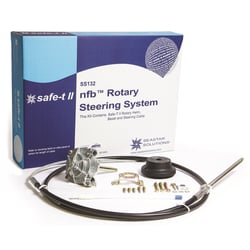


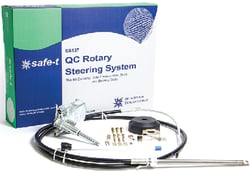

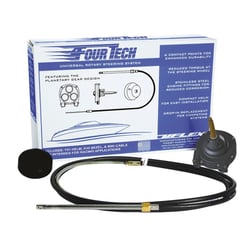


Uflex FOURTECHBLK07 Fourtech 7ft Black Mach Rotary Steering System with Helm, Bezel & Cable

Uflex FOURTECH18 ZTF 18-Foot ZTF Mach Rotary Steering System with Zero Torque Feedback Helm
Uflex FOURTECH17 ZTF 17-Foot Zero Torque Feedback Mach Rotary Steering System
Uflex FOURTECH16 ZTF 16 Ft Mach Rotary Steering System with Zero Torque Feedback Helm

Uflex FOURTECH14 ZTF Mach Rotary Steering System with Zero Torque Feedback Helm 14 Ft Cable

Uflex FOURTECH12 ZTF Zero Torque Feedback Marine Rotary Steering System 12 Ft
Uflex FOURTECH10 ZTF 10-Foot Zero Torque Feedback Rotary Steering System
 Representative Photo, actual item may vary
Rotary steering is one of the most common ways to steer a recreational powerboat. A rotary system turns the rotation of your steering wheel into linear push-and-pull motion in a cable, which moves the outboard, sterndrive or rudder. It is a mechanical design with no pumps, fluid or hoses to bleed, which is why it appears on so many single-station boats, from small fishing skiffs to pontoon boats and ski boats.
What Makes Up a Rotary Steering System
A typical rotary system has three core parts: a helm mounted behind the dash, a bezel that finishes the dash opening, and a steering cable that runs to the engine. The helm contains the gear set that translates wheel rotation into cable travel. Most use a standard 3/4-inch tapered shaft to accept the steering wheel. Many manufacturers sell these parts individually or as complete kits. A kit is convenient for a full refit, while a replacement helm or cable restores a worn system.
Why It Matters
Steering is a critical safety system. A cable that has corroded, stiffened or developed excess lost motion can make a boat vague, heavy or unpredictable at the helm. Quality rotary components are built with corrosion-resistant materials such as stainless steel fittings. Look for products that meet recognized industry standards, such as ABYC requirements. Upgrading an aging helm and cable can noticeably improve steering feel, especially on boats repowered with modern four-stroke outboards that generate more steering torque.
Key Considerations When Shopping
- Cable length: Measure the full route from helm to engine, allowing for bends and the engine tilt tube, then round up to the next whole foot.
- Helm style: Standard helms transmit engine torque back to the wheel. No-feedback or zero-torque-feedback designs use a clutch or lock-out mechanism to reduce that effort, which suits outboards and other applications with moderate torque loads.
- Compatibility: Cables, helms and bezels are often matched within a product family, so confirm that the parts work together before ordering.
- Boat and engine limits: Mechanical systems should not be used with engines exceeding the boat's maximum horsepower rating, and hydraulic steering is generally recommended for boats that run faster than about 50 mph.
- Single or dual station: Many rotary kits are intended for single-station boats only.
Top Brands in Rotary Steering
Uflex is well known for its planetary gear helm design, which uses multiple satellite gears to spread steering loads and wear over a wider area. Its Rotech and Fourtech systems are packaged as helm, bezel and cable kits designed as drop-in replacements for competing rotary systems, and its zero-torque-feedback versions add a clutch to hold course hands-off.
SeaStar Solutions builds rotary helms and quick-connect cables, including the Safe-T QC line, which is designed to replace Safe-T helms made since 1968 with little to no dash modification. Its no-feedback helms are a popular upgrade for boats with higher steering loads.
Teleflex is a long-established name in marine steering, and many Teleflex-branded helms remain compatible with SeaStar SSC62-series cables. That makes it a practical starting point when you are maintaining or restoring an existing Teleflex-equipped boat.
Maintenance Tips
Inspect cables for kinks, corrosion or stiffness, and check that fittings and mounting hardware are secure. Replace a cable or helm at the first sign of binding or excessive play, since steering problems rarely improve on their own.